
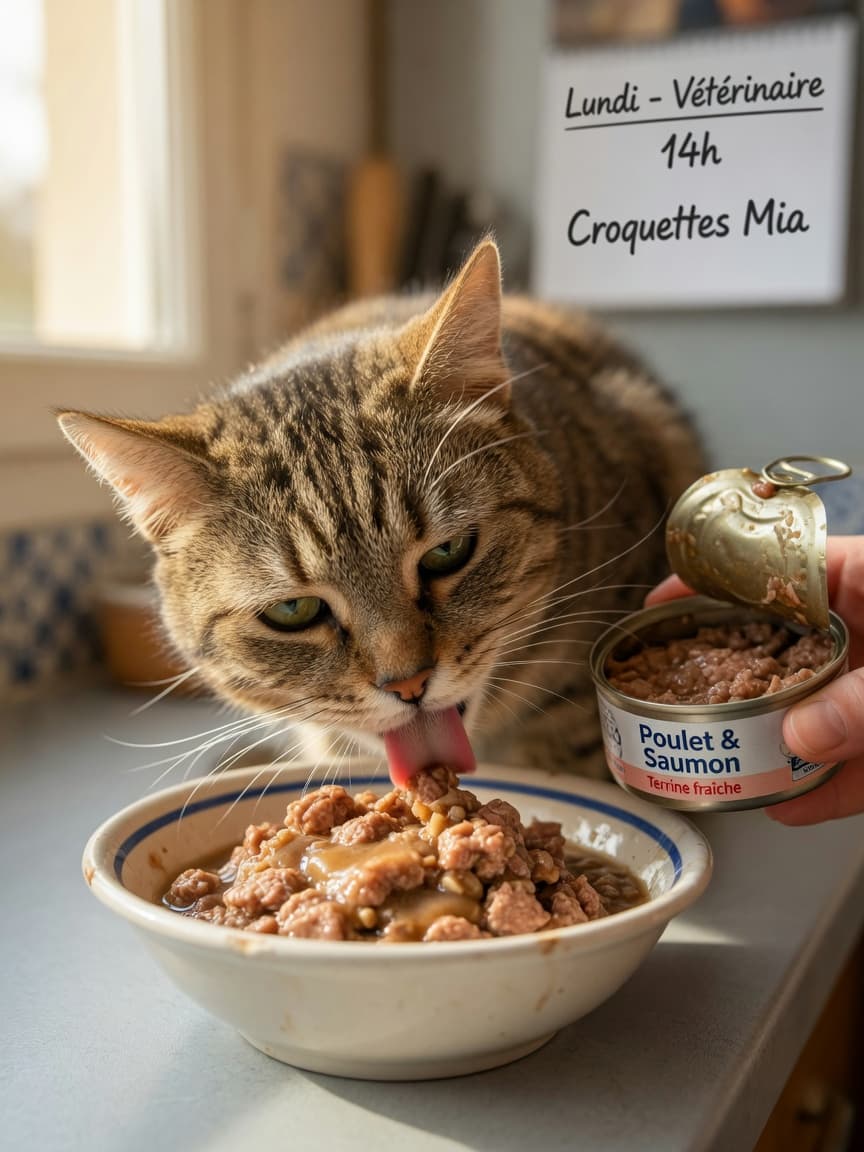
Feeding your cat the right amount of wet food is one of the most important decisions you'll make as a pet owner, yet it's surprisingly misunderstood. Many cat parents either overfeed or underfeed their feline companions, leading to weight problems or nutritional deficiencies. Whether you're transitioning to wet food, feeding a kitten, or managing a senior cat's diet, understanding portion sizes and your individual cat's needs is essential for maintaining optimal health and a healthy weight.
Daily Caloric Requirements for Cats
The foundation of proper feeding starts with understanding how many calories your cat actually needs each day. Unlike dogs, cats are obligate carnivores with specific metabolic requirements. A typical adult cat weighing 4-5 kilograms requires approximately 250-300 calories daily, though this varies based on age, activity level, and metabolism.
Kittens and pregnant or nursing cats require significantly more—roughly double the calories of an adult cat. Senior cats (over 10 years old) often need slightly fewer calories as their metabolism slows, though individual cats vary considerably.
Calculating Wet Food Portions
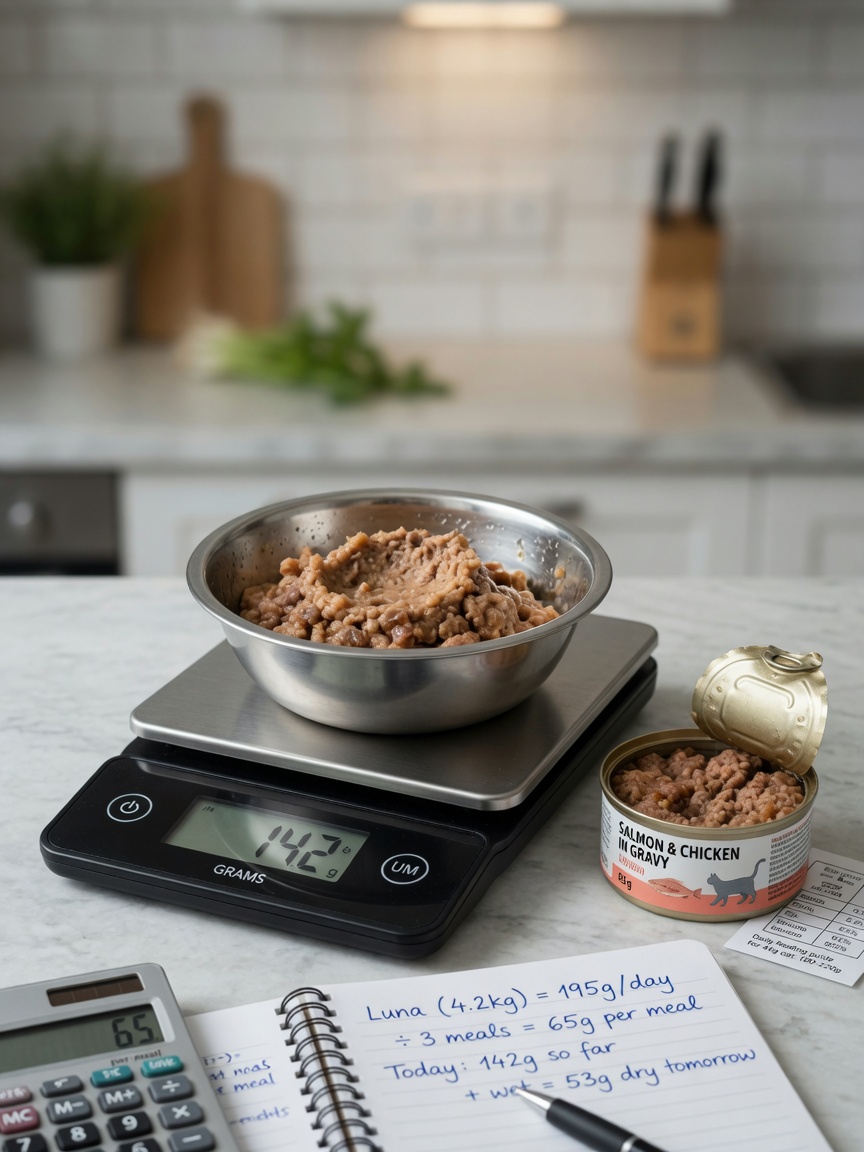
Most commercial wet cat foods contain between 70-100 calories per 100g. To determine your cat's daily wet food portion, divide their daily caloric requirement by the food's caloric content.
Example calculation:
- Your 4.5kg cat needs 280 calories daily
- Your chosen wet food provides 85 calories per 100g
- 280 ÷ 85 = approximately 330g of wet food daily
Always check your specific food's nutritional information on the tin or pouch, as this varies between manufacturers and product lines.
Feeding Schedule and Meal Frequency
How you divide daily portions matters for your cat's digestion and behaviour. The recommended approach depends on your cat's age:
- Kittens (8 weeks to 6 months): Feed 3-4 times daily in smaller portions
- Young adults (6 months to 7 years): Feed twice daily, dividing total daily amount equally
- Senior cats (7+ years): Feed twice daily, or more frequently if they prefer lighter meals
Splitting portions into two meals helps prevent digestive upset and keeps your cat's metabolism steady throughout the day. Many cats also find two meals psychologically satisfying.
Adjusting for Mixed Diets
If you're feeding both wet and dry food, you'll need to adjust portions accordingly. Dry food is more calorie-dense than wet food—typically containing 300-400 calories per 100g compared to wet food's 70-100 calories per 100g.
If feeding a 50/50 combination:
- Calculate total daily calories needed
- Allocate 50% to dry food and 50% to wet food
- Convert each into appropriate portions using the respective caloric density
Be cautious with mixed feeding, as it's easier to overfeed when combining food types. Many veterinary nutritionists recommend choosing one primary food type to simplify portion control.
Signs Your Cat Is Being Fed Correctly
The best indicator of proper feeding is your cat's body condition. A healthy cat should have:
- Visible waist when viewed from above
- Palpable ribs (you should feel them without pressing hard, but not see them prominently)
- A slight abdominal tuck when viewed from the side
- Consistent energy levels and alertness
- Healthy coat and skin condition
If your cat appears overweight or underweight, discuss portion adjustments with your veterinary surgeon before making changes.
Key Takeaways
Proper wet food portioning requires understanding your specific cat's caloric needs, checking nutritional information on their food, and adjusting based on age and activity level. Aim for twice-daily feeding for adult cats, monitor body condition regularly, and remember that individual cats vary significantly. When in doubt, your veterinary surgeon can provide personalised feeding recommendations based on your cat's unique health profile and life stage. Getting portions right isn't just about weight management—it's about ensuring your feline friend enjoys a long, healthy, and active life.