
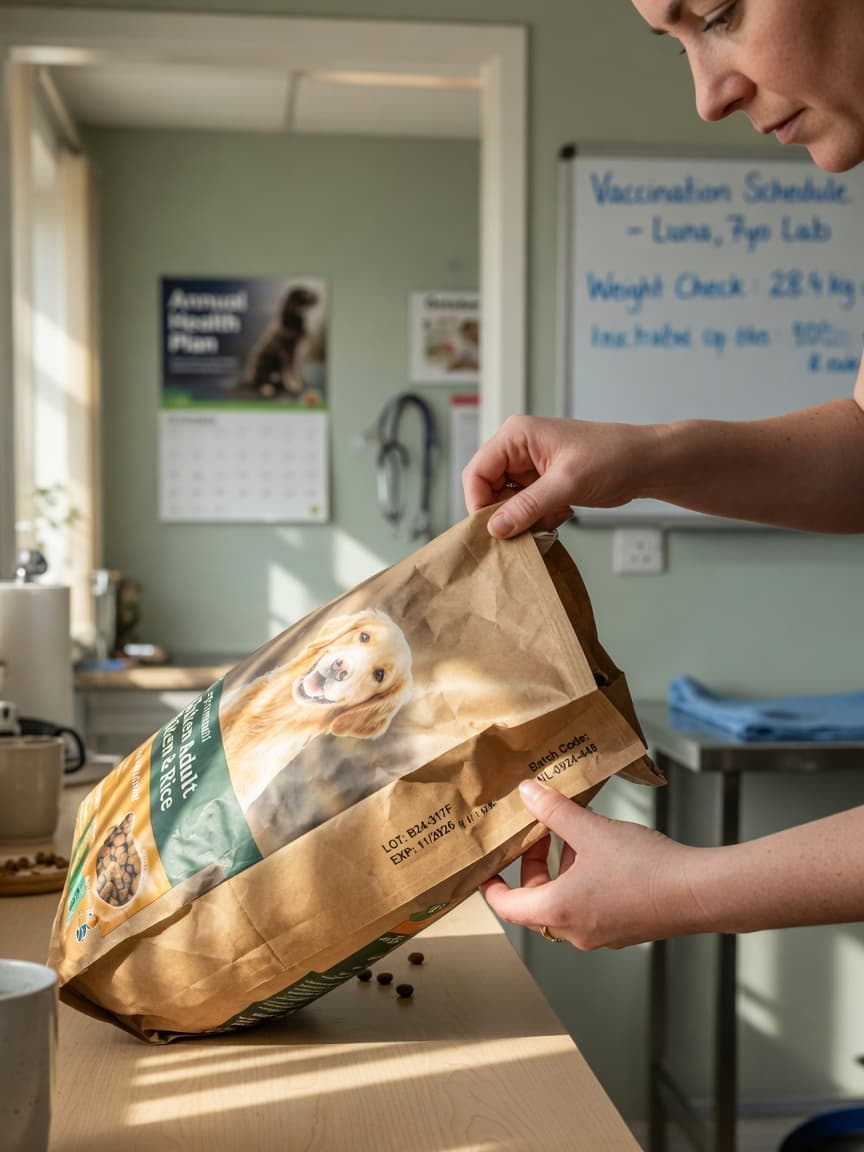
How Pet Food Recalls Work: What Happens When Food Is Contaminated
When a bag of dog kibble or a tin of cat food turns out to be dangerous, a complex chain of events gets triggered — one that involves manufacturers, government regulators, retailers, and ultimately you, the pet owner. Understanding how this process works can help you respond quickly and protect your animals when a recall affects a product sitting in your cupboard.
Who Oversees Pet Food Safety
In the United Kingdom, pet food is regulated primarily by the Food Standards Agency (FSA) alongside the Animal Feed Regulations 2010. The FSA coordinates with local authorities who carry out inspections and enforcement. In the United States, the Food and Drug Administration (FDA) Centre for Veterinary Medicine handles pet food oversight, and many recalls you will encounter online originate there, even if the products are also sold internationally.
Manufacturers are legally required to produce food that is safe and accurately labelled. When something goes wrong, the responsibility to act lies first with the company that made the product, though regulators can compel a recall if the company fails to do so voluntarily.
What Triggers a Recall
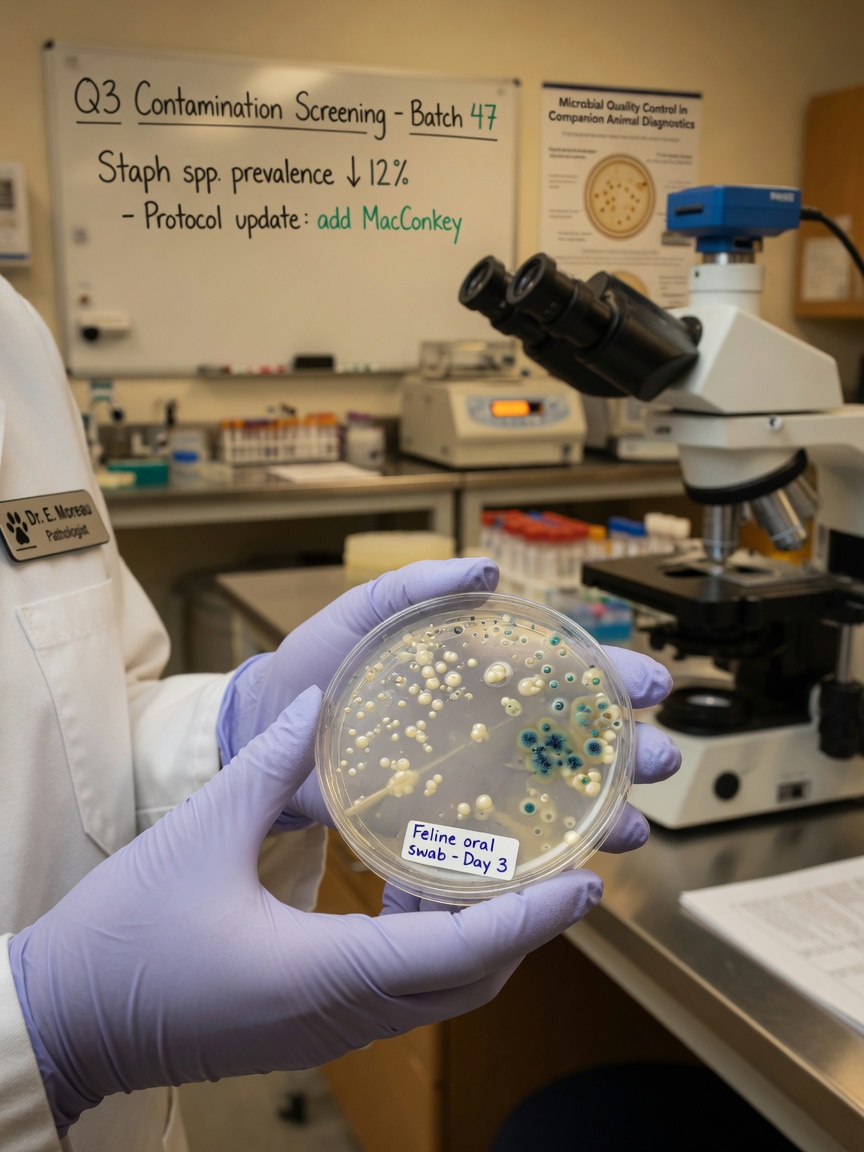
Recalls are initiated for a range of reasons, and not all carry the same level of risk. Common triggers include:
- Microbial contamination, such as Salmonella or Listeria
- Toxic substances including aflatoxins, a type of mould toxin
- Elevated levels of vitamins or minerals that become toxic in excess, such as Vitamin D
- Physical contaminants like metal fragments or plastic
- Undeclared allergens or incorrect labelling
- Reports of illness or death in animals consuming the product
The process can begin from several directions. A manufacturer may discover a problem through routine testing before any animals are harmed. A veterinarian may report a cluster of unexplained illnesses to a regulator. Pet owners may complain directly to the company or post on social media, prompting investigation. Occasionally, a supplier further up the ingredient chain discovers contamination and notifies the brands using their ingredients.
The Three Classes of Recall
In the United States, the FDA classifies recalls into three categories, and this framework is widely referenced even in international reporting. Class I is the most serious, covering situations where there is a reasonable probability of serious harm or death. Class II applies where adverse health effects are possible but unlikely to be serious. Class III covers cases where there is little chance of health consequences, such as minor labelling errors.
The UK system does not use identical terminology, but the FSA issues product withdrawal and recall notices and publishes food alerts that are broadly equivalent in purpose. The severity of the contamination determines how urgently notices are communicated and how far back through the supply chain investigations must reach.
What Happens After a Recall Is Announced
Once a recall is confirmed, the manufacturer is expected to notify retailers and distributors immediately so affected stock can be pulled from shelves. The FSA or FDA publishes a formal notice that includes the product name, batch codes, best before dates, and UPC or barcode information. Retailers with loyalty card data may be able to contact customers who purchased the product directly.
The manufacturer typically sets up a consumer helpline and announces return or refund procedures. Depending on the scale of the issue, press releases go to pet trade publications and national media. Regulatory agencies post updates on their websites and, in the UK, the FSA's food alert system sends email notifications to subscribers.
How to Check If Your Pet Food Is Affected
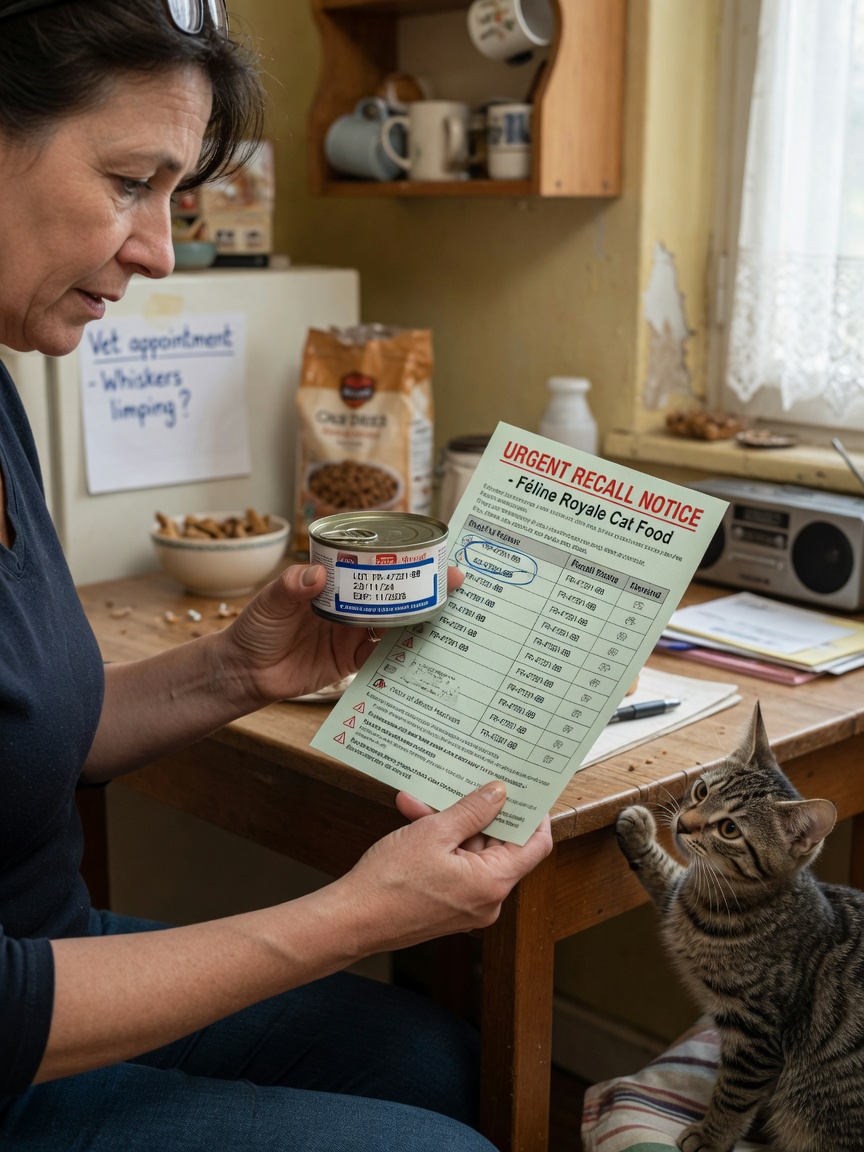
When you hear about a recall, do not simply check the brand name. Recalls are almost always batch-specific, meaning only certain production runs are implicated. You need to locate the batch code or lot number printed on the packaging — usually near the best before date or on the bottom of the bag or tin — and compare it against the information in the official recall notice.
If your product matches, stop feeding it immediately. Keep the packaging, as you will need it to claim a refund or replacement. Contact your vet if your pet has shown any unusual symptoms, even if you are not yet certain the food is the cause.
Staying Informed Before a Crisis Hits
The most effective thing you can do as a pet owner is set up proactive alerts rather than relying on news headlines to reach you. Subscribing to FSA food alerts at food.gov.uk means you receive notifications as soon as a product withdrawal is posted. For US recalls, the FDA's MedWatch system and the American Veterinary Medical Association's recall page both provide timely updates.
Several independent websites track pet food recalls across multiple countries and allow you to search by brand. These can be useful as a secondary source, though always verify information against official government notices before acting.
The Limits of the Recall System
Recalls have real weaknesses worth understanding. By the time a recall is announced, contaminated food may have been consumed for weeks or months. Detection depends on someone noticing a pattern of illness and linking it correctly to a food source — a process that takes time, especially when symptoms resemble other common conditions. Reporting rates for pet illness are low, which means mild or moderate harms from contaminated food may go undetected entirely.
Additionally, not all pet food is sold through traceable retail channels. Food purchased at markets, small independent shops, or online from overseas sellers may not be subject to the same recall infrastructure.
What the Evidence Tells Us About Frequency
Pet food recalls are not rare events. The FDA records dozens of recalls every year in the United States alone, and while many involve niche or regional brands, major manufacturers have been implicated in significant events. In 2007, contamination of wheat gluten with melamine from Chinese suppliers caused widespread kidney failure in cats and dogs across North America, resulting in thousands of deaths and one of the largest pet food recalls in history. That event fundamentally changed how ingredient sourcing and testing are discussed within the industry.
Knowing how the system works does not make recalls less alarming, but it does put you in a better position to act when they happen. Check batch codes, subscribe to alerts, and trust your vet if something seems wrong.