
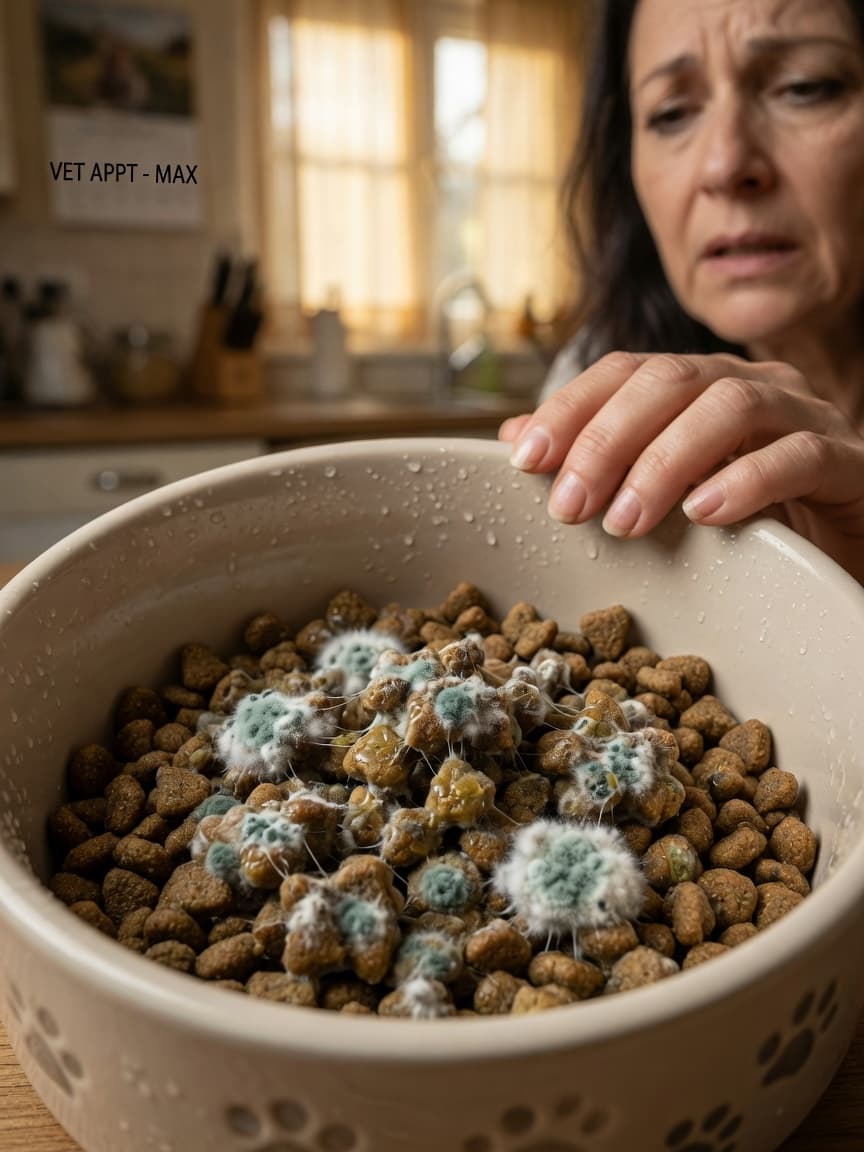
Finding mold in your dog's food is every responsible pet owner's nightmare. Not only is it unsightly, but mouldy dog food can pose serious health risks to your beloved companion, ranging from digestive upset to potentially dangerous mycotoxin exposure. As a certified animal nutritionist, I've seen countless cases where mould contamination went unnoticed until pets developed health problems. This comprehensive guide will help you identify mould in dog food and implement effective prevention strategies to keep your furry friend safe.
What Does Mould on Dog Food Actually Look Like?
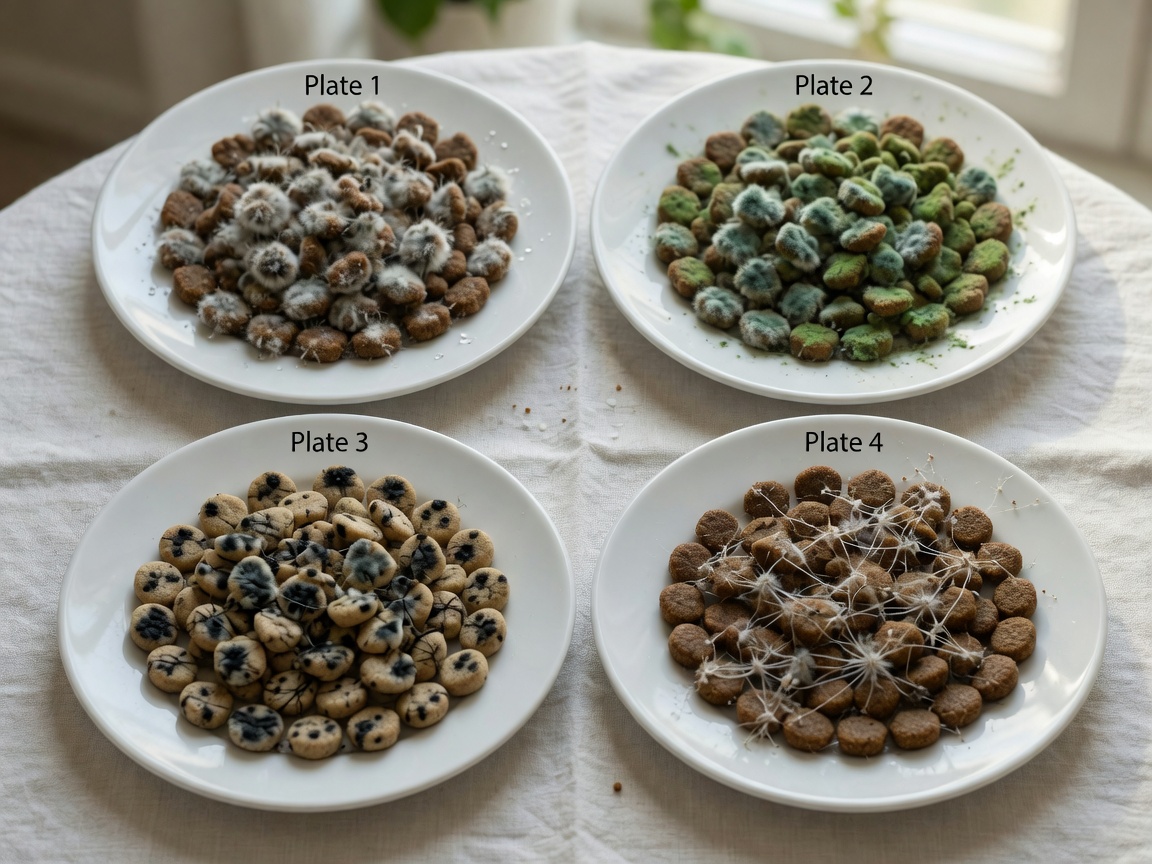
Mould in dog food manifests in several distinctive ways, depending on the type and extent of contamination. Here's what to look for:
- Visual appearance: Mould typically appears as fuzzy growth, ranging from white or grey to green, black, or blue-tinged spots on kibble or wet food surfaces
- Texture changes: You might notice slimy coating, clumping together of kibble, or an unusual sticky residue on food particles
- Discolouration: Dark spots, streaks, or patches that differ significantly from the food's normal colour
- Unusual odour: A musty, earthy smell—sometimes described as basement-like—is a telltale sign of mould presence
- Visible webbing: In severe cases, you may see fine web-like structures connecting food particles
Interestingly, not all mould is visible to the naked eye. Some contamination occurs at the microscopic level, which is why prevention is absolutely crucial.
Common Causes of Mould Growth in Dog Food
Understanding how mould develops in your dog's food is the first step toward prevention. Several factors contribute to mould growth:
- Moisture exposure: The primary culprit. Humidity, condensation, and water contact create ideal conditions for mould spores to flourish
- Poor storage conditions: Warm, damp environments (above 16°C and 65% humidity) accelerate mould development dramatically
- Opened containers: Once a food bag or tin is opened, contamination risk increases significantly
- Manufacturing issues: Occasionally, mould contamination occurs during production, though reputable manufacturers maintain strict quality controls
- Inadequate ventilation: Storage areas with poor air circulation trap moisture around food containers
Health Risks Associated with Mouldy Dog Food
Feeding your dog mouldy food isn't simply unpleasant—it carries genuine health consequences. Mould produces mycotoxins, which are toxic compounds that can damage your dog's organs and immune system. Potential health issues include:
- Vomiting and diarrhoea
- Loss of appetite
- Lethargy and weakness
- Neurological symptoms in severe cases
- Liver and kidney damage with prolonged exposure
- Immunosuppression, increasing susceptibility to infections
If you suspect your dog has consumed mouldy food, contact your veterinary surgeon immediately, especially if your pet shows any of these symptoms.
Practical Prevention Tips for Keeping Dog Food Fresh
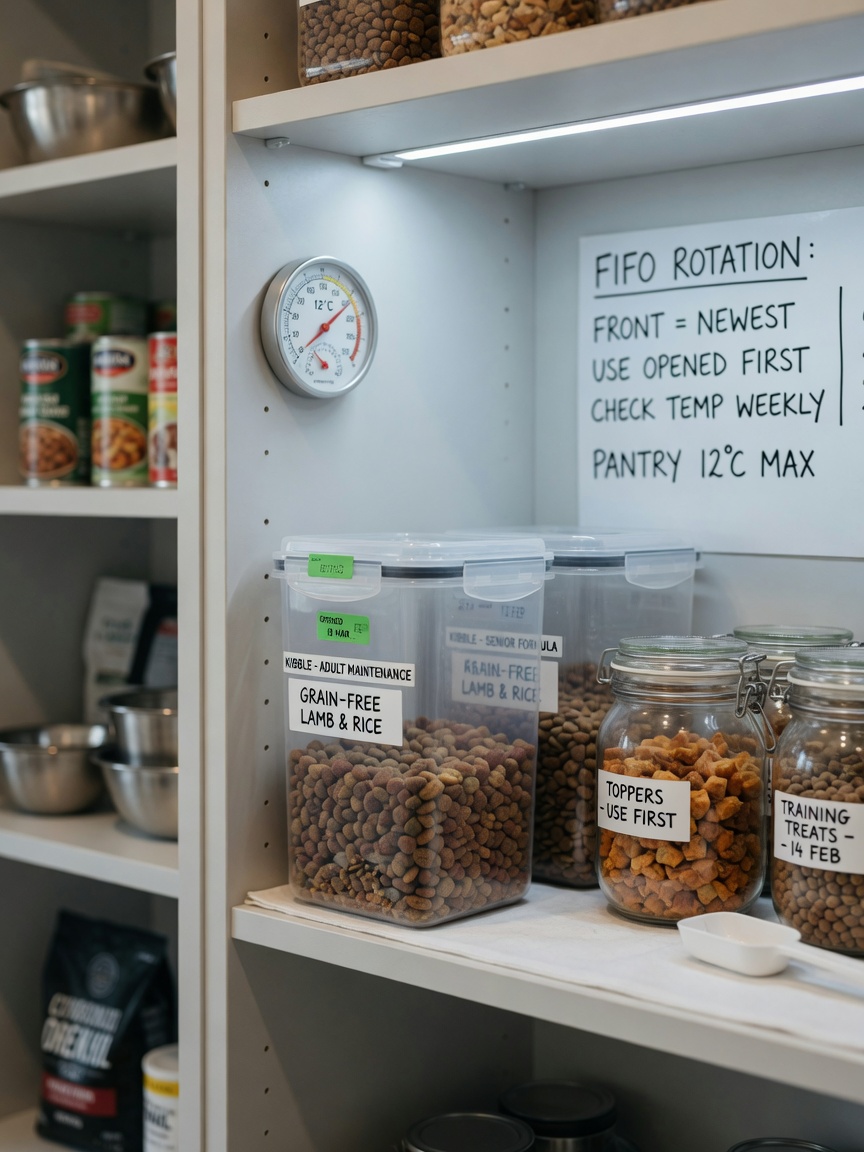
Prevention is far easier than managing health complications from mould exposure. Implement these evidence-based storage strategies:
- Choose airtight containers: Transfer kibble from bags into sealed plastic or glass containers with secure lids. This is more effective than leaving bags open or partially sealed
- Store in cool, dry locations: Select a cupboard or pantry away from kitchen humidity, ideally between 10-16°C
- Keep away from direct sunlight: UV exposure can degrade nutrients and encourage mould growth
- Avoid the bathroom or laundry areas: These high-humidity zones are mould hotspots
- Rotate stock properly: Use older food first (FIFO method) to prevent long-term storage
- Check expiry dates: Purchase food within appropriate timeframes and check best-before dates before each feeding
- Inspect regularly: Examine food weekly for any visual changes or unusual odours
- Keep water separate: Never store wet food containers near dry kibble, as moisture spreads easily
What to Do If You Find Mould in Your Dog's Food
If you discover mould, take these immediate steps:
- Stop feeding the contaminated food immediately
- Dispose of the food properly (sealed bin, not composting)
- Thoroughly clean and dry the storage container
- Monitor your dog closely for any symptoms over the following week
- Contact your veterinary surgeon if your dog shows signs of illness
- Consider contacting the food manufacturer with batch details—they may investigate quality issues
Key Takeaways: Protecting Your Dog's Food Safety
Mould contamination in dog food is preventable through proper storage and regular inspection. By maintaining cool, dry storage conditions, using airtight containers, and checking food regularly, you'll significantly reduce contamination risks. Remember: when in doubt, throw it out. Your dog's health is worth the cost of replacing questionable food. Stay vigilant, stay proactive, and your furry friend will continue enjoying safe, nutritious meals.