
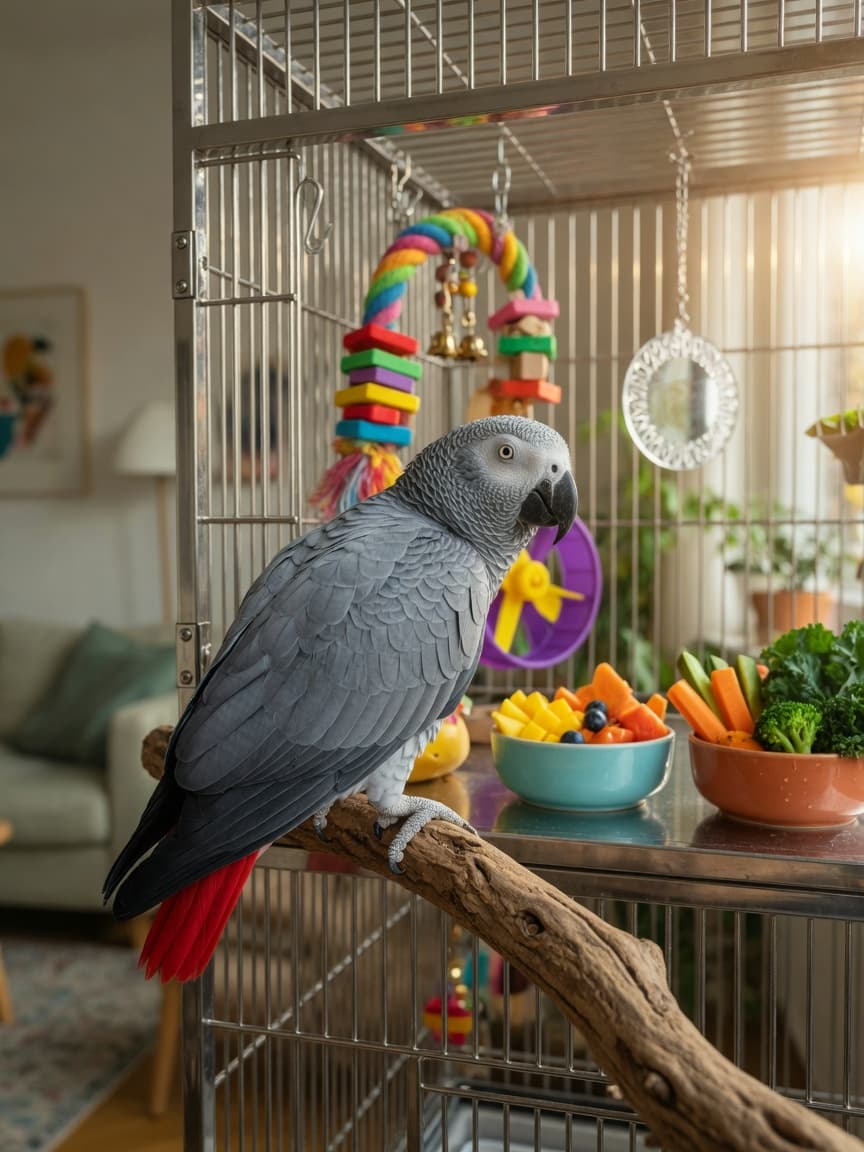
Bringing a feathered friend into your home is a rewarding experience, but many prospective bird owners are surprised by the financial commitment involved. Whether you're considering a small budgerigar or a majestic macaw, understanding the true cost of bird ownership—from initial purchase through daily care—is essential for making an informed decision. This comprehensive guide breaks down every expense you'll encounter, helping you budget effectively and ensure your avian companion receives the best possible care throughout their life.
Initial Purchase Costs
The price of your pet bird varies dramatically depending on the species. Small birds like budgies, canaries, and finches typically cost between £15 and £50, making them accessible entry points into bird ownership. Cockatiels range from £75 to £200, whilst larger parrots such as African Grey parrots or macaws can cost anywhere from £500 to over £5,000. Rescue birds are often significantly cheaper and come with the added benefit of supporting animal welfare.
Beyond the bird itself, you'll need to invest in initial setup costs before bringing your new pet home:
- Cage or aviary: £100–£1,500+ depending on size and species requirements
- Perches, toys, and enrichment items: £50–£200
- Food and water bowls: £15–£40
- Initial food supply: £20–£50
- Cleaning supplies: £15–£30
Housing Requirements
A proper cage is non-negotiable for your bird's wellbeing. Size matters considerably—your bird needs enough space to stretch their wings fully and move comfortably. Small birds require a minimum of 18 x 18 x 18 inches, whilst larger parrots need significantly more space, sometimes 40 x 40 inches or larger.
Quality matters as much as size. Stainless steel or powder-coated cages last longer than cheaper alternatives and resist rust. Budget for regular cage upgrades or maintenance, costing approximately £5–£15 monthly for cleaning supplies and repairs. Many bird enthusiasts eventually invest in larger aviaries, particularly for long-lived species, which can represent a significant additional expense over time.
Daily Food and Nutrition Costs
Feeding your bird properly is one of the largest ongoing expenses. A high-quality pellet-based diet forms the foundation, supplemented with fresh fruits, vegetables, and occasional treats. Monthly food costs typically range from:
- Small birds (budgies, canaries): £8–£15 monthly
- Medium birds (cockatiels, conures): £15–£30 monthly
- Large parrots (African Greys, macaws): £30–£60 monthly
Premium organic or species-specific diets cost more but often result in healthier birds with fewer veterinary issues. Fresh produce should account for roughly 20–30% of your bird's diet, adding approximately £10–£25 monthly depending on seasonal availability.
Veterinary Care and Health Expenses
Avian veterinary care is specialised and typically more expensive than standard pet care. Annual check-ups cost £50–£150, whilst emergency consultations can exceed £200. Birds often hide illness until conditions become serious, making preventative care crucial.
Budget for unexpected health issues, which might include:
- Dietary deficiencies or nutritional imbalances
- Respiratory infections or fungal conditions
- Behavioural problems requiring specialist consultation
- Injuries from accidents or territorial disputes
Pet insurance for birds remains limited in the UK, so maintaining an emergency fund of at least £500–£1,000 is wise, particularly for long-lived species that may live 20–80 years depending on type.
Enrichment and Accessories
Birds are intelligent, social creatures requiring mental stimulation. Toys, foraging materials, and enrichment activities prevent boredom-related behavioural problems. Expect to spend £10–£30 monthly on toys and accessories, replacing items regularly as birds destroy them through normal use.
Long-term Cost Summary
Your total annual bird care costs break down approximately as follows:
- Food and treats: £100–£720 annually
- Cage maintenance and supplies: £60–£180 annually
- Veterinary care and emergencies: £50–£500+ annually
- Toys and enrichment: £120–£360 annually
Total estimated annual costs: £330–£1,760+ depending on species and care level.
Key Takeaways for Budding Bird Owners
Bird ownership is a long-term financial commitment requiring careful planning. Small birds represent a modest investment, whilst larger parrots require substantial resources over decades. Before welcoming a feathered friend, ensure you can comfortably afford quality housing, nutrition, and veterinary care. Consider adoption from rescues to reduce initial costs whilst supporting animal welfare. Remember that investing in proper care now prevents expensive health problems later, making your bird's life healthier and happier—and your ownership experience far more enjoyable.