
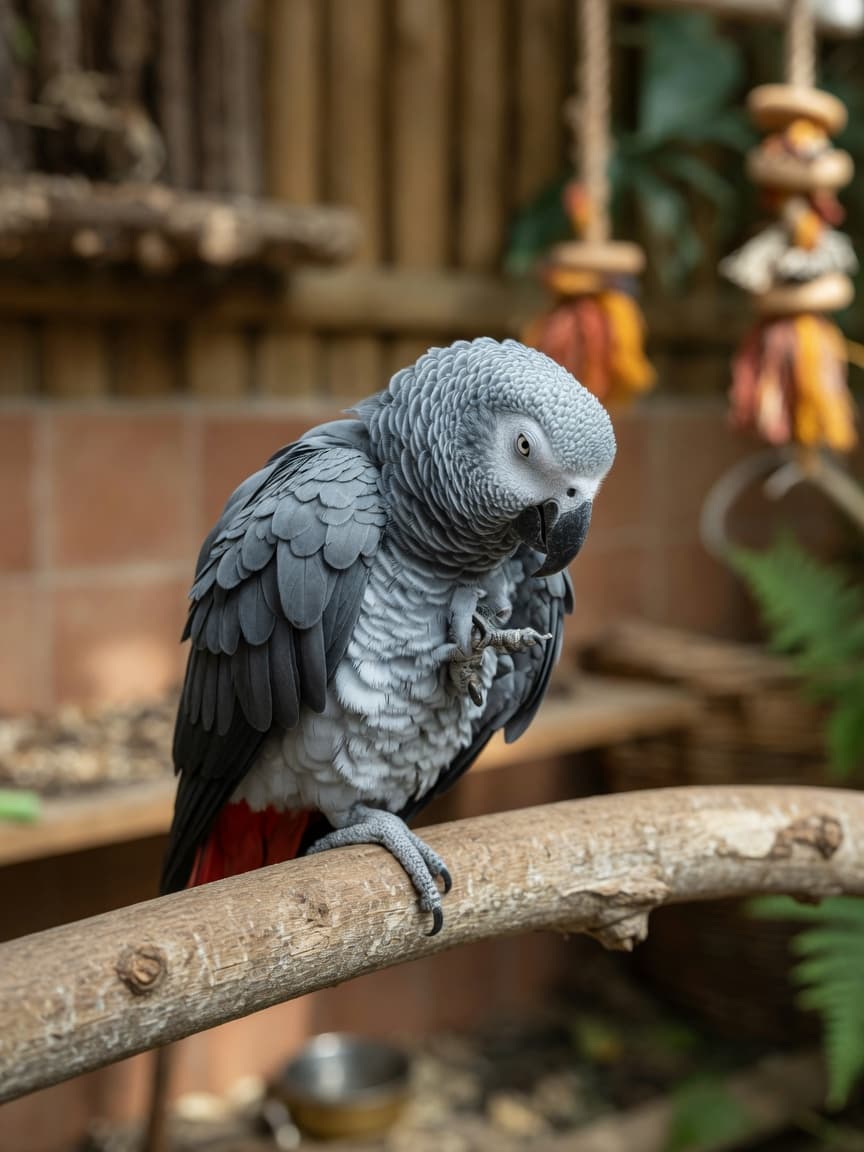
Many bird owners notice their feathered companions becoming withdrawn, quiet, or lethargic at times, and wonder if their pet is simply having a bad day or experiencing something more serious. The truth is that pet birds can indeed experience depression-like symptoms, though understanding what causes these behaviours and how to help is crucial for any responsible avian owner. Unlike humans, birds cannot articulate their emotional state verbally, but they communicate their wellbeing through observable behavioural changes that deserve our attention.
Understanding Avian Mental Health
Birds are remarkably intelligent creatures with complex emotional and social needs. Research in avian behaviour has demonstrated that birds possess areas of the brain responsible for emotional processing, and they exhibit clear signs of psychological distress when their needs aren't met. Depression in birds isn't a medical diagnosis in the traditional sense, but rather a cluster of behavioural and physical signs indicating emotional or psychological distress.
It's important to recognise that what we observe as "depression" in birds often reflects their natural responses to inadequate environmental conditions, lack of social interaction, or significant life changes.
Common Signs of Depression in Pet Birds
If you're concerned about your bird's mental state, watch for these key indicators:
- Decreased vocalisations: A normally chatty bird becoming unusually quiet
- Loss of appetite: Eating significantly less than usual or refusing favourite foods
- Reduced activity: Spending excessive time perched without playing or exploring
- Feather plucking: Self-destructive behaviour ranging from mild to severe
- Social withdrawal: Avoiding interaction with owners or other birds
- Sleep disturbances: Sleeping excessively or at unusual times
- Aggression: Sudden behavioural changes, including biting or screaming
- Regurgitation issues: Abnormal regurgitation not related to nesting behaviour
Common Causes of Depression in Birds
Understanding the root cause is essential for helping your bird recover. The most frequent triggers include:
- Inadequate socialisation: Birds are flock animals and require daily interaction and mental stimulation
- Environmental boredom: Small, unstimulating cages without toys or variation
- Isolation: Being the only bird in the household without adequate human companionship
- Loss and grief: The death of a bonded companion or significant life changes
- Poor diet: Nutritional deficiencies affecting physical and mental health
- Inconsistent routine: Unpredictable feeding times, sleep schedules, or owner availability
- Health issues: Underlying medical conditions causing discomfort or pain
- Territorial frustration: Sexual frustration or lack of appropriate outlets for natural behaviours
Creating a Mentally Healthy Environment
Prevention is far easier than treating depression. Invest in your bird's psychological wellbeing by providing:
- A spacious cage with room for flight and exercise
- Varied toys rotated regularly to maintain interest
- Daily out-of-cage time for flying and exploration
- Consistent social interaction with family members
- A balanced diet rich in fruits, vegetables, and quality pellets
- Predictable daily routines for feeding and sleep
- Access to natural light or appropriate artificial lighting
- Mental enrichment through foraging activities and puzzle toys
When to Consult a Veterinary Professional
If you notice persistent signs of depression lasting more than a few days, consult an avian veterinarian promptly. Conditions such as nutritional deficiencies, infections, or hormonal imbalances can mimic depression symptoms. A thorough health assessment is essential to rule out medical causes before addressing behavioural or environmental factors.
Key Takeaways
Pet birds absolutely can experience depression-like states when their complex needs aren't adequately met. By recognising the signs early, addressing underlying causes, and providing enriching environments with consistent social interaction, you can help your feathered friend thrive emotionally and physically. Remember, your bird's happiness depends largely on the care, attention, and thought you invest in their daily life. When in doubt, always consult with an avian veterinarian to ensure your beloved companion receives appropriate support.
```