
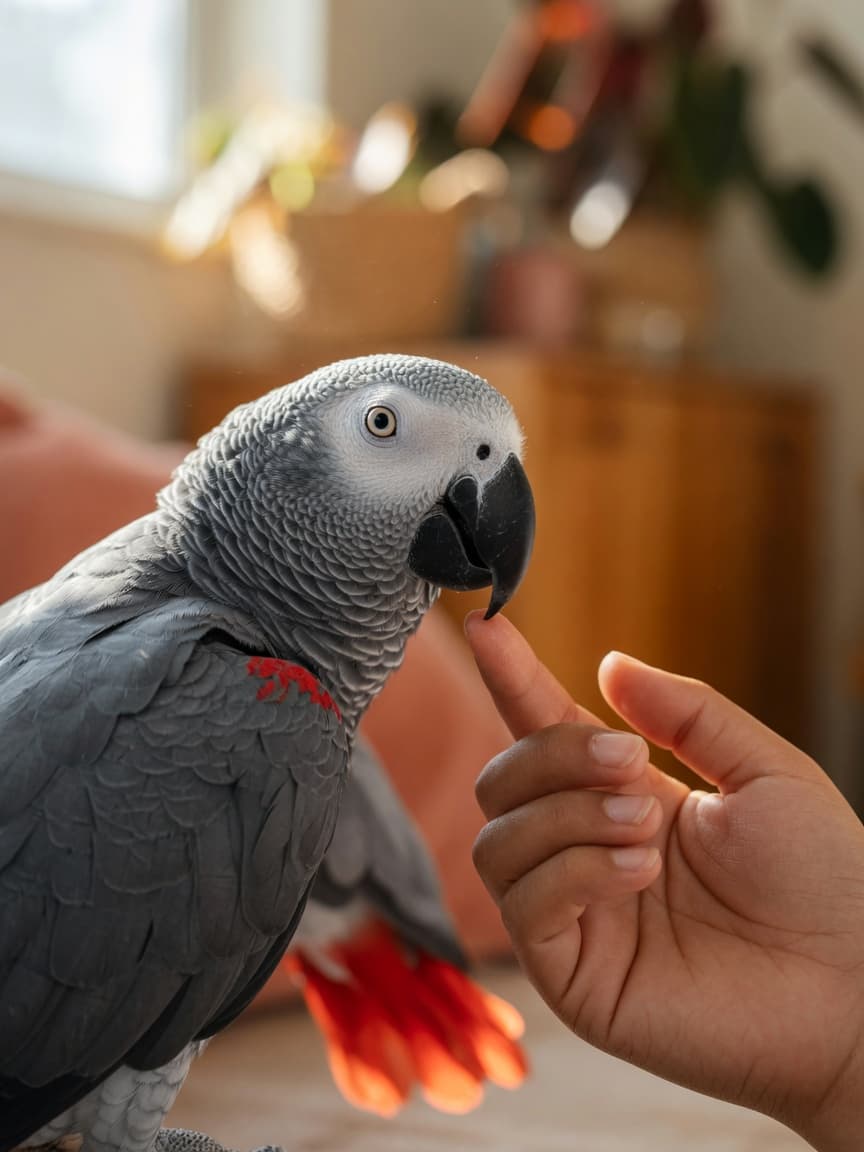
If you're a bird owner, you've likely experienced that sharp pinch from your feathered companion's beak. Whether it's a gentle nibble during cuddle time or a more aggressive bite, understanding why your bird beaks you is essential for building a trusting relationship and keeping both you and your pet safe. Bird beaking is a common behaviour that's often misunderstood, and learning to interpret what your bird is communicating can transform your interactions from frustrating to genuinely enjoyable.
Understanding the Difference Between Beaking and Biting
Before we explore the reasons behind these behaviours, it's important to distinguish between beaking and biting. Beaking is a gentle, exploratory behaviour where your bird uses its beak to test objects and people, similar to how a baby uses its hands. Beaking is rarely aggressive and typically doesn't cause pain. Biting, by contrast, is a deliberate nip or chomp that often draws blood and is motivated by fear, territoriality, or frustration.
Most bird owners will experience beaking regularly, particularly with young or newly acquired birds. Understanding this distinction helps you respond appropriately and avoid over-reacting to normal behaviour.
Common Reasons Your Bird Beaks You
- Curiosity and exploration: Birds naturally investigate their environment with their beaks. Your hand is a novel object worthy of investigation, much like a toy or perch.
- Testing boundaries: Younger birds especially use beaking to learn what they can and cannot do, establishing social hierarchy within their flock (you and your household).
- Affection: Gentle beaking can be your bird's way of showing fondness, preening you as they would a mate or family member.
- Seeking attention: If beaking gets a reaction—even a negative one—your bird may repeat it to engage with you.
- Hormonal changes: During breeding season, birds may become more aggressive and prone to biting, particularly if they're not neutered or spayed.
- Overstimulation: Some birds become snappy when petted too much or in sensitive areas like the wings or tail.
Why Your Bird Might Be Biting Aggressively
Aggressive biting differs from playful beaking and signals that something is wrong. Common triggers include:
- Fear or feeling threatened
- Territorial behaviour, especially around the cage or a preferred person
- Lack of sleep or rest
- Poor diet or nutritional deficiencies
- Illness or pain
- Inappropriate socialisation or trauma history
- Excessive handling or rough play
Setting Boundaries and Redirecting Behaviour
Establishing clear boundaries is crucial for managing beaking and biting. When your bird beaks you gently, you can tolerate this as normal behaviour, but gently remove your hand if it becomes too persistent. If your bird bites aggressively, avoid shouting or reacting dramatically, as this may reinforce the behaviour by providing attention. Instead:
- Calmly place your bird back on a perch or in its cage
- Ignore the bird for a short period to communicate that biting ends playtime
- Redirect the bird's attention to a toy or foraging activity
- Reward calm, gentle behaviour with praise and treats
Environmental and Health Considerations
Sometimes beaking and biting intensify due to environmental factors. Ensure your bird receives 10-12 hours of uninterrupted sleep daily, as sleep deprivation triggers irritability. A balanced diet rich in nutrients supports emotional regulation, whilst hormonal changes during breeding season may require temporary separation or environmental modifications. If biting suddenly increases, consult your veterinary surgeon to rule out illness or pain.
Key Takeaways
Bird beaking is typically a normal, harmless behaviour that signals curiosity or affection. Distinguishing between gentle beaking and aggressive biting helps you respond appropriately and understand your bird's emotional state. By establishing consistent boundaries, ensuring adequate sleep and nutrition, and staying patient during the learning process, you'll build a stronger bond with your feathered companion. Remember, most biting issues resolve with understanding, time, and consistent training.