
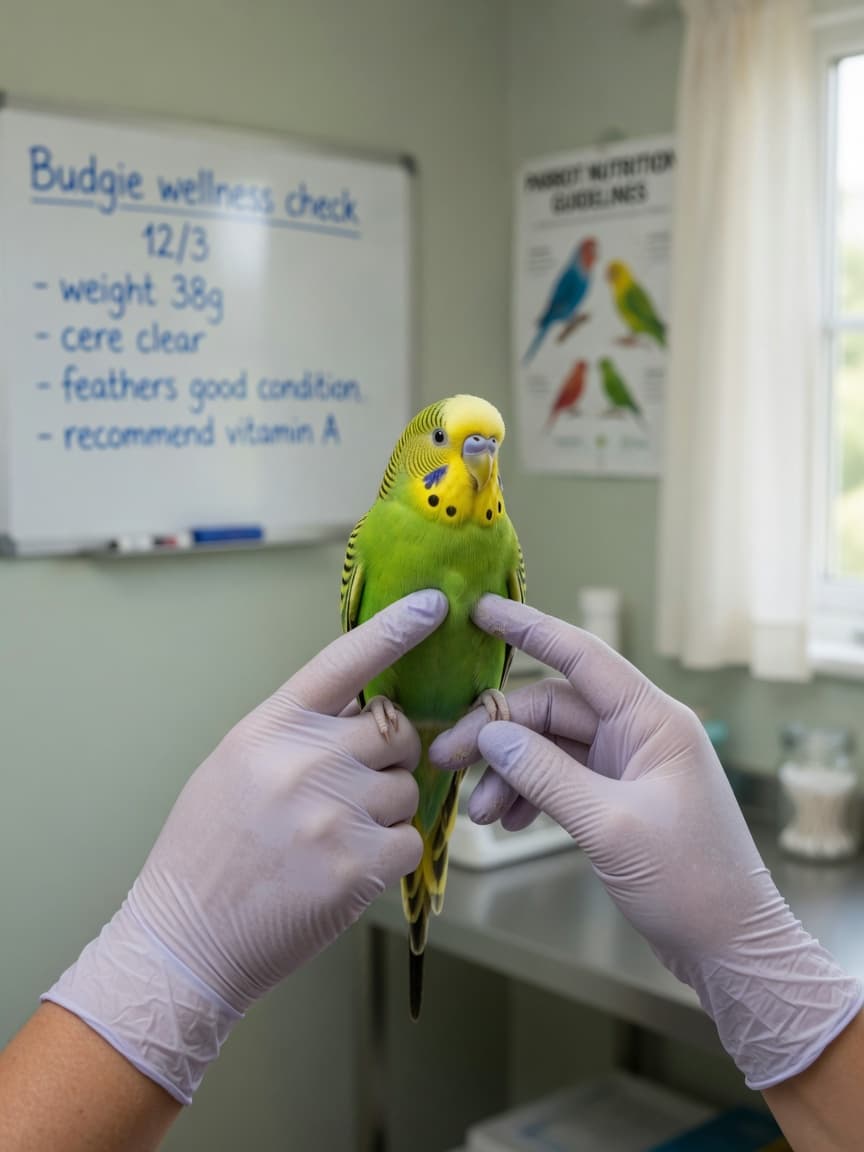
The Challenge of Spotting Illness in Budgerigars
Budgerigars — or budgies, as they are almost universally known in the UK — are one of the nation's most popular pets. They are intelligent, characterful, and capable of forming strong bonds with their owners. They are also, like all birds, expert concealers of illness. In the wild, a visibly unwell bird becomes a target for predators and may be driven away by its flock. This survival instinct means that by the time a budgie appears noticeably sick, the condition is often well advanced. Regular observation, a good understanding of what normal looks like, and access to an avian vet are the foundations of budgie health care.
Recognising the Signs of a Sick Budgie
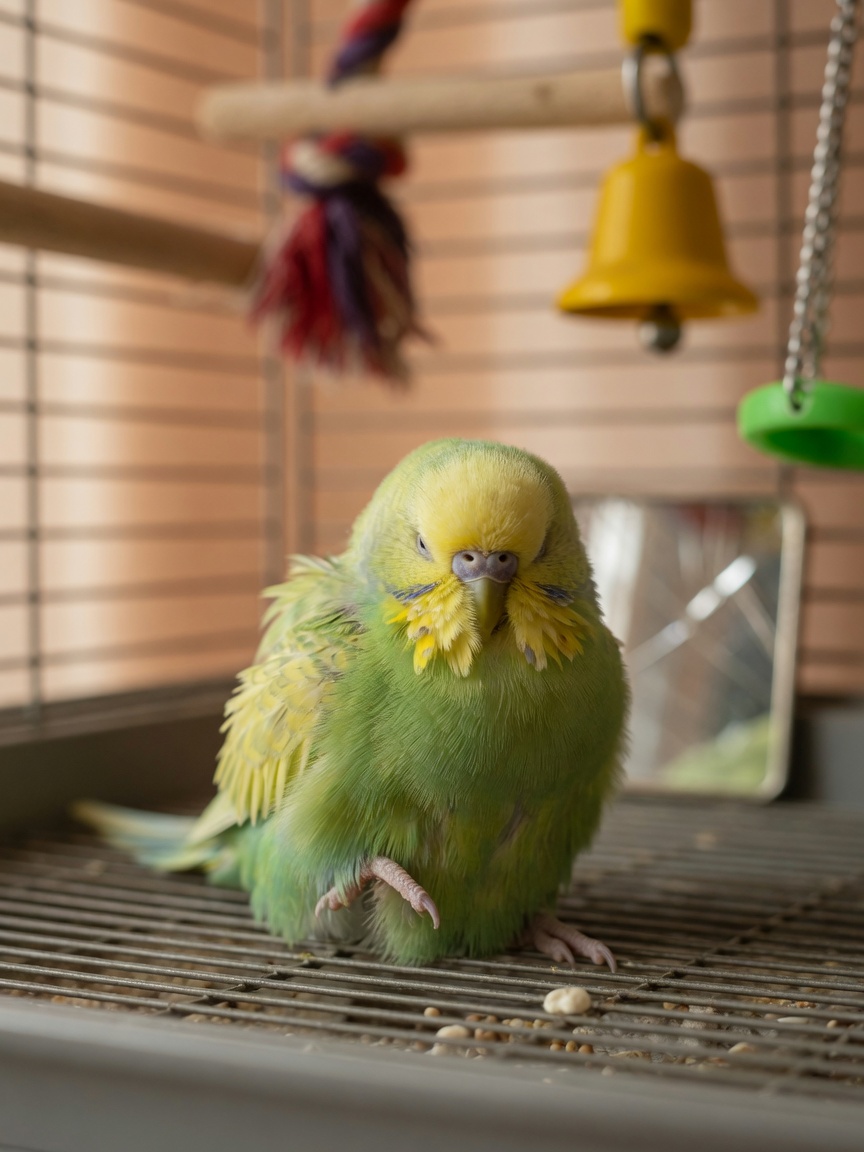
Because birds hide illness so effectively, knowing your individual bird's normal behaviour is essential. Changes that might seem minor — sitting lower on the perch, fluffed feathers outside of sleep time, reduced vocalisation — can be early indicators of a problem. The following signs should always prompt veterinary contact:
- Sitting on the floor of the cage, which budgies rarely do when well
- Persistent fluffed feathers, especially during the day
- Changes in droppings — watery, discoloured, or absent
- Nasal discharge or staining above the nostrils
- Loss of appetite or reduced interest in food and water
- Difficulty breathing, tail bobbing with each breath, or open-mouth breathing
- Changes to the cere (the fleshy area above the beak) in colour or texture
A bird that is quiet, inactive, and sitting with eyes half closed is telling you something is seriously wrong. Do not take a wait-and-see approach — birds can deteriorate with extraordinary speed.
Respiratory Infections
Respiratory disease is among the most common conditions seen in budgerigars. It can be caused by bacteria, viruses, fungi, or parasites, and the signs — sneezing, nasal discharge, laboured breathing, and tail bobbing — overlap considerably between different causative agents. Aspergillosis, a fungal infection caused by Aspergillus spores, is particularly serious and can be difficult to treat once established in the lungs and air sacs.
Environmental factors play an important role in respiratory health. Cigarette smoke, scented candles, air fresheners, aerosols, non-stick cookware fumes (from PTFE-coated pans), and strong cleaning products can all cause acute respiratory distress in birds, whose respiratory systems are extraordinarily sensitive. These substances should be kept entirely away from any space where birds are housed.
Psittacosis
Psittacosis, caused by the bacterium Chlamydia psittaci, is an important condition to be aware of because it is zoonotic — it can be transmitted from birds to humans, where it can cause a serious flu-like illness. Budgerigars can carry the organism without appearing unwell, or may show signs including respiratory symptoms, conjunctivitis, loose droppings, and weight loss.
Any budgie showing signs of illness that has been recently acquired, or that has come into contact with other birds, should be assessed for psittacosis as part of a veterinary work-up. If you or a family member develops flu-like symptoms after contact with a sick bird, it is worth mentioning bird exposure to your GP.
Feather and Beak Conditions
Psittacine beak and feather disease (PBFD) is a viral condition that affects the feathers, beak, and claws. In budgerigars, it typically presents with abnormal, dystrophic feathers — feathers that appear pinched, clubbed, or fail to develop normally — alongside beak abnormalities and, in chronic cases, progressive feather loss. There is no cure, and affected birds require careful management and isolation from other birds, as the virus is highly contagious.
French moult is another feather condition seen specifically in budgerigars, caused by a polyomavirus. Affected birds lose flight and tail feathers, sometimes so severely that they are unable to fly at all. Some birds recover their feathers over subsequent moults; others remain affected permanently. It tends to appear in young birds and can be passed between them in the nest.
Scaly Face and Scaly Leg
Scaly face mite, caused by the parasitic mite Knemidokoptes pilae, is a recognisable condition characterised by a spongy, honeycomb-like encrustation around the cere, beak, eye rims, and sometimes the legs and vent area. It is contagious between birds and causes progressive damage to the beak if left untreated.
The good news is that treatment is effective — a vet will typically prescribe ivermectin or a similar antiparasitic, administered topically or by injection. Enclosures should be thoroughly cleaned. Caught early, birds recover well and beak damage is minimal. Caught late, deformity can be permanent.
Nutritional Deficiencies
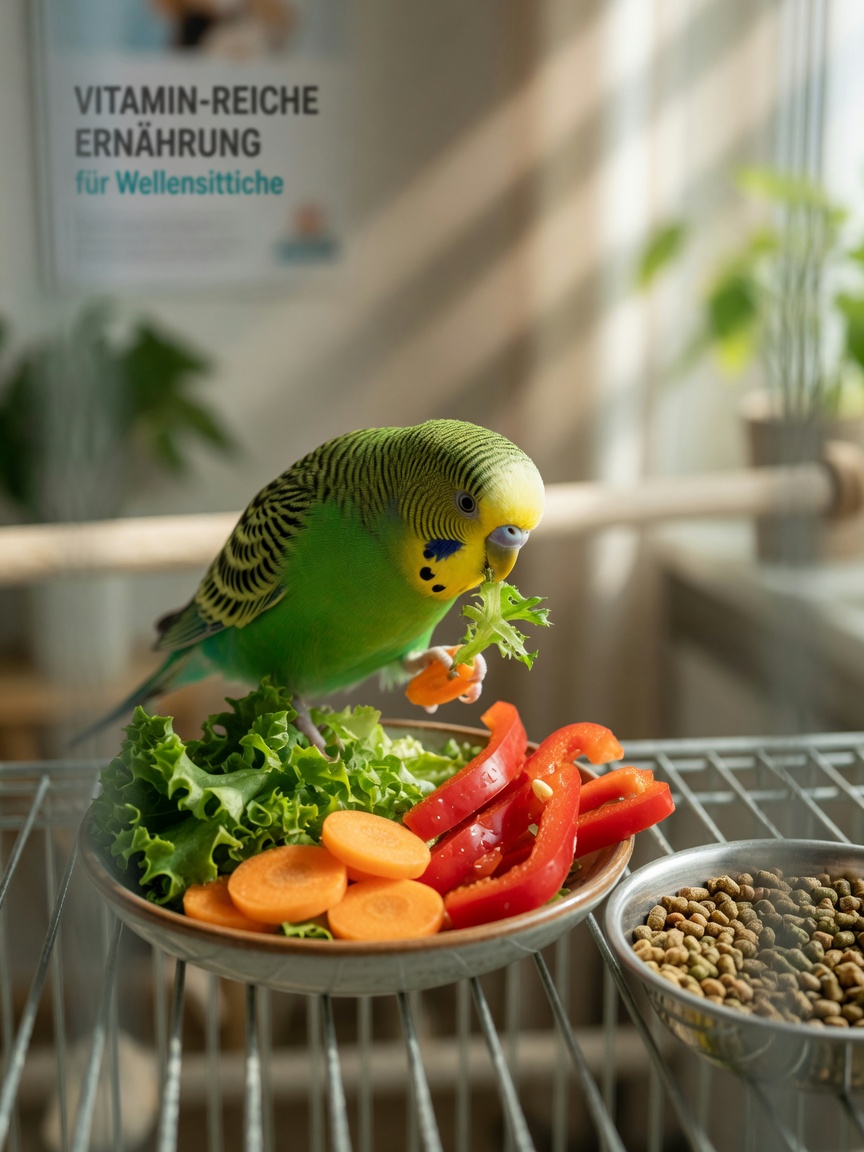
A diet consisting solely of seed is one of the most common causes of long-term health problems in budgerigars. Seeds are high in fat and deficient in many vitamins and minerals, particularly vitamin A, which plays a critical role in maintaining the integrity of respiratory and digestive mucous membranes. Vitamin A deficiency is associated with increased susceptibility to respiratory infections, poor feather quality, and changes to the cere.
- Introduce a variety of fresh vegetables daily — leafy greens, carrot, courgette, and sweet pepper are generally well accepted
- Offer high-quality pellets formulated for small parrots as part of the diet
- Limit millet and seed, offering them as a treat rather than a staple
- Ensure constant access to clean, fresh water — change it daily
Finding an Avian Vet
Not all veterinary practices have experience with birds. The anatomy, physiology, and medicine of budgerigars are distinct from those of dogs and cats, and an avian specialist or a vet with a demonstrable interest in exotic species will provide a significantly better standard of care. The British Veterinary Zoological Society maintains a directory of vets with exotic animal experience, and it is well worth identifying a suitable practice before you need one urgently.
Annual health checks allow a vet to assess weight, feather quality, beak and claw length, and overall condition. They also provide an opportunity to discuss diet and husbandry. Budgerigars can live ten years or more with excellent care — and the combination of a healthy environment, a varied diet, and attentive observation gives them the best possible chance of reaching that milestone.