
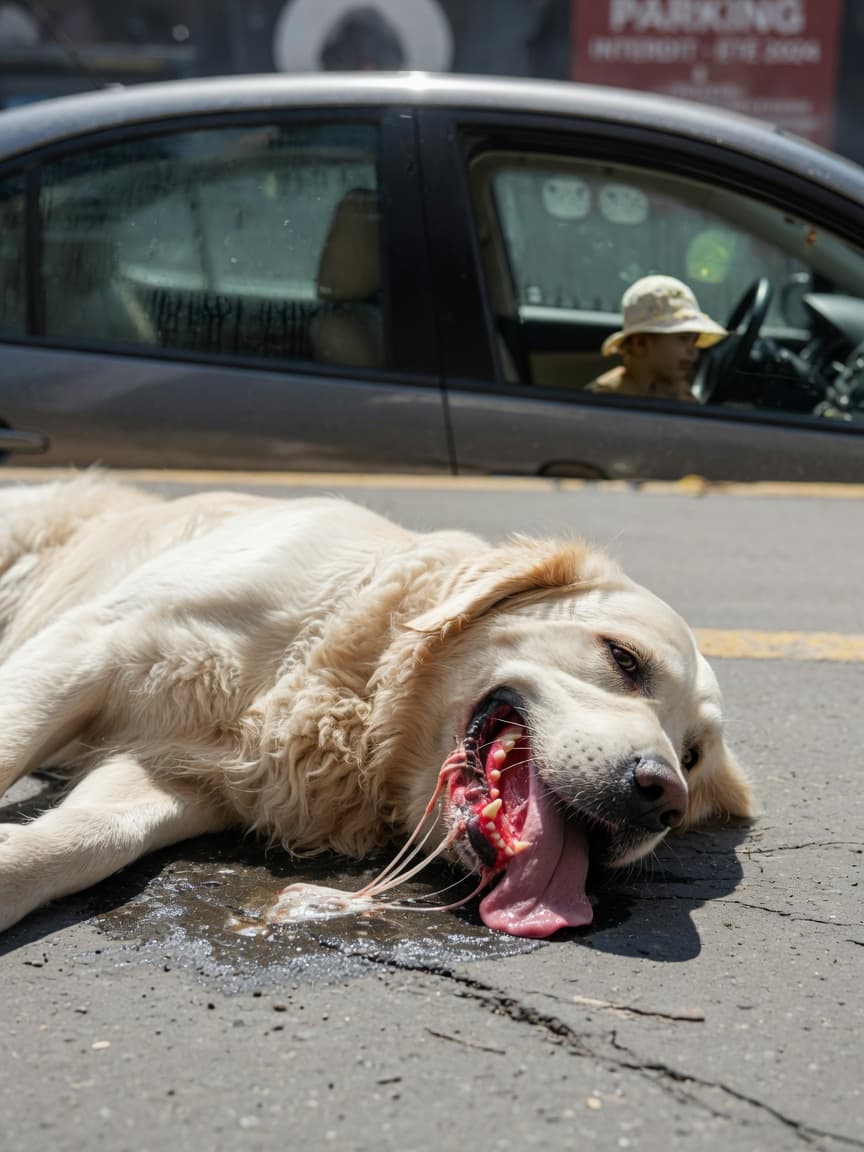
As temperatures soar during the summer months, heat stroke becomes one of the most serious health threats facing our beloved canine companions. Unlike humans, dogs cannot regulate their body temperature through sweating—they rely solely on panting and limited heat dissipation through their paws and nose. This physiological limitation means that even seemingly mild heat exposure can quickly escalate into a life-threatening emergency. Understanding how heat stroke affects your dog, recognising the warning signs, and knowing how to respond could quite literally save your pet's life.
What Happens During Heat Stroke?
Heat stroke occurs when a dog's core body temperature rises above 40.5°C (104.9°F). When this happens, the dog's thermoregulatory system becomes overwhelmed and unable to cope. The excessive heat damages cells throughout the body, causes proteins to denature, and triggers a cascade of physiological problems including organ failure, brain damage, and potentially death.
The damage isn't limited to the moment of overheating either. Even after cooling has begun, dogs can experience what's called "after-shock"—a continued deterioration in their condition—for up to 48 hours following the initial incident. This is why veterinary care is absolutely crucial, even if your dog appears to recover quickly at home.
Signs and Symptoms You Must Recognise
Early recognition of heat stroke is essential for a positive outcome. Watch for these warning signs:
- Excessive panting and difficulty breathing
- Drooling or thick, sticky saliva
- Weakness, lethargy, or collapse
- Vomiting or diarrhoea
- Bright red or pale gums
- Confusion, lack of coordination, or glazed eyes
- Loss of consciousness
- Muscle tremors or seizures
Some dogs may also display anxiety or panic, particularly in the early stages. Trust your instincts—if something seems wrong, seek veterinary attention immediately.
High-Risk Dogs and Situations
Whilst any dog can develop heat stroke, certain breeds and situations carry greater risk. Brachycephalic breeds (flat-faced dogs like Bulldogs, Pugs, and Boxers) are particularly vulnerable because their facial structure compromises airways, making panting less effective. Senior dogs, puppies, and those with existing health conditions are also at increased risk.
Common dangerous scenarios include:
- Leaving dogs in parked cars, even with windows cracked
- Exercising during peak heat hours (11 AM to 4 PM)
- Walking on hot pavements
- Prolonged outdoor activities without shade or water
- Inadequate ventilation in kennels or outdoor spaces
Emergency First Aid Response
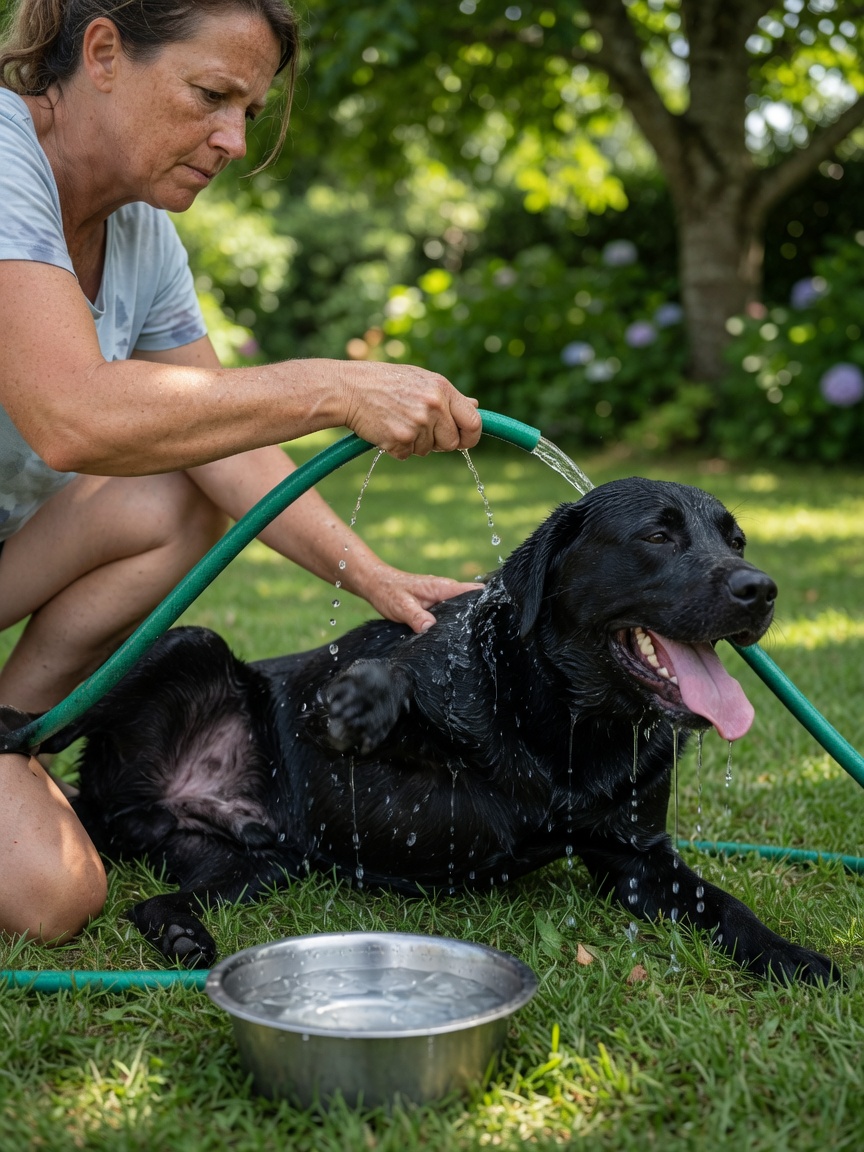
If you suspect heat stroke, immediate action is vital:
- Move your dog to a shaded or air-conditioned area immediately
- Apply cool (not cold) water to their body—use a garden hose or wet towels
- Focus cooling efforts on the head, neck, and inner thighs where major blood vessels are close to the surface
- Offer small sips of cool water if they're conscious and able to swallow
- Contact your veterinary surgery straightaway, even if your dog appears to improve
- Never use ice or ice-cold water, as this can cause shock
Continue cooling your dog until professional help arrives or during transport to the clinic.
Prevention: Your Best Defence
Preventing heat stroke is far simpler than treating it. Provide constant access to fresh water, ensure your dog has a cool, shaded resting area, and avoid strenuous exercise during hot weather. Be especially cautious with walks—early morning or late evening constitutes the safest times. Never leave your dog unattended in a car, regardless of weather conditions, and consider using cooling mats or coats during summer months for particularly vulnerable dogs.
Key Takeaways
Heat stroke is a medical emergency that demands immediate action. By understanding the risks, recognising symptoms early, and implementing practical prevention strategies, you can protect your dog throughout the warmer months. Remember: when in doubt, always consult your veterinary surgeon. Your quick response today could mean many more happy summers together with your furry friend.