
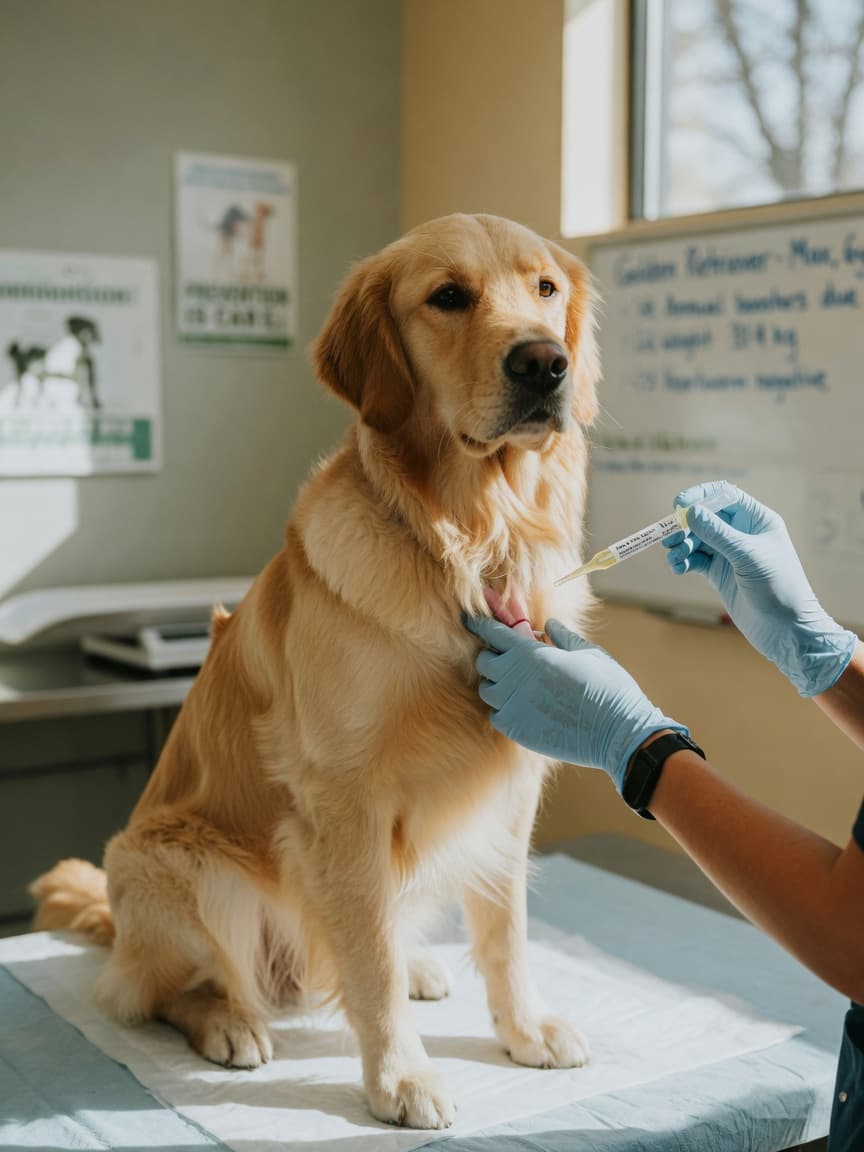
Why Monthly Flea Prevention Is Not Optional
Many pet owners treat fleas only when they see them — a strategy that consistently fails. By the time you spot a flea on your pet, you are already dealing with an infestation. Adult fleas represent only around five per cent of the total flea population in a household. The remaining ninety-five per cent — eggs, larvae, and pupae — are distributed throughout your carpets, soft furnishings, and your pet's bedding.
ESCCAP Guideline 3 (GL3) recommends year-round flea prevention for most companion animals in Europe. This is not overcautious: the flea life cycle, combined with the warmth of modern centrally heated homes, means fleas can complete their development in every month of the year.
Understanding the Flea Life Cycle
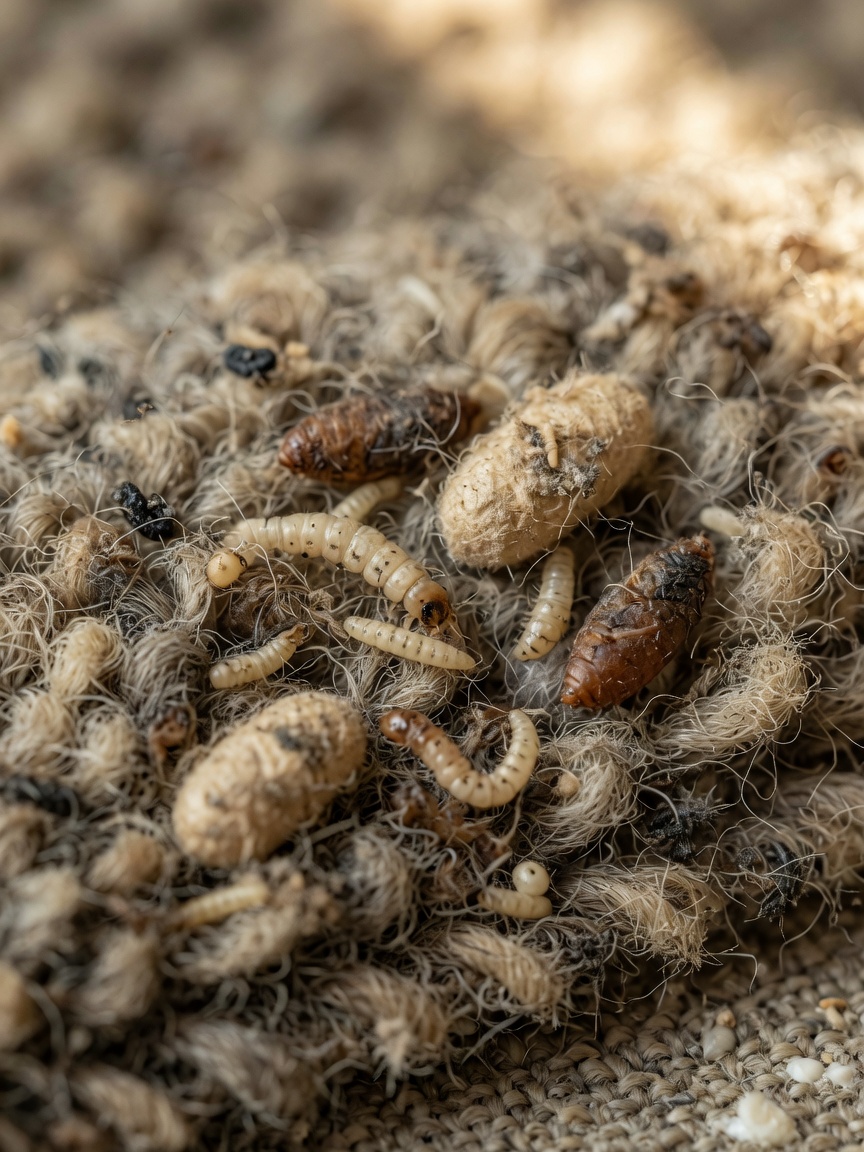
The cat flea (Ctenocephalides felis), which infests both cats and dogs, lays up to fifty eggs per day. Eggs fall off the pet into the environment almost immediately and hatch within days in warm conditions. Larvae develop in carpet fibres, skirting boards, and under furniture — areas your pet barely visits. The pupal stage is the most resilient: pupae can remain dormant for months, then hatch when vibrations indicate a host is nearby. This is why flea problems seem to appear from nowhere, even in homes where pets have been absent.
A single missed treatment month can allow a renewed cycle to begin, particularly if your pet visits other homes, dog parks, or areas frequented by wildlife.
Product Categories: Choosing What Works for Your Pet
Spot-On Treatments
Spot-on products are applied to the skin at the back of the neck, where the pet cannot lick them off. They are absorbed into the skin oils and either kill fleas on contact or are distributed systemically.
- Advantage (imidacloprid): Kills adult fleas rapidly; does not require the flea to bite. Available without prescription in many countries.
- Advocate (imidacloprid + moxidectin): A prescription product that combines flea control with protection against roundworms, lungworm, ear mites, and — crucially — Dirofilaria (heartworm). An excellent all-in-one option for dogs in southern Europe.
- Frontline (fipronil): One of the longest-established spot-on flea products, widely available across Europe. Kills adult fleas and ticks. Note that resistance to fipronil has been reported in some flea populations.
- Stronghold (selamectin): Covers fleas, roundworms, ear mites, and certain ticks. A good option for cats that also need roundworm control.
Oral Flea Treatments
Oral products are increasingly popular because they avoid the greasy residue of spot-ons and cannot be washed off. They work systemically — the flea must bite the pet to be exposed to the active ingredient.
- Bravecto (fluralaner): A single chew that provides three months of flea and tick protection for dogs, or a spot-on option for cats. Excellent compliance tool for owners who struggle with monthly treatments. Available on prescription.
- NexGard (afoxolaner): A monthly chew for dogs that kills fleas and ticks rapidly. Dogs tend to find it palatable, making administration straightforward.
- Comfortis (spinosad): A monthly flea-only tablet for dogs and cats. Works quickly and is useful when fast knockdown of adult fleas is needed.
Flea Collars
- Seresto (imidacloprid + flumethrin): Provides up to eight months of flea and tick protection from a single collar. Cost-effective over its lifespan and a strong option for owners who find monthly treatments difficult to maintain. Suitable for both dogs and cats (species-specific collars — never use a dog collar on a cat). Available on prescription and from online retailers including Zooplus.
How to Choose the Right Product
The best product is the one your pet will tolerate and you will consistently apply. Consider:
- Lifestyle: Does your pet swim or get bathed frequently? Oral or collar options may be more reliable than spot-ons.
- Multiple pets: If you have both cats and dogs, ensure all animals are treated simultaneously. Fleas move freely between species.
- Additional parasite control: If your pet is at risk of heartworm (southern Europe) or lungworm, consider a product like Advocate that covers multiple parasites.
- Owner compliance: If monthly treatment is difficult to remember, Bravecto (three months) or Seresto (eight months) significantly reduce the frequency required.
Treating the Environment

No flea product treats the environment — yet that is where most of the infestation lives. Environmental control is essential to breaking the flea cycle:
- Vacuum carpets, soft furnishings, and under furniture thoroughly and frequently. Dispose of vacuum bags immediately.
- Wash pet bedding at 60°C or above.
- Use a household flea spray such as Indorex (permethrin + pyriproxyfen), which kills adult fleas and contains an insect growth regulator (IGR) that prevents eggs and larvae from developing. One application can provide protection for up to twelve months.
- Treat all rooms your pet accesses, not just areas where you have seen fleas.
Year-Round Treatment: Why Seasonal Prevention Is No Longer Enough
Historically, fleas were considered a summer problem in much of northern Europe. This is no longer accurate. Climate change has extended the active season for fleas outdoors, whilst central heating ensures that indoor environments remain suitable for flea development throughout winter. ESCCAP now recommends year-round prevention for most European pets, and most veterinary parasitologists agree.
Stopping treatment in autumn and restarting in spring is likely to result in an infestation during the gap — particularly if your pet visits other animals or outdoor environments during winter months.
Where to Buy Flea Prevention Products
Prescription products require a vet consultation, which is advisable in any case — your vet can recommend the most appropriate protocol for your pet's health status and local parasite risks. Non-prescription products such as Advantage, Frontline, and Seresto collars can be purchased from your vet, pet shops, or online retailers such as Zooplus, which offers a wide range of licensed veterinary products across Europe.
Avoid unbranded or unlicensed products sold on general marketplaces. These may be counterfeit, incorrectly dosed, or not licensed for use in your country — and ineffective flea control is costly in the long run.
Key Takeaways
- Treat all pets in the household simultaneously — every month, year-round
- Choose a product suited to your pet's lifestyle and your own compliance habits
- Always treat the home environment as well as the pet
- Seresto, Bravecto, and NexGard offer extended or simplified dosing for better compliance
- If you see fleas, assume an infestation and treat accordingly — not just the pet
Written by Julia Wrenfield, animal health writer at ForPetsHealthcare.