
Understanding Ear Mites and Why Cats Are So Susceptible
Ear mites are among the most common external parasites affecting domestic cats, and they are remarkably effective at what they do. The species responsible in the vast majority of cases is Otodectes cynotis — a tiny, eight-legged mite that lives primarily in the ear canal, feeding on skin debris, wax and oils. Though microscopic, the problems they create are anything but subtle.
Cats that venture outdoors, live in multi-pet households or have had contact with strays are at greatest risk. Kittens are particularly vulnerable, frequently acquiring mites from their mothers during the first weeks of life. The parasites spread readily through direct contact between animals, making prompt treatment and containment essential.
Recognising the Symptoms
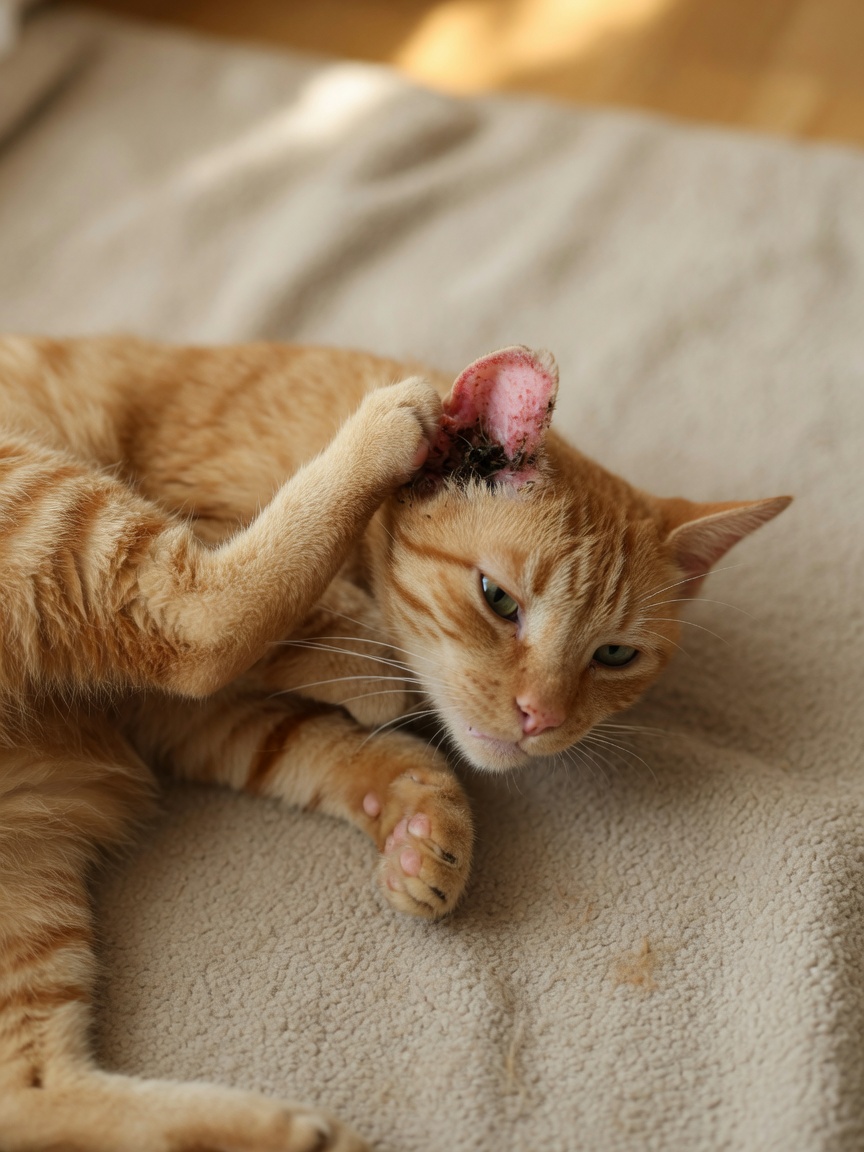
The symptoms of ear mite infestation are distinctive, though they can be confused with other ear conditions such as bacterial or yeast infections. Knowing what to look for helps you seek appropriate treatment more quickly.
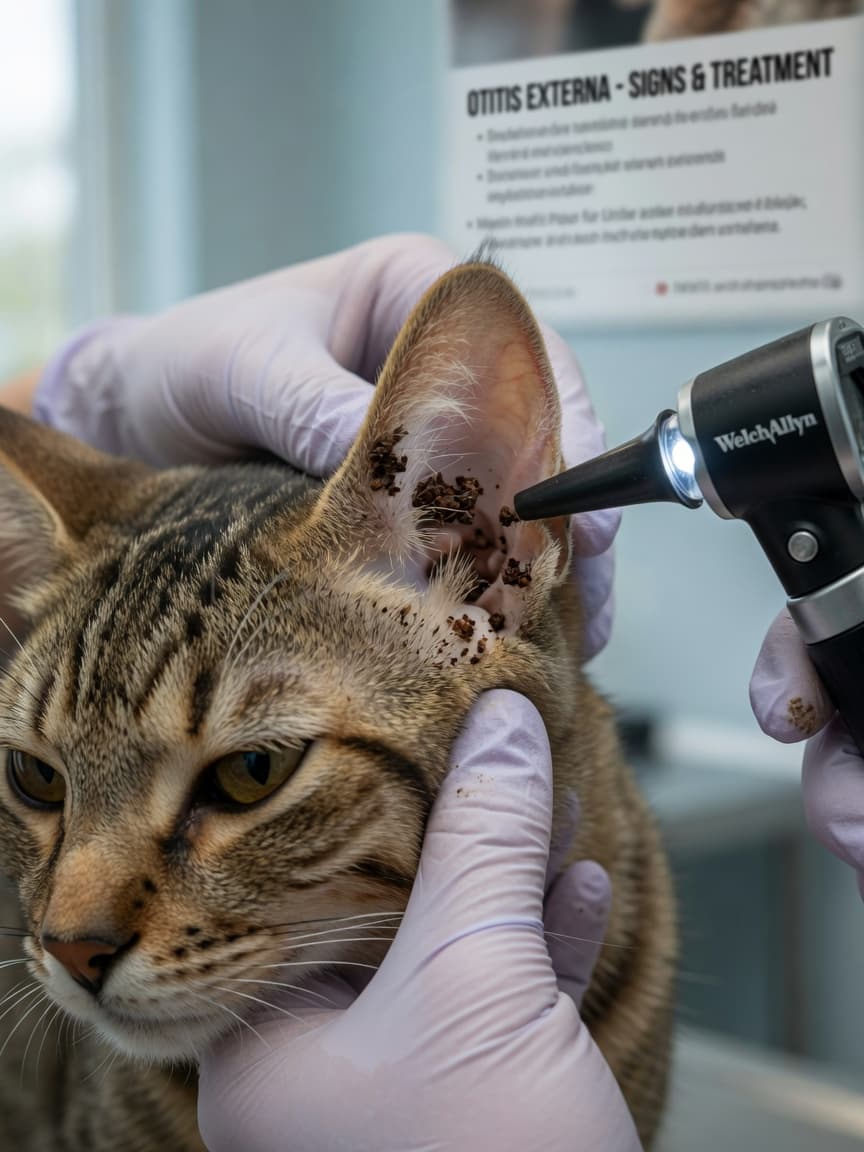
The most telling sign is a dark, crumbly discharge in the ear canal that resembles ground coffee. This material is a combination of ear wax, dried blood, skin debris and mite faeces — not particularly pleasant, but diagnostically useful. The discharge tends to accumulate more rapidly than in a healthy ear and has a characteristic appearance that experienced owners often recognise on sight.
Other symptoms include:
- Intense scratching at the ears and around the head
- Frequent head shaking
- Dark brown or black debris visible at the entrance to the ear canal
- Redness, inflammation or soreness around the ear flap and canal opening
- Hair loss or skin trauma around the ears from scratching
- Odour from the ears, particularly if secondary infection has developed
In severe cases, vigorous head shaking can rupture small blood vessels in the ear flap, causing a haematoma — a blood-filled swelling that requires separate veterinary treatment. This is a compelling reason to address ear mites swiftly rather than waiting to see if the problem resolves on its own.
Getting a Diagnosis
While the symptoms of ear mites are fairly characteristic, a veterinary diagnosis is the recommended approach before beginning treatment. Your vet will examine the ear canal using an otoscope and may take a swab of the discharge to examine under a microscope. Confirming the presence of mites — or their eggs — ensures that any treatment is appropriately targeted.
This matters because ear infections caused by bacteria or yeast present with similar symptoms but require completely different treatments. Using an ear mite product on a yeast infection, or vice versa, will not only fail to resolve the problem but may allow it to worsen while you wait for a response.
Treatment Options
The good news is that ear mites respond well to treatment, and several effective options are available.
Topical Spot-On Treatments
Prescription spot-on products applied to the back of the neck have become a popular and convenient first-line treatment. Selamectin (Revolution) and moxidectin are both effective against Otodectes cynotis and have the added benefit of providing protection against other parasites simultaneously. These products are easy to apply and well tolerated by most cats.
Ear Drops
Targeted ear drop preparations containing ivermectin, milbemycin or permethrin-free alternatives are also effective. These are applied directly into the ear canal and work to kill both mites and eggs. The treatment course and frequency vary by product, so following your vet's instructions precisely is important.
Ear Cleaning
Gentle cleaning of the ear before and during treatment helps remove the accumulated debris that provides shelter and nutrition for mites. This should be done with a purpose-made veterinary ear cleaner, never cotton buds, which can push debris deeper into the canal. Your vet can demonstrate the correct technique if you are unsure.
Treating All Animals in the Household
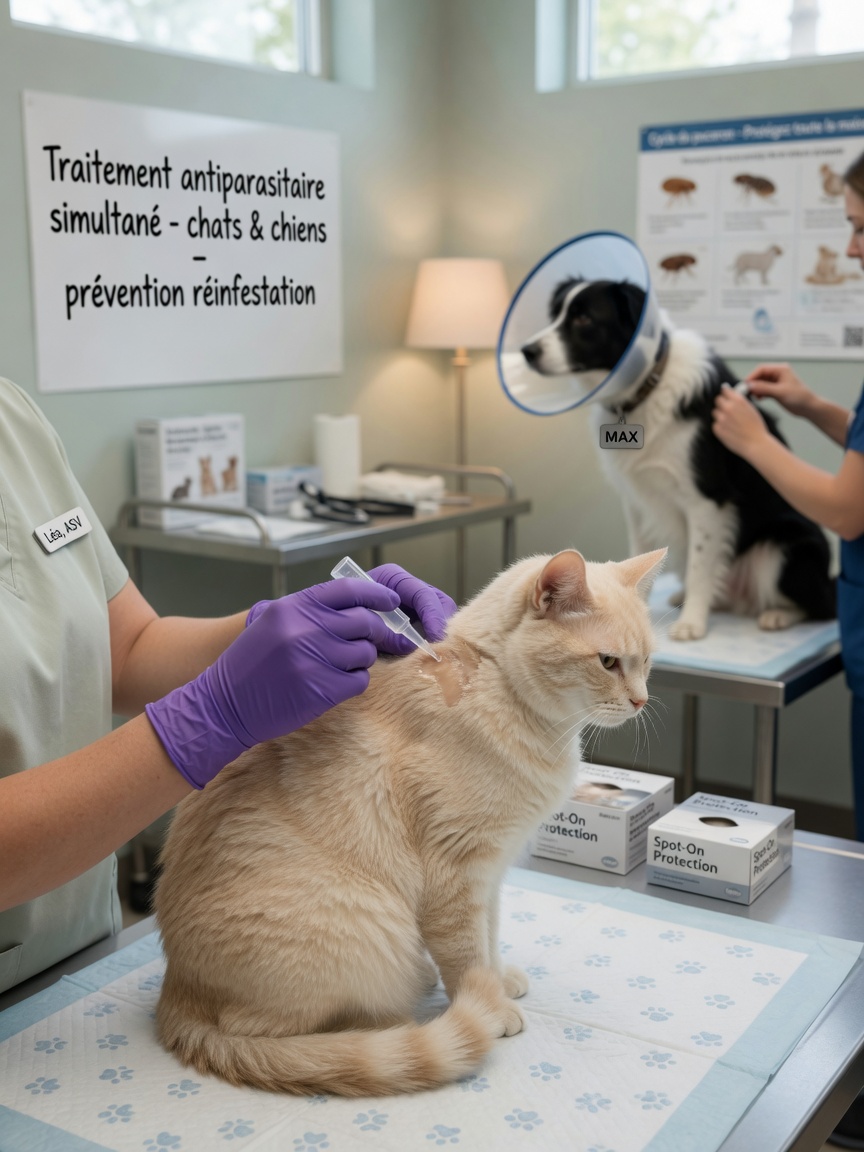
This step is non-negotiable. Ear mites spread extremely easily between cats and can also infest dogs, ferrets and rabbits. If only the symptomatic cat is treated while other pets go untreated, reinfestation is virtually guaranteed. Every cat and dog in the household should receive appropriate treatment at the same time, even if they appear unaffected.
How to Stop Reinfestation
Reinfestation after successful treatment is frustratingly common, and it usually happens for one of a small number of reasons. Understanding these makes prevention straightforward.
Incomplete Treatment Courses
Ear mite treatments need to be completed in full to eliminate not just the live mites but also eggs and larvae that may not be killed in the first application. Stopping treatment early because symptoms have improved is one of the most common reasons cats are reinfested within weeks of treatment.
Untreated Household Contacts
As noted above, any untreated pet in the home is a reservoir for reinfestation. This applies to animals that appear entirely normal, since mites can be present in low numbers without causing obvious symptoms.
Environmental Contamination
Ear mites can survive for a short period off the host, meaning bedding, soft furnishings and cat beds can harbour mites during the treatment period. Washing all pet bedding at a high temperature during treatment reduces environmental contamination and the risk of reinfestation.
Ongoing Parasite Control
For cats with access to the outdoors or regular contact with other animals, incorporating an ear mite preventive into a routine parasite control programme is sensible. Several broad-spectrum spot-on products provide monthly protection. Discussing this with your vet at a routine check-up allows you to choose the most appropriate product for your cat's lifestyle and health status.
Ear mites are a nuisance, but they are very much a manageable one. With accurate diagnosis, appropriate treatment and a thorough approach that includes all household animals, most cats recover fully and remain mite-free with reasonable preventive measures in place.