

Dog Surgery Cost: Common Procedures & Price Ranges
By Julia Wrenfield, Pet Wellness Researcher | Updated June 2026
Finding out your dog needs surgery can be one of the most stressful moments of pet ownership — the combination of worry about your dog's wellbeing and uncertainty about costs can feel overwhelming. This guide walks through the most common surgical procedures dogs need, with honest price ranges so you can go into those conversations with your vet better prepared.
What Determines Dog Surgery Cost
Before diving into specific procedures, it helps to understand what drives cost. Veterinary surgery bills reflect:
- Surgeon and staff time: Complex procedures take longer and require more personnel
- Anesthesia monitoring: A licensed technician monitors your dog's vitals throughout
- Equipment and implants: Orthopedic surgeries may use titanium plates and screws costing hundreds of dollars on their own
- Pre- and post-surgical care: Bloodwork, imaging, pain management, hospitalization
- Specialist vs. general practice: Board-certified surgeons charge more than general practitioners
- Location: Urban/coastal areas consistently cost more than rural markets
ACL/CCL Repair (Knee Ligament Surgery)
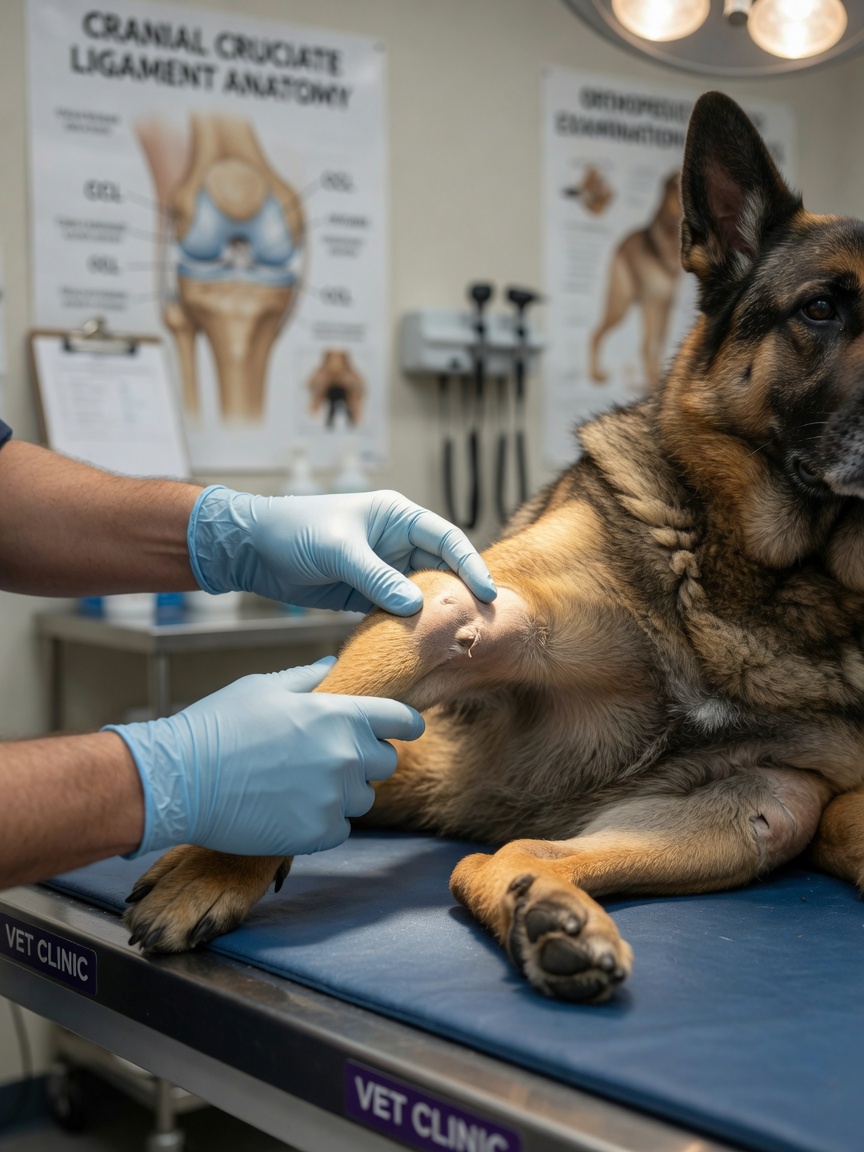
Cranial cruciate ligament (CCL) tears are one of the most common orthopedic injuries in dogs, similar to ACL tears in humans. Surgery is almost always required for active dogs over 20 lbs to restore function and prevent severe arthritis.
The most common surgical technique, TPLO (Tibial Plateau Leveling Osteotomy), costs $2,000–$5,000 per leg, including pre-surgical workup, surgery, hospitalization, and post-op recheck exams. A less expensive option, the lateral suture (extracapsular repair), runs $1,200–$2,500 but is generally recommended only for smaller dogs.
Large-breed dogs frequently tear both CCLs over their lifetime, potentially doubling these costs.
Bloat / GDV Surgery
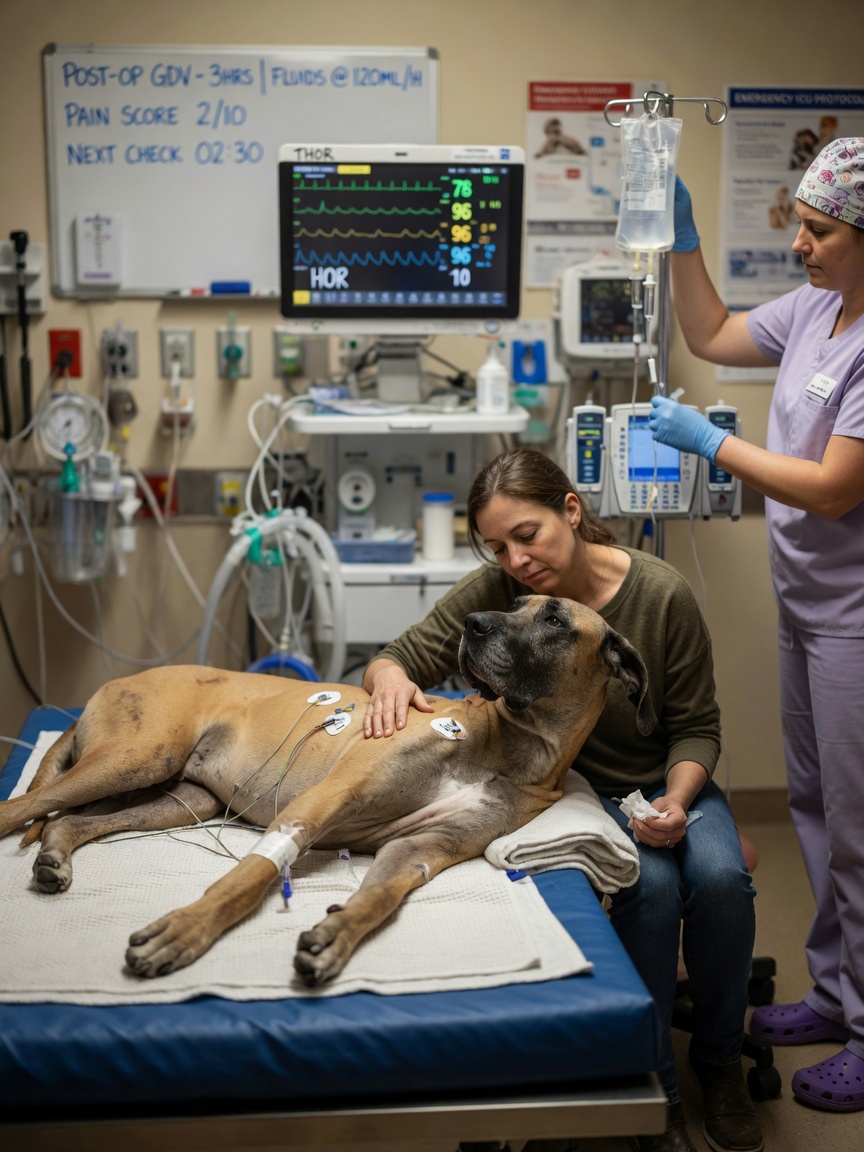
Gastric Dilatation-Volvulus (GDV) — commonly called bloat — is a life-threatening emergency in which the stomach fills with gas and twists. Without immediate surgery, it is fatal. This is among the most expensive emergency surgeries in veterinary medicine.
GDV surgery typically costs $2,000–$7,500, depending on how quickly the dog reaches the OR, whether the stomach wall or spleen has been compromised (requiring more extensive resection), and post-operative ICU care. Many hospitals will discuss payment plans or financing before proceeding, even in emergencies.
Large, deep-chested breeds (Great Danes, German Shepherds, Standard Poodles, Weimaraners) are highest risk. A preventive procedure called gastropexy ($300–$500 when added to a spay/neuter) can prevent the life-threatening twist — worth discussing with your vet for at-risk breeds.
Tumor Removal
Masses and tumors requiring surgical excision span a wide cost range depending on location, size, and whether the surgeon needs wide margins (cancer removal) vs. simple lumpectomy:
- Small skin mass removal: $300–$800
- Larger or deeper tumor removal: $800–$2,000
- Mast cell tumor removal with wide margins: $1,000–$3,000
- Splenectomy (spleen removal for splenic masses): $1,500–$4,000
Histopathology (sending the mass to a lab for analysis) adds $150–$300 but is critical for determining if the tumor is malignant and if margins are clear.
Foreign Body Removal
Dogs eat things they shouldn't — socks, toys, corn cobs, bones, underwear. When these objects get stuck in the stomach or intestines, surgery is often necessary. Foreign body removal typically costs $1,500–$3,500, including pre-surgical x-rays, IV fluids, anesthesia, and the procedure itself. If intestinal tissue is damaged and must be resected (removed), costs climb toward $3,000–$5,000.
Endoscopic retrieval (no incision, using a scope) is possible for objects still in the stomach and costs less: $500–$1,500. However, it requires a specialist with endoscopy equipment and is only an option when the object hasn't yet moved into the intestines.
Other Common Dog Surgeries and Costs
| Procedure | Typical Cost Range |
|---|---|
| Perineal urethrostomy (PU) | $1,500–$3,000 |
| Fracture repair (plating/pinning) | $1,500–$4,000 |
| Cataract surgery | $2,500–$4,500 per eye |
| Bladder stone removal | $1,000–$2,500 |
| Intestinal resection/anastomosis | $2,000–$5,000 |
| Soft palate / airway surgery (brachycephalic) | $1,000–$3,000 |
Paying for Dog Surgery
Most pet owners are not prepared to pay $2,000–$7,000 out of pocket without warning. Your options:
- Pet insurance: The single best preparation — accident-and-illness policies typically cover 70–90% of eligible surgery costs after the deductible. The catch: it must be in place before the condition is diagnosed.
- CareCredit: Healthcare credit card, accepted at most vet practices; 0% APR promotional periods of 6–24 months
- Scratchpay: Fast approval, multiple plan options; no prepayment penalties
- RedRover Relief: Emergency grants for pet owners facing financial hardship
- Veterinary payment plans: Some practices offer in-house plans, particularly for established clients
- CCL/ACL repair: $2,000–$5,000 (TPLO); one of the most common orthopedic surgeries
- Bloat/GDV emergency surgery: $2,000–$7,500; preventive gastropexy costs $300–$500
- Tumor removal: $300–$4,000+ depending on size, location, and margins needed
- Foreign body removal: $1,500–$3,500 for surgery; $500–$1,500 for endoscopic retrieval
- Always get a written itemized estimate before authorizing any procedure
- Pet insurance, CareCredit, and Scratchpay are the three main tools for managing large vet bills
References
- Lafond E, Breur GJ, Austin CC. "Breed susceptibility for developmental orthopedic diseases in dogs." Journal of the American Animal Hospital Association. 2002;38(5):467-77. PMID: 12220965
- Glickman LT, et al. "Incidence of gastric dilatation-volvulus in dogs." Journal of the American Veterinary Medical Association. 2000;216(1):40-5. PMID: 10638316