
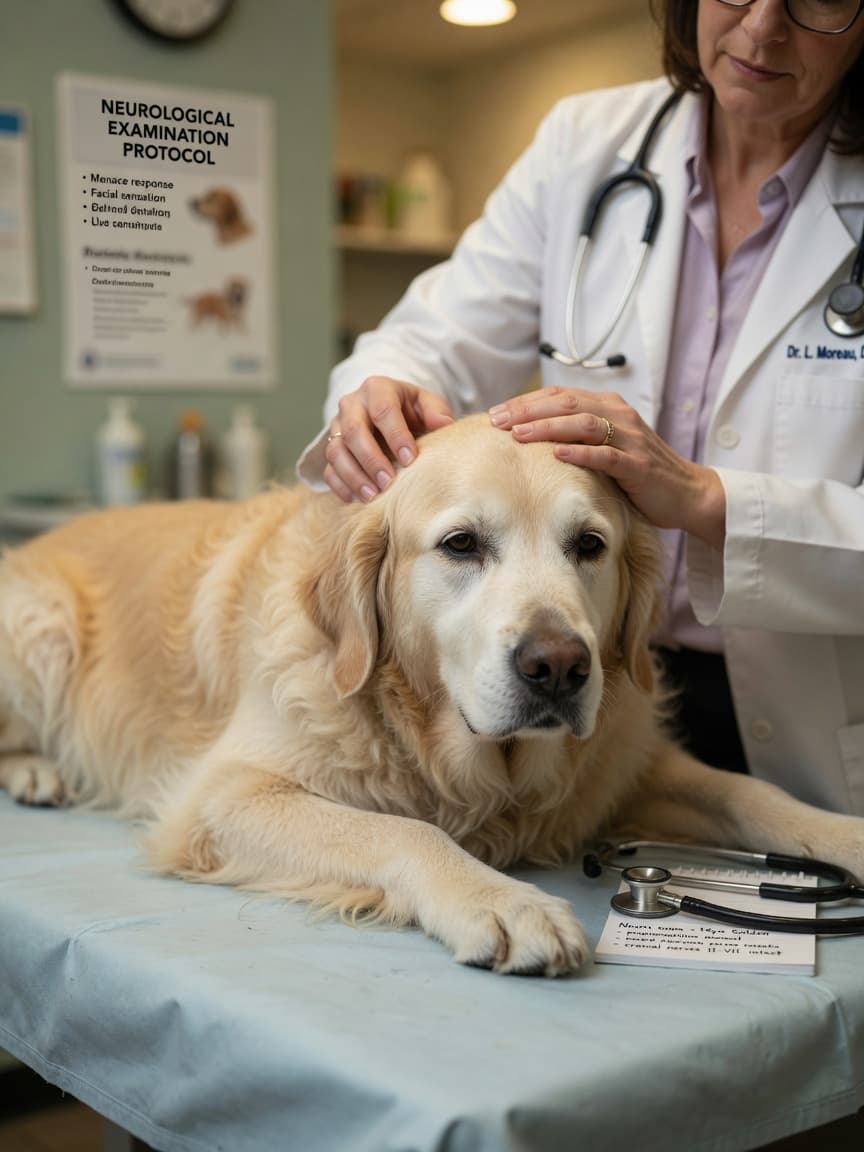
A Diagnosis No Owner Wants to Hear
Brain tumours account for a significant proportion of neurological referrals in dogs, with an estimated incidence of 14.5 per 100,000 dogs annually. They occur most commonly in dogs over five years of age, and certain breeds — Boxers, Golden Retrievers, Dobermanns, and Bulldogs among them — carry a statistically higher risk. Yet despite the gravity of the diagnosis, management options have expanded considerably, and many dogs retain good quality of life for meaningful periods after diagnosis.
Types of Brain Tumour in Dogs
Brain tumours in dogs are classified as primary — arising from brain tissue itself — or secondary, meaning they have spread from a tumour elsewhere in the body.
Primary Tumours
Meningiomas are the most common primary brain tumours in dogs. They arise from the membranes surrounding the brain and tend to grow slowly. Gliomas — including astrocytomas and oligodendrogliomas — originate in the brain's supporting cells and are particularly prevalent in brachycephalic breeds such as Boxers and Bulldogs. Choroid plexus tumours arise from the tissue that produces cerebrospinal fluid and frequently cause hydrocephalus as a secondary complication.
Secondary Tumours
Cancers originating in the mammary glands, lungs, and nasal cavity are among the most frequent sources of metastatic brain disease in dogs. When a dog develops neurological signs alongside a known or suspected cancer elsewhere in the body, brain involvement must be considered.
Recognising the Signs
The signs of a brain tumour depend on the location and rate of growth of the lesion. They are frequently subtle at first and can easily be attributed to normal ageing or behavioural change.
- Seizures: often the presenting sign, particularly with tumours affecting the cerebral cortex. New-onset seizures in a dog over five years should prompt urgent investigation.
- Behavioural change: increased anxiety, uncharacteristic aggression, apparent loss of learned behaviours, or personality shifts.
- Circling or head pressing: suggesting increased intracranial pressure or focal brain involvement.
- Ataxia and weakness: stumbling, falling, or difficulty rising, particularly with tumours affecting the brainstem or cerebellum.
- Vision changes: bumping into objects, apparent blindness, or abnormal eye movements.
- Changes in appetite or thirst: relevant when tumours involve the hypothalamic region.
These signs are not specific to brain tumours — many other conditions produce similar presentations — but they warrant prompt veterinary assessment rather than a watch-and-wait approach.
Diagnosis: MRI and What Comes After
MRI is the gold standard for diagnosing brain tumours in dogs. It provides detailed information about tumour size, location, and degree of brain compression or oedema. The procedure requires general anaesthesia. CT scanning is a less detailed alternative but useful when MRI is unavailable.
Imaging can suggest tumour type but cannot confirm it. Definitive diagnosis requires tissue — obtained either via surgery or, in some cases, stereotactic biopsy at specialist centres. For many owners and clinicians, the presumptive diagnosis from imaging is sufficient to guide treatment decisions without subjecting the dog to additional procedures.
Prior to imaging, blood tests, urine analysis, and chest X-rays are typically performed to assess general health and screen for systemic cancer that may have spread to the brain.
Treatment Options
Surgery
Surgical removal is the most effective treatment for accessible tumours, particularly meningiomas situated on the surface of the brain. Median survival times following surgery for canine meningioma range from seven to twenty-four months depending on completeness of removal and tumour grade. Surgery carries perioperative risk and is not suitable for all dogs or all tumour locations.
Radiotherapy
Radiation therapy — either conventional fractionated radiotherapy or stereotactic radiosurgery — can achieve meaningful tumour control, particularly for gliomas or tumours in surgically inaccessible locations. It is delivered at specialist referral centres. Stereotactic radiosurgery delivers high-dose, precisely targeted radiation in one to three sessions and has shown promising results in canine glioma.
Palliative Care
For dogs where curative intent treatment is not pursued, palliative management centres on controlling symptoms and maintaining quality of life. Corticosteroids — typically prednisolone — reduce peritumoral oedema and can produce meaningful clinical improvement for weeks to months. Anti-epileptic drugs manage seizures. Palliative care does not stop the disease but can provide comfortable time that would otherwise be lost.
Quality of Life and End-of-Life Decisions
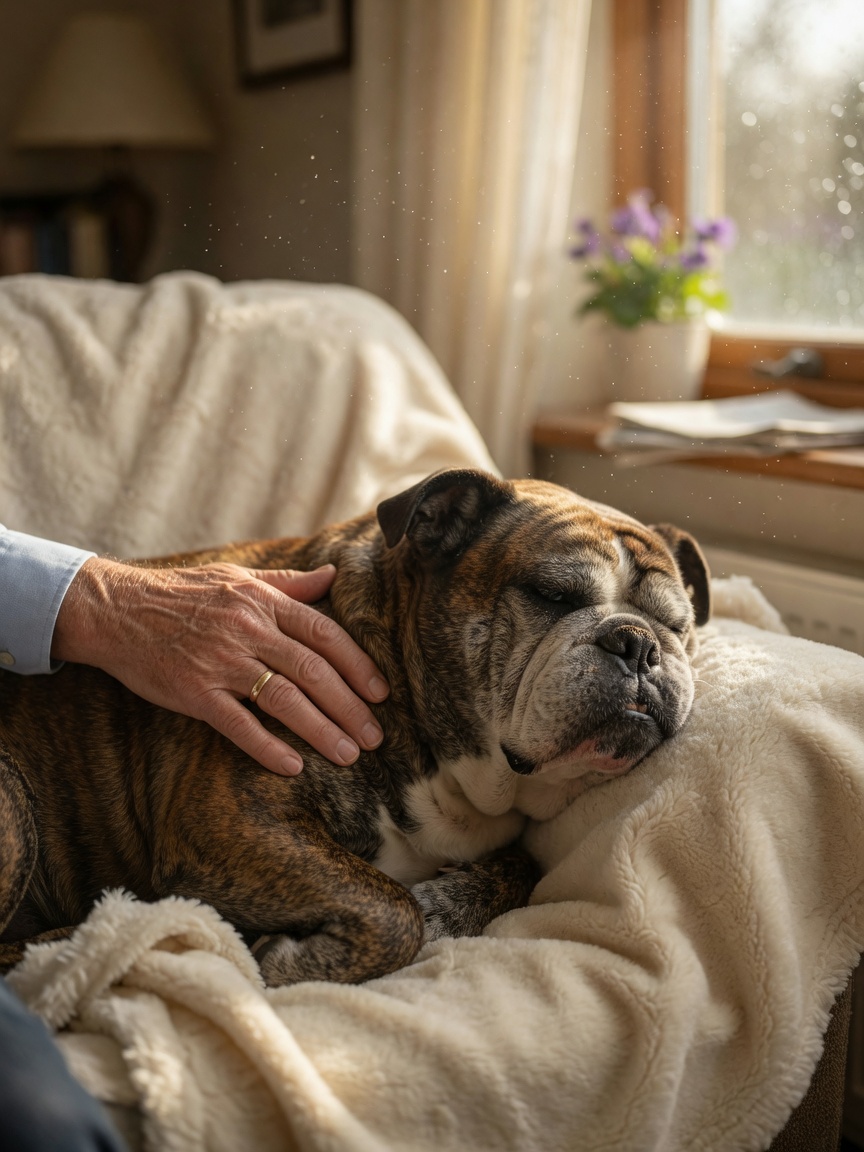
This is the hardest part of managing a brain tumour diagnosis. There is no single correct answer, and the right decision is shaped by the individual dog, the family's circumstances, and the realistic prognosis. Some questions that help guide the conversation:
- Is the dog experiencing more good days than difficult ones?
- Can the dog perform the activities that brought them joy — eating, playing, engaging with the family?
- Are episodes of distress — seizures, confusion, pain — becoming more frequent or more prolonged?
- Is the dog able to move, toilet, and rest comfortably?
Validated quality of life scales, such as the HHHHHMM scale developed by veterinary oncologist Dr Alice Villalobos, can provide a structured framework for assessment. Many owners find it helpful to complete these regularly and share them with their vet.
A veterinary neurologist or oncologist can provide the most accurate prognosis given imaging findings, tumour type, and the dog's overall health. Decisions about whether to pursue aggressive treatment, palliative management, or euthanasia should be made with full information and without judgement. All paths can be the right path when they prioritise the dog's welfare.
Receiving a brain tumour diagnosis for a beloved dog is devastating. But with good veterinary guidance and a clear-eyed focus on quality of life, many owners and their dogs navigate this diagnosis with more time and more dignity than they initially believed possible.