
African Grey Parrots in Europe: What Every Owner Must Know
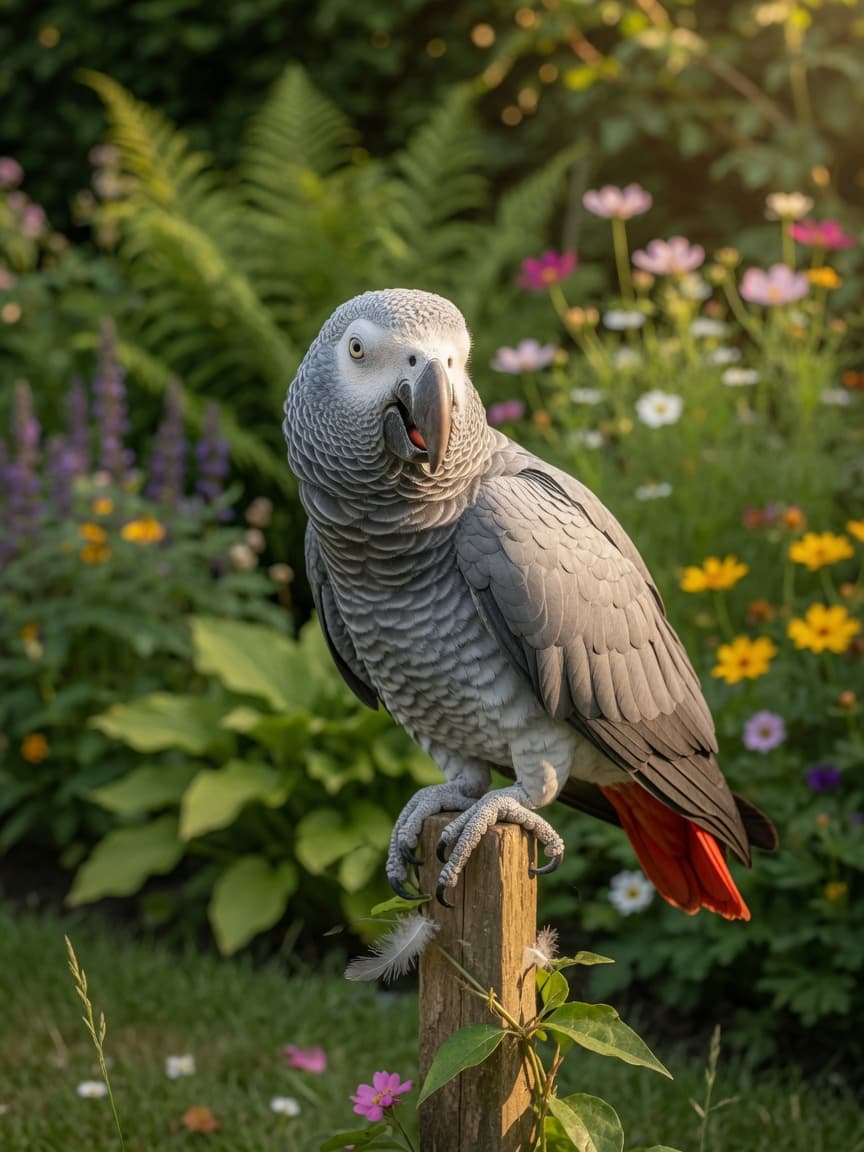
The African Grey parrot, known scientifically as Psittacus erithacus, is widely regarded as the most intellectually gifted of all companion birds. Native to the equatorial forests of central and west Africa, it has been kept in European homes for centuries. Today, however, owning one carries significant legal, ethical and practical responsibilities that prospective keepers must fully understand before acquiring a bird.
Legal Status: CITES Appendix I and What It Means for EU Owners
In 2016, the African Grey was uplisted from CITES Appendix II to Appendix I following a dramatic collapse in wild populations caused by trapping for the pet trade and habitat loss. This is the highest level of international wildlife protection. For owners in the European Union, the implications are clear: only captive-bred African Greys with complete, verifiable documentation may legally be kept as pets. Wild-caught birds are entirely prohibited.
To keep an African Grey legally within the EU, owners must be able to produce the following:
- A valid CITES Article 10 certificate confirming the bird was captive-bred
- Proof of closed ring (fitted at the breeding establishment while the chick was still very young) or an implanted microchip
- Documentation confirming the breeding establishment is registered with the relevant national authority
If you are purchasing a bird and any of this paperwork cannot be provided, do not proceed. Acquiring an undocumented African Grey — even in good faith — may expose you to prosecution and will certainly expose the bird to welfare risk. Always buy from a registered, reputable aviculturist and request documentation before handing over any payment.
Intelligence and Emotional Complexity
African Greys are not simply clever mimics. Decades of research, most famously the work of Dr Irene Pepperberg with a bird called Alex, has demonstrated that these parrots possess cognitive abilities comparable to those of a five-year-old child. They can learn the meaning of words and use them contextually, understand concepts of shape, colour, number and absence, and solve multi-step problems.
Equally significant is their emotional complexity. African Greys have demonstrated what researchers describe as empathic responses — comforting distressed companions, showing apparent grief after the loss of a flock mate, and forming deep attachments to individual humans. This emotional depth is precisely what makes them so compelling as companions, and also what makes poor husbandry so damaging to them. A bored or lonely African Grey does not simply sit quietly — it suffers.
Housing Requirements
The cage requirements for an African Grey are substantial. A minimum cage size often cited in European aviculture guidelines is 100 cm wide by 80 cm deep by 150 cm tall, but this should be viewed as an absolute minimum for a bird that is in the cage for only a portion of each day. If the bird spends longer periods confined, a full aviary setup is strongly preferable.
Stainless steel construction is recommended over powder-coated or zinc-galvanised cages, as these metals can cause heavy metal poisoning if chewed. Key considerations include:
- Horizontal bar spacing to allow climbing
- Multiple perches of varying diameter and texture to support foot health
- Placement in a social area of the home where the bird can observe family activity without being exposed to kitchen fumes or draughts
- Daily supervised free-flight time outside the cage
Diet: Getting the Balance Right
African Greys have a reputation for calcium deficiency, which can cause hypocalcaemia and seizures. Diet is the first line of defence. A well-formulated diet should consist of approximately 60 to 70 per cent high-quality pellets — Harrison's Bird Foods is a brand widely recommended by avian vets in Europe for its organic, species-appropriate formulation.
The remainder of the diet should include:
- Fresh vegetables daily — leafy greens such as kale, spinach, pak choi and rocket are particularly valuable for their calcium content
- Limited fruit — high in sugar and should not exceed a small amount several times a week
- Limited seeds — best treated as training rewards rather than dietary staples, as seed-heavy diets are linked to fatty liver disease
- Cuttlefish bone as a calcium supplement, made freely available in the cage
Foods that are toxic to parrots and must never be offered include avocado, chocolate, onion, garlic, caffeine and alcohol.
Mental Stimulation and Preventing Feather Plucking
Feather plucking is one of the most distressing conditions seen in captive African Greys, and it is almost always rooted in psychological causes: boredom, loneliness, stress, or insufficient environmental enrichment. Once established, it can become a compulsive habit that is extremely difficult to reverse. Prevention is therefore essential from the outset.
Effective enrichment strategies include:
- Foraging toys that require the bird to work for food — rotating these regularly prevents habituation
- Positive reinforcement training sessions, which build trust and provide structured mental engagement
- Background radio or television when the bird is alone — familiar human voices provide reassurance
- Regular social interaction with family members throughout the day
African Greys should not be left alone for extended periods day after day. If your lifestyle involves long absences from home, this may not be the right species for you.
Health Issues to Know About
African Greys are susceptible to several health conditions that owners should recognise early. Psittacine Beak and Feather Disease, commonly known as PBFD, is a viral infection that causes progressive feather loss and beak abnormalities. It is contagious between birds and has no cure, though supportive care can extend quality of life.
Aspergillosis is a fungal infection of the respiratory system caused by the Aspergillus fungus, which is present in the environment but causes disease primarily in immunocompromised or chronically stressed birds. A grey that is kept in suboptimal conditions is at significantly elevated risk.
Owners must also be aware of psittacosis, caused by the bacterium Chlamydia psittaci. This is a zoonotic disease, meaning it can be transmitted from birds to humans, and can cause a serious flu-like respiratory illness. If you own an African Grey and become unwell with respiratory symptoms, inform your GP of your bird ownership. Equally, inform your avian vet promptly if your bird shows signs of lethargy, respiratory distress, or loose droppings.
For all health concerns, an African Grey must be seen by an avian specialist — specifically a vet with membership of the European College of Zoological Medicine (ECZM). General-practice vets, however skilled with dogs and cats, typically lack the specialist knowledge required to diagnose and treat parrot health conditions accurately.
Lifespan: A Decision That Outlasts Most Life Plans
African Greys routinely live between 50 and 70 years in captivity. This is not a figure to gloss over. Acquiring a young African Grey at the age of 30 means that the bird may still be alive and needing daily care when you are 100 years old. This is a genuine lifetime commitment — and in many cases, a commitment that extends beyond your own lifetime.
Responsible owners are strongly encouraged to include provision for their African Grey in their will, identifying a named person who understands the bird's needs and has agreed to take responsibility for its care. Reputable African Grey rescue organisations exist across Europe for birds whose owners can no longer care for them, and adopting a rescue grey is an option well worth considering for prospective owners. These organisations can also offer guidance and support to existing owners facing difficulties.
An African Grey parrot is not a decoration or a novelty. It is a highly intelligent, emotionally sensitive creature capable of deep attachment and, equally, deep suffering. Kept well, it will be one of the most extraordinary companions you will ever share your life with.