
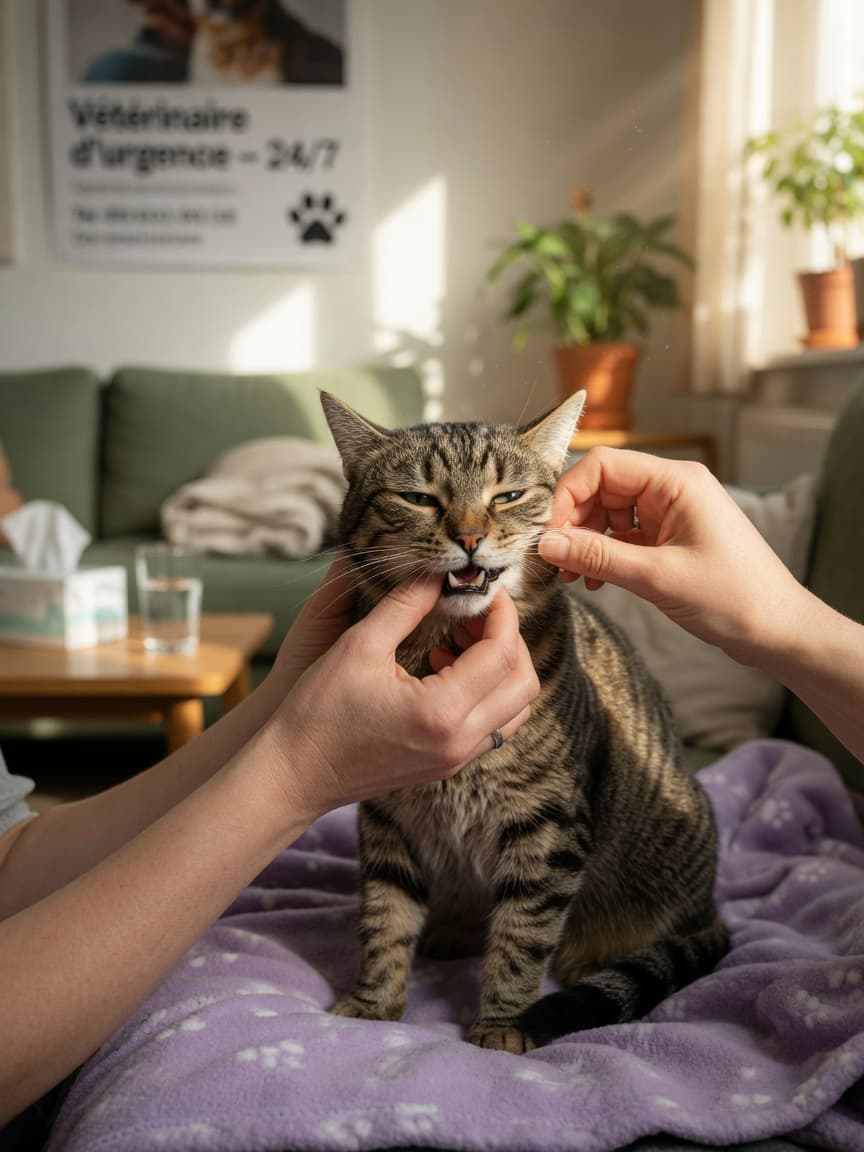
When a Cat Turns Down Food, Pay Attention
Cats are famously selective eaters, and most owners have experienced the frustration of a cat sniffing at a bowl and walking away. Some degree of pickiness is normal in cats, but a genuine refusal to eat — particularly when it persists — is a clinical concern that warrants careful attention. In cats, prolonged inappetence carries a specific serious risk that does not apply in the same way to dogs, making it more urgent than many owners realise.
Understanding the difference between a cat that is being fussy and one that is medically unwell is one of the most valuable skills a cat owner can develop.
How Long Can a Cat Safely Go Without Eating
As a general rule, a healthy adult cat should not go more than 24 to 48 hours without eating before you contact your vet for advice. Kittens, senior cats, and cats with existing health conditions have even less tolerance — missing meals for 12 to 24 hours in these animals warrants earlier intervention.
The reason the timeline is tighter for cats than for many other species comes down to a condition called hepatic lipidosis, more commonly known as fatty liver disease. When a cat does not eat, its body begins breaking down fat reserves for energy. In cats, this fat is mobilised to the liver faster than it can be processed, causing fat to accumulate in liver cells and impairing liver function. This can develop within 48 to 72 hours of complete food refusal, particularly in overweight cats, and it becomes life-threatening without treatment.
Common Reasons Cats Stop Eating
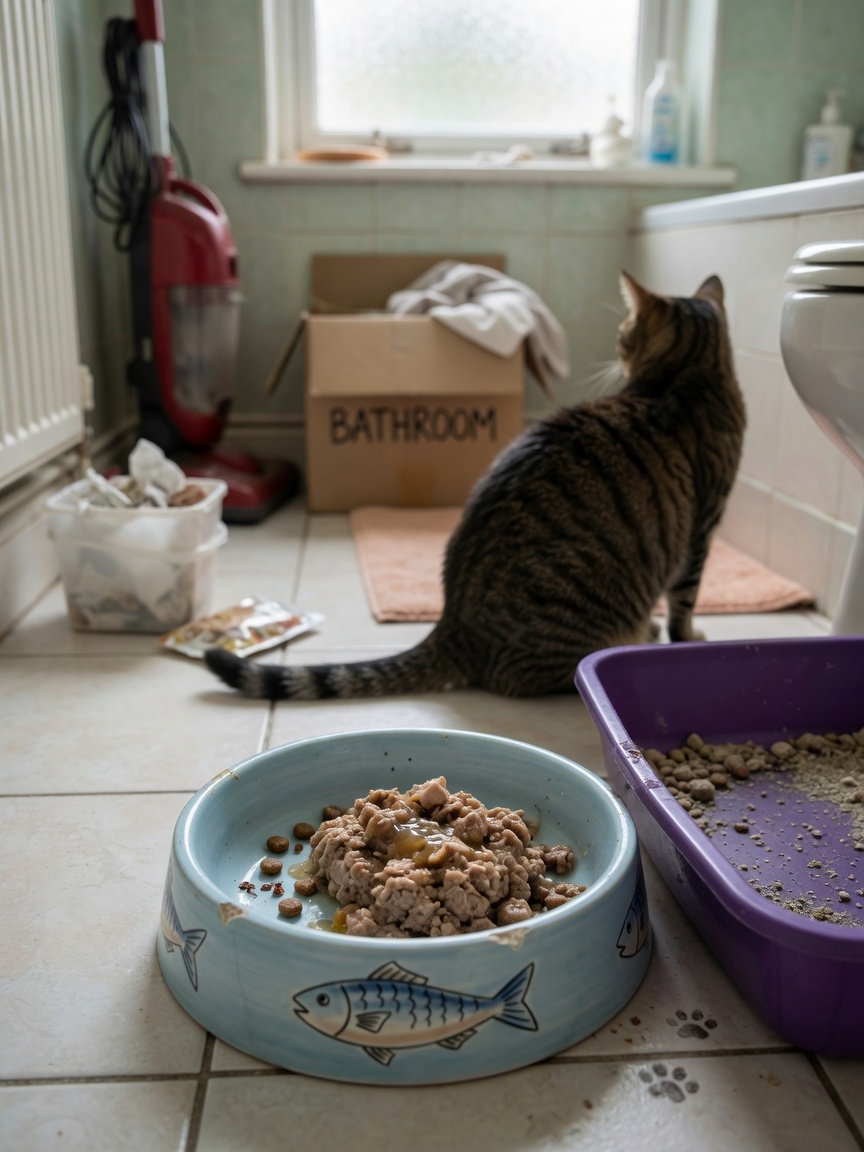
The causes of reduced appetite in cats range from entirely benign to seriously concerning. Understanding the possible explanations helps you assess urgency more accurately.
Environmental and Behavioural Causes
- A change in food brand, flavour, or texture
- A new bowl or a bowl that has been washed with a strongly scented detergent
- Stress from changes at home: a new pet, a new person, building works, or a house move
- Competition with other cats in a multi-cat household
- The food being served too cold (straight from the fridge)
Medical Causes
- Dental pain — one of the most commonly overlooked causes; a cat with a painful tooth may eat less or eat slowly on one side
- Upper respiratory infection, which reduces the ability to smell food (cats rely heavily on scent to stimulate appetite)
- Gastrointestinal problems including nausea, constipation, or inflammatory bowel disease
- Kidney disease, hyperthyroidism, diabetes, or other systemic illness
- Recent vaccination — mild inappetence for a day after vaccines is common and usually resolves on its own
- Pain from any source — injury, arthritis, or internal discomfort
What to Look For Alongside the Inappetence
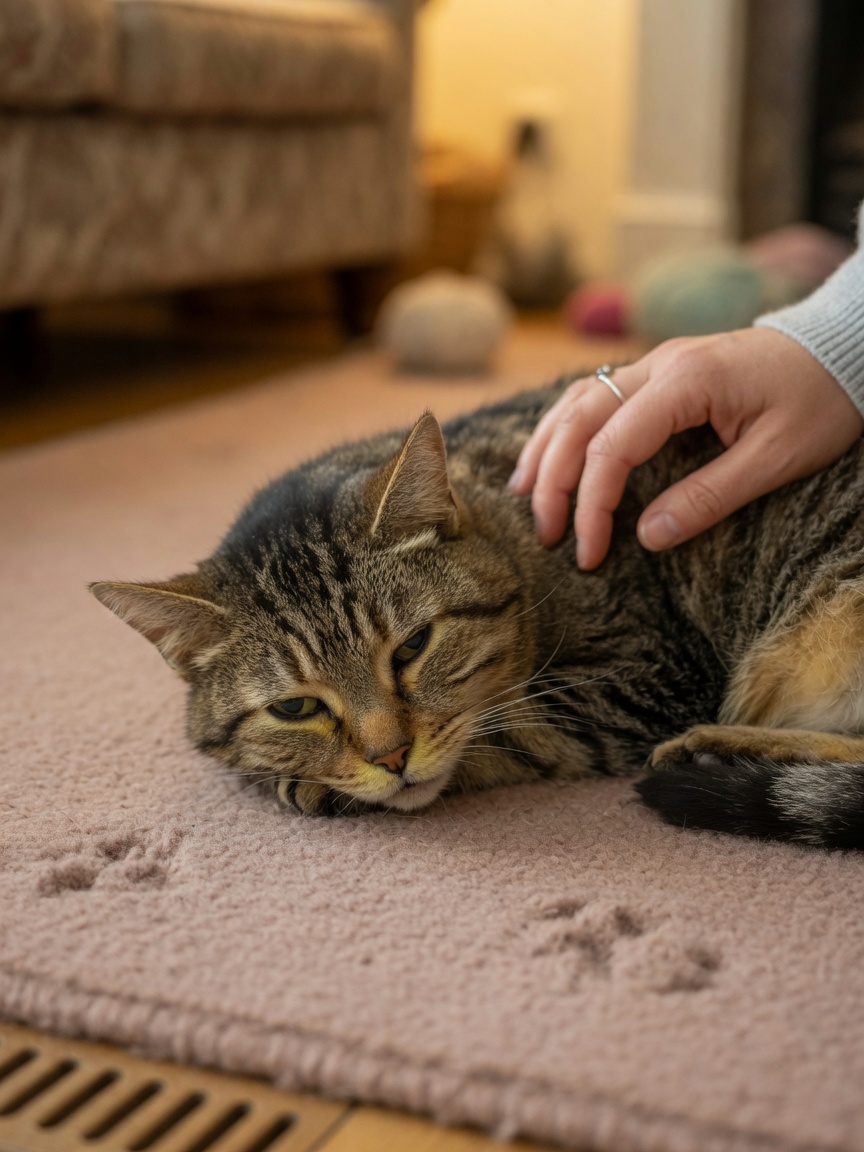
A cat that skips a meal but is otherwise bright, active, and interested in its surroundings is a different clinical picture from a cat that is also lethargic, hiding, or showing other symptoms. The accompanying signs help determine urgency.
Contact your vet promptly — do not wait — if your cat is also:
- Vomiting repeatedly or showing signs of nausea (drooling, lip-licking)
- Not drinking or showing signs of dehydration (pinched skin that does not spring back, dry or tacky gums)
- Straining in the litter tray or producing no urine
- Visibly losing weight rapidly
- Hiding persistently or unresponsive to interaction
- Showing signs of pain or distress
- Jaundiced — yellow tinge to the skin, eyes, or gums
Practical Steps While You Monitor a Cat That Is Off Its Food
If your cat has missed one or two meals and otherwise seems well, there are some simple steps worth trying before concluding there is a medical issue:
Warm the food slightly. The temperature of food affects how strongly it smells, and scent drives appetite in cats. Warming wet food to approximately body temperature can prompt a disinterested cat to eat. Try a different food texture — some cats that refuse wet food will accept pate, or vice versa. Offer a small amount of a strongly scented food such as tuna in spring water or warmed chicken broth (unsalted) to stimulate interest.
Check the bowl location. Cats prefer to eat somewhere they feel safe, away from the litter tray and away from areas of high household traffic. A stressed cat may eat readily once moved to a quieter spot.
If the cat lives with other animals, try feeding in a separate room to rule out competition-related stress.
Kittens and Senior Cats: Lower Threshold for Concern
It bears repeating that the safe window for inappetence is shorter at the extremes of age. Kittens have minimal energy reserves and can deteriorate from hypoglycaemia within hours of not eating. Senior cats are more likely to have underlying conditions that are exacerbated by food refusal, and they are also more prone to developing hepatic lipidosis.
If your kitten has not eaten for 12 hours or your senior cat has refused two consecutive meals, phone your vet rather than waiting to see what happens.
Do Not Wait and Hope
The instinct to give it another day is understandable — particularly for owners of cats who are genuinely picky eaters. But the biological reality is that cats do not respond well to prolonged food restriction, whether voluntary or enforced. The risk of hepatic lipidosis, combined with the possibility that inappetence is signalling an underlying condition, means that early veterinary assessment is nearly always the right call. A vet can identify causes that would not be apparent from observation alone and intervene before a manageable problem becomes a serious one.