
What Is Cat Dandruff?
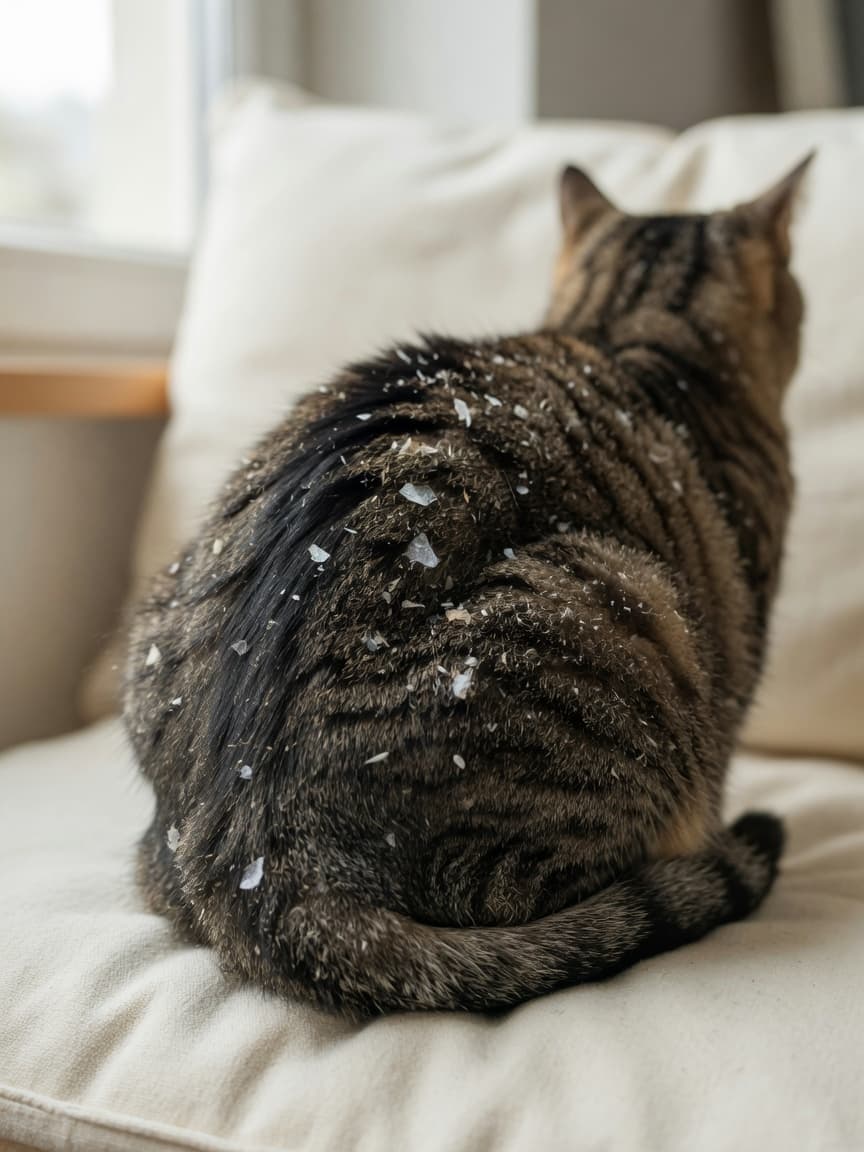
Dandruff in cats — medically referred to as seborrhoea — is the accumulation and shedding of dead skin cells from the surface of the skin. You will typically notice it as white or grey flakes visible in the coat, particularly along the back and base of the tail. Some flakes may fall onto dark furniture or clothing, making the problem easier to spot.
A small amount of flaking is entirely normal. Skin cells are continuously produced and shed as part of regular renewal. It only becomes a problem when the process accelerates beyond normal, producing visible flakes alongside symptoms such as itching, coat dullness, or skin irritation. At that point, it warrants investigation rather than simply aesthetic concern.
It is also worth distinguishing dandruff from a condition known as walking dandruff, or cheyletiellosis — a highly contagious mite infestation that produces flakes that appear to move (because the mites are carrying them). If your cat's dandruff seems unusually mobile or is accompanied by significant itching, see a vet promptly as this requires specific antiparasitic treatment.
Common Causes of Cat Dandruff
Dry Air and Environmental Conditions
Low humidity — particularly common in centrally heated homes during winter — dries out the skin just as it does in humans. The skin compensates by overproducing surface cells, which then shed visibly as flakes. Cats that spend time near radiators or in very dry rooms are particularly prone to this type of dandruff, which tends to worsen in the cooler months.
Poor Nutrition
The skin and coat are reliable indicators of nutritional status. A diet lacking in essential fatty acids, particularly omega-3 and omega-6 fats, produces a dull, dry coat and a compromised skin barrier that flakes more easily. Low-quality dry foods with inadequate fat content or excessive plant-based fillers are common culprits. Dehydration — especially in cats who eat primarily dry food and do not drink adequate water — also contributes to dry skin.
Obesity and Reduced Grooming Ability
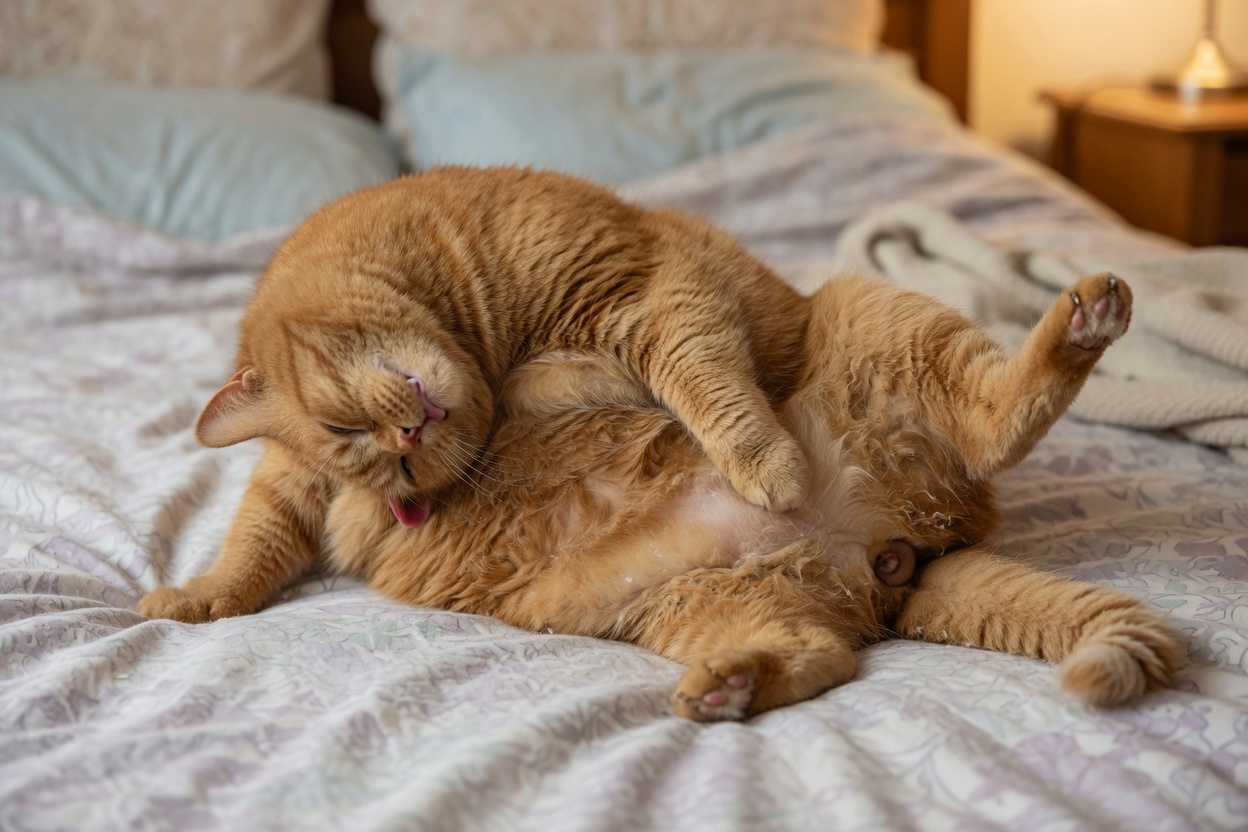
Overweight cats often struggle to reach their lower back, base of the tail, and hindquarters for grooming. The lack of mechanical stimulation from grooming causes dead skin cells and sebum — the skin's natural oil — to accumulate rather than being distributed evenly through the coat. Dandruff in the posterior half of an overweight cat is a classic presentation and is often paired with matting in the same areas.
Allergies
Both food and environmental allergies can disrupt the skin barrier, resulting in inflammation, itching, and excessive flaking. Cats with allergic skin disease often show dandruff alongside other symptoms such as over-grooming, recurrent ear infections, or gastrointestinal signs. Flea allergy dermatitis is again worth mentioning here — even very light flea infestations can drive significant skin disruption in sensitive individuals.
Fungal or Bacterial Skin Infections
Secondary skin infections can develop when the skin barrier is already compromised, worsening existing dandruff and causing additional scaling, crusting, or redness. Ringworm can also present with flaky, scaly patches that resemble dandruff, which is one reason it is important not to assume all flaking is benign.
Underlying Health Conditions
Conditions such as hyperthyroidism, diabetes mellitus, and kidney disease can all affect coat and skin quality in cats. Older cats are at greater risk of these systemic conditions, and new-onset dandruff in a senior cat should prompt a vet visit to rule out an underlying illness.
Home Treatments That Can Help
Once your vet has confirmed that the dandruff is not caused by parasites, infection, or systemic illness, there are several practical steps you can take at home to improve the situation.
Improve the Diet
Switching to a high-quality, complete cat food with real animal protein as the primary ingredient and adequate fat content is one of the most impactful steps you can take. If your cat eats primarily dry food, consider incorporating wet food into their diet to increase moisture intake. Omega-3 fatty acid supplementation — typically via fish oil — has good evidence supporting improvements in skin barrier function and coat quality. A typical starting dose for cats is around 20 to 55mg of EPA and DHA per kilogram of body weight daily, but always confirm the dose with your vet before supplementing.
Increase Ambient Humidity
A humidifier in the rooms where your cat spends the most time can meaningfully reduce environmentally driven dry skin, particularly during winter. Aim for indoor humidity of around 40 to 50 percent. This simple change sometimes produces noticeable coat improvement within a few weeks.
Brush Regularly
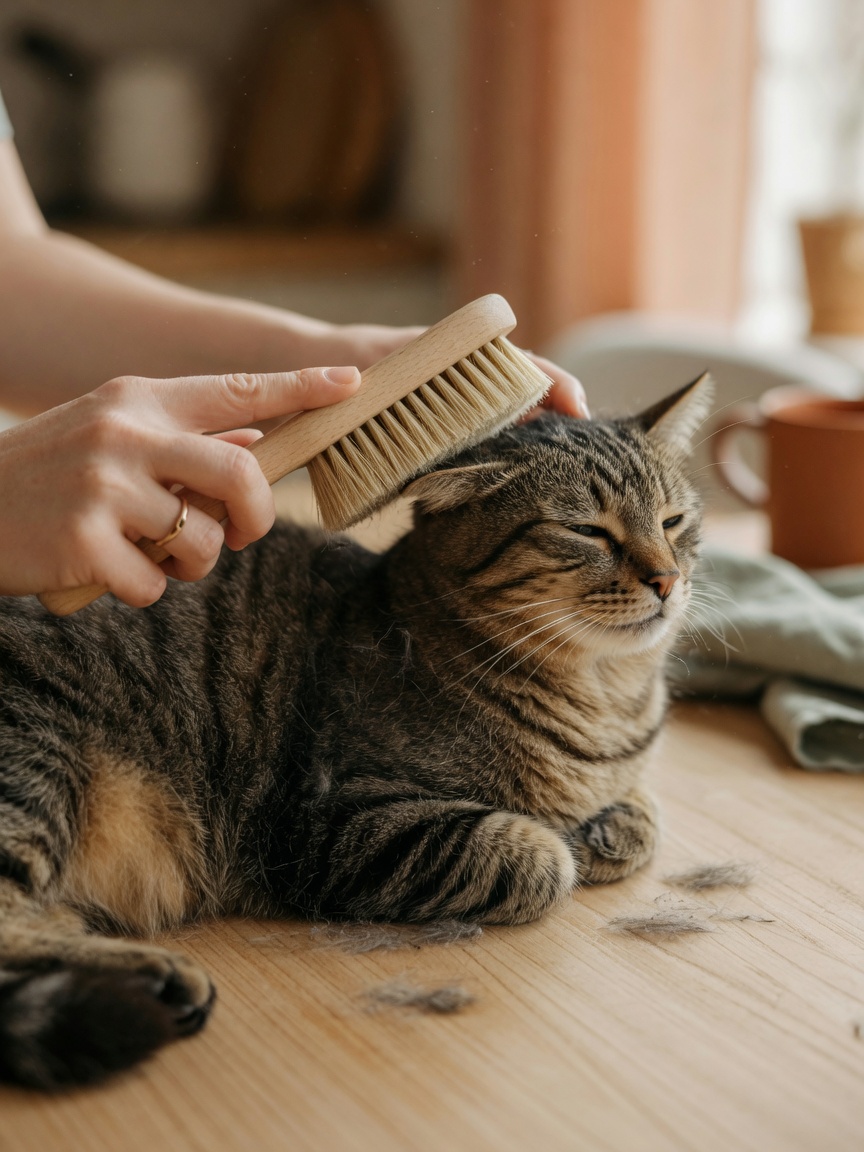
Regular brushing removes loose flakes, stimulates the skin's oil glands, and distributes sebum more evenly through the coat. For a dandruff-prone cat, brushing three to four times per week is a reasonable minimum. Use a soft-bristle brush or a rubber grooming mitt to avoid irritating already-sensitive skin.
Consider a Specialised Shampoo
Veterinary-formulated moisturising or antiseborrhoeic shampoos can help manage scaling in cats that tolerate bathing. Most cats are not enthusiastic about baths, so this should be approached with patience, warm water, and ideally a professional groomer's involvement if your cat is particularly resistant. Never use human dandruff shampoos on cats — ingredients such as zinc pyrithione and coal tar are toxic to cats.
When Home Treatment Is Not Enough
If dandruff persists despite dietary improvements and regular grooming, or if it is accompanied by hair loss, skin sores, intense itching, or behavioural changes, a vet visit is the appropriate next step. Some causes of cat dandruff will not resolve without prescription treatment, and delaying that treatment can allow underlying conditions to progress. A healthy skin barrier is a fundamental part of your cat's overall health — keeping it in good condition is well worth the attention.