
Cat Constipation: Causes, Remedies, and When to Seek Help
Constipation — difficulty passing faeces or infrequent bowel movements — is a relatively common problem in cats. While a single episode of constipation can often be managed at home with simple measures, recurrent or severe constipation can indicate a serious underlying problem and must be assessed by a veterinarian. In the most severe cases, constipation can progress to obstipation (complete inability to pass faeces) or megacolon, both of which are medical emergencies.
How Often Should a Cat Defecate?
Most healthy cats defecate once or twice daily. A cat that has not passed faeces for more than 48 to 72 hours is constipated. Owners of cats that use outdoor litter areas may not easily monitor this — be alert to signs of straining in the litter box, hard dry stools, or signs of abdominal discomfort.
Causes of Constipation in Cats
Constipation has many possible causes, which can be broadly categorised as follows:
Dehydration
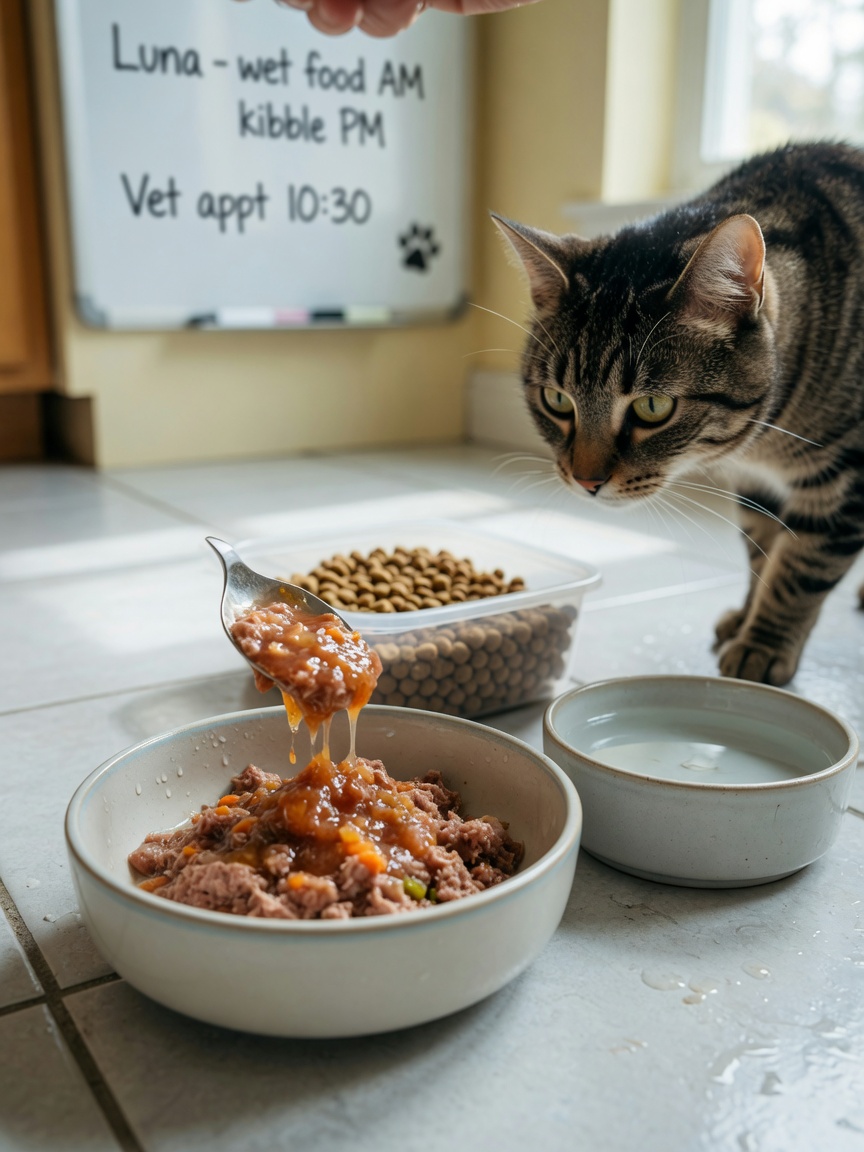
Dehydration is the single most common cause of feline constipation. The colon's primary function is water absorption, and when a cat is chronically dehydrated, the colon extracts excessive water from the faecal material, producing hard, dry stools that are difficult to pass. Cats evolved as desert animals and have a relatively low drive to drink water. This means cats fed exclusively on dry kibble often exist in a state of chronic mild dehydration, predisposing them to constipation. Switching wholly or partially to wet food dramatically increases daily water intake.
Low Dietary Fibre
Insufficient dietary fibre reduces intestinal motility and faecal bulk, making passage of stool more difficult. Certain types of soluble and insoluble fibre — including psyllium husk and beet pulp — can improve colonic motility when incorporated into the diet.
Hairballs
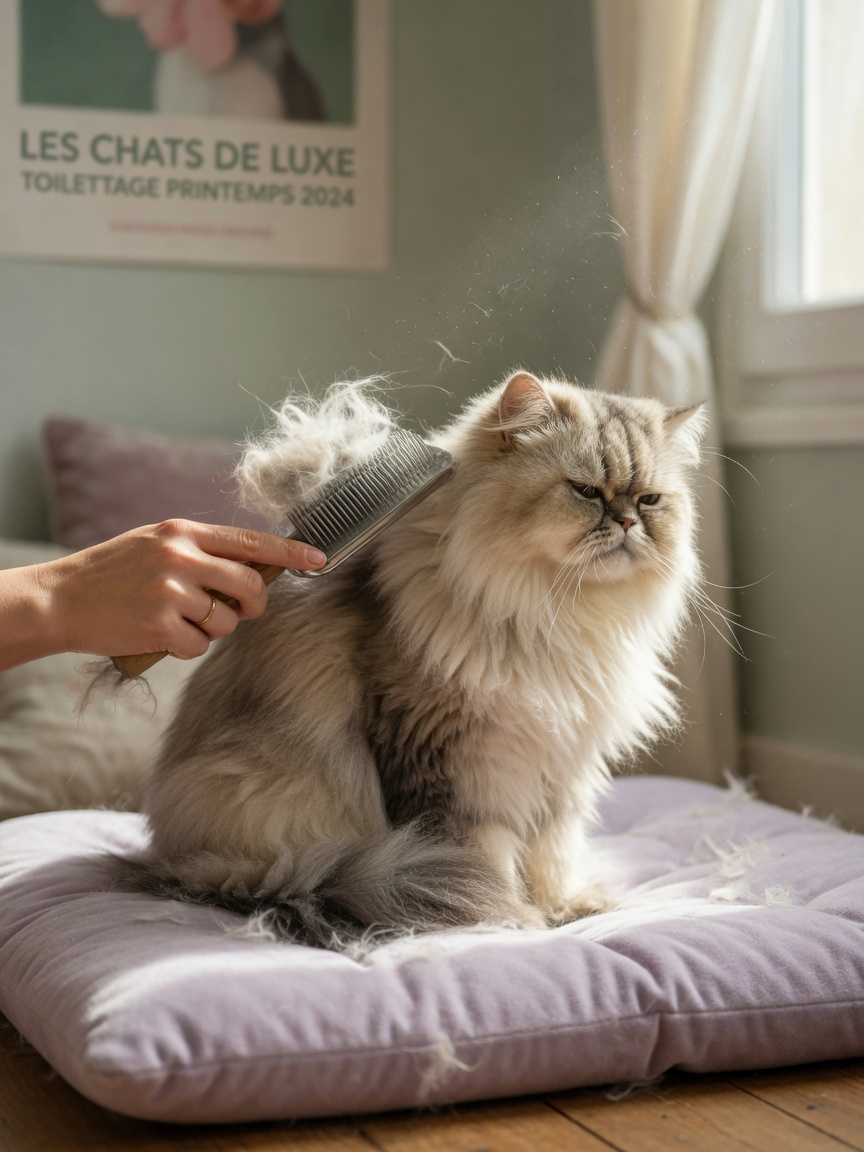
Accumulation of ingested fur in the intestinal tract can contribute to obstruction and constipation, particularly in long-haired breeds such as Persians and Maine Coons. Regular grooming to reduce ingested hair is an important preventive measure.
Obstruction
Foreign bodies (bones, string, toy components), intestinal tumours, pelvic fractures causing a narrowed pelvic canal, and perineal hernias can all cause mechanical obstruction that produces constipation. These require veterinary investigation and treatment.
Pain During Defecation
Cats with anal gland disease, perianal wounds, or arthritis (making the squatting posture painful) may avoid defecating due to pain, leading to constipation. Treatment of the underlying pain is central to resolution.
Neurological Causes
Damage to the nerves supplying the colon — from spinal cord injury, Manx cat sacral abnormalities, or dysautonomia — can reduce colonic motility and cause constipation or megacolon.
Metabolic Disease
Hypokalaemia (low blood potassium), hypercalcaemia (high blood calcium), and hypothyroidism (rare in cats) can all impair colonic motility.
When Simple Constipation Becomes Serious: Megacolon and Obstipation
Obstipation refers to complete inability to pass faeces, often with a grossly distended colon packed with hard, dry faecal material. Megacolon is a condition in which the colon becomes permanently dilated and loses its muscular ability to contract effectively, leading to recurrent, severe constipation. Idiopathic megacolon in cats has no identified cause and is a chronic, progressive condition. It is most common in middle-aged to older male cats.
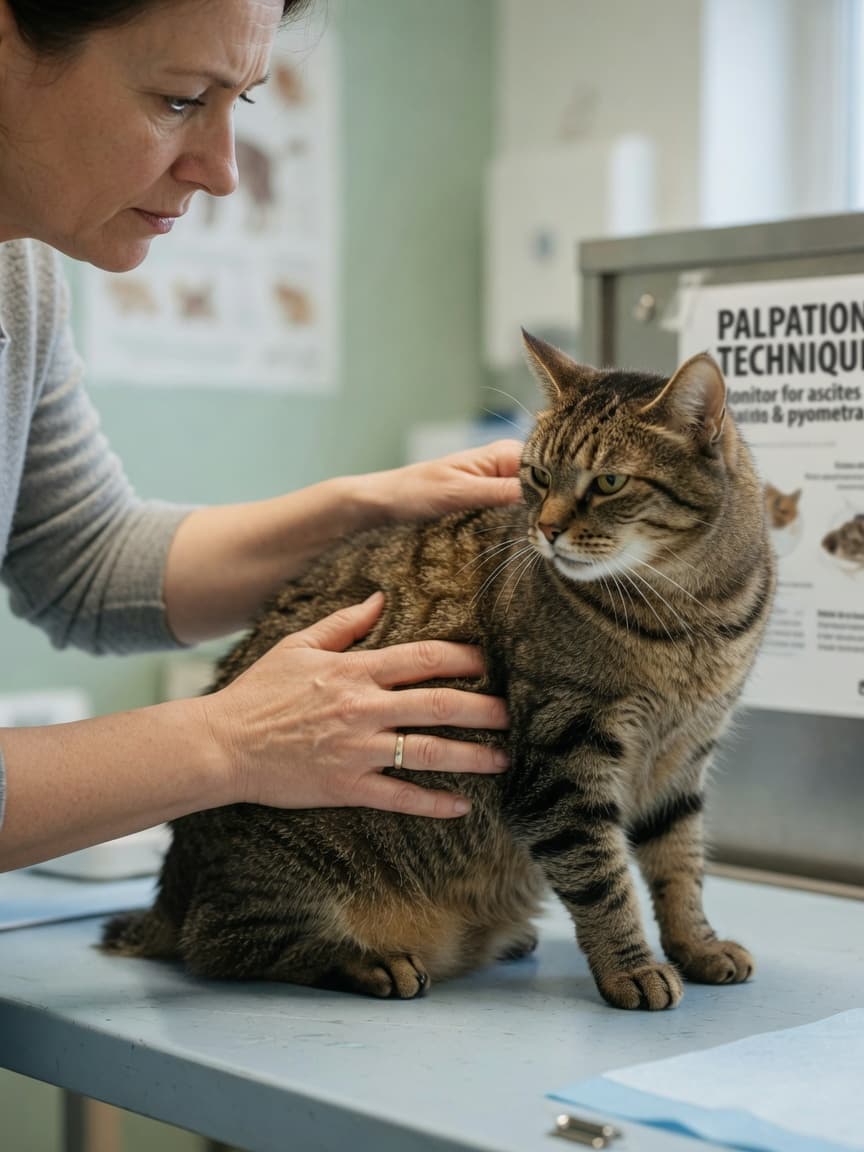
Signs of obstipation or megacolon include repeated unproductive straining in the litter box (which can be mistaken for a urinary problem), vocalising during attempts to defecate, a visibly distended abdomen, lethargy, vomiting, and reduced appetite. This is a veterinary emergency.
Home Care for Mild Constipation
For a cat with occasional mild constipation and no signs of systemic illness, the following measures are appropriate:
- Increase water intake — switch to wet food, offer a water fountain (cats are attracted to moving water), and ensure fresh water is available at multiple locations
- Dietary fibre — a small amount of pure canned pumpkin (not sweetened pie filling), psyllium husk, or a commercial hairball diet may help
- Litter box hygiene — cats are fastidious and may avoid a dirty litter box; clean it at least once daily
- Exercise and enrichment — physical activity stimulates colonic motility; interactive play sessions daily are beneficial
Premium wet food ranges suitable for cats with digestive sensitivities, including high-moisture options, are available at Zooplus and can make a significant difference to cats prone to constipation.
Veterinary Treatments
For moderate to severe constipation, veterinary intervention is required:
- Lactulose — an osmotic laxative that draws water into the colon, softening stools; available in oral syrup form and well-tolerated by most cats
- Lactulose and polyethylene glycol (PEG/Macrogol) — both safe for long-term use in cats under veterinary supervision
- Enemas — must be performed by a veterinarian; some enema preparations (including those containing phosphate or sodium) are toxic to cats and must never be used at home
- Manual removal (de-obstipation) — under general anaesthesia for severely impacted cats; followed by long-term management to prevent recurrence
- Cisapride — a prokinetic drug that increases colonic motility; highly effective in cats with megacolon when combined with lactulose
- Subtotal colectomy — surgical removal of most of the colon; reserved for severe, refractory megacolon cases; produces excellent long-term outcomes despite typically causing soft stools post-operatively
When to Seek Emergency Veterinary Care
Contact your veterinarian same-day or seek emergency care if your cat is straining repeatedly without producing faeces, appears distressed or in pain, has not eaten in more than 24 hours, is vomiting in association with straining, or has a visibly distended abdomen. Do not attempt to administer enemas at home.