
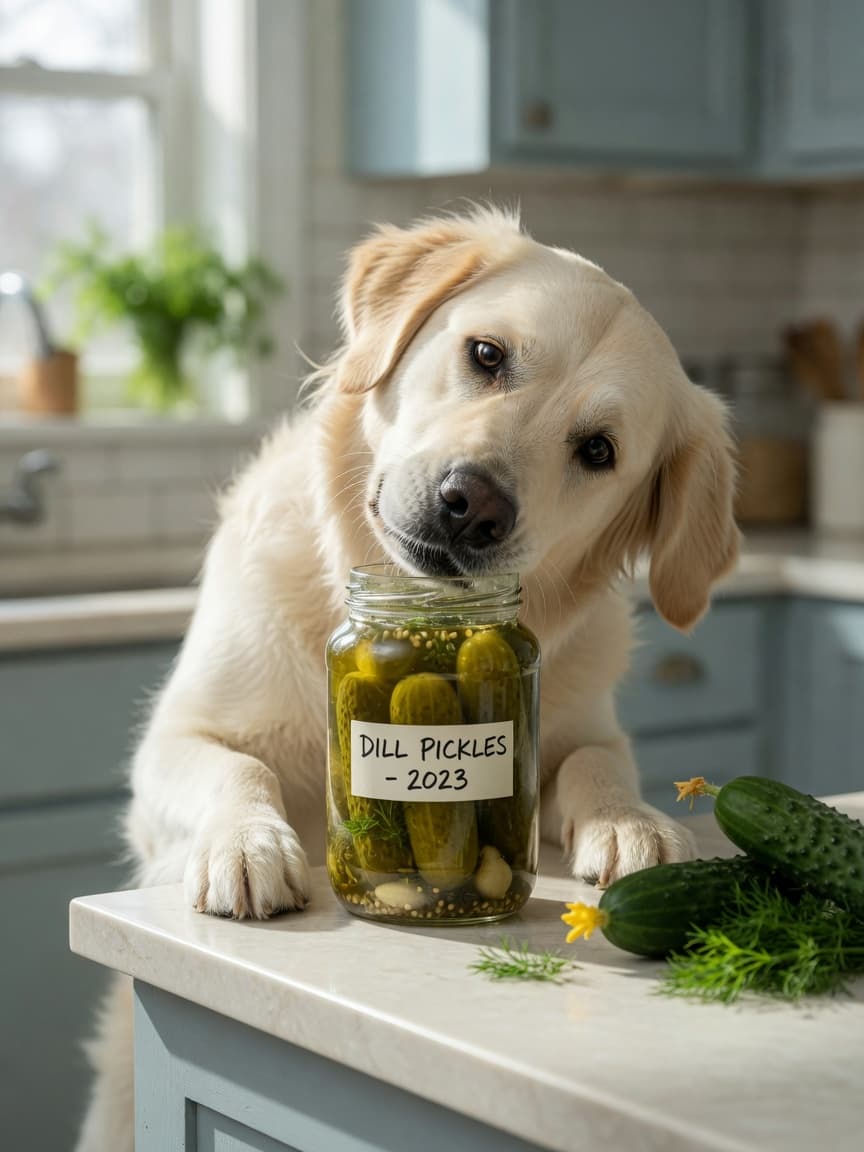
Can Dogs Eat Pickles? Sodium Overload
Key Takeaways
- Pickles are excessively high in sodium — even a single pickle can exceed a small dog's daily sodium allowance.
- Spiced and dill pickles often contain garlic or onion powder, which are toxic to dogs and cause haemolytic anaemia.
- Vinegar is a GI irritant and is not appropriate for regular canine consumption.
- Plain cucumber (unpickled) is completely safe and a far better option if you want to share a similar snack.
- If your dog accidentally eats a small piece of plain dill pickle, monitor closely — one small piece is unlikely to cause serious harm in a large dog, but sodium accumulation is a real risk.
Why Pickles Are Problematic for Dogs
Pickles seem innocuous — after all, they are simply cucumbers preserved in brine. And cucumbers themselves are excellent for dogs: low calorie, hydrating, crunchy, and completely non-toxic. But the pickling process strips away what makes cucumber appealing and adds three categories of risk: extreme sodium, acidic vinegar, and spices that may include compounds toxic to dogs.
Understanding the specific hazards of pickles helps explain why this is not merely an "everything in moderation" situation. For dogs with certain health conditions, even a small piece of pickle could trigger a medical problem. For all dogs, pickles offer zero nutritional benefit that cannot be obtained more safely from plain cucumber or other vegetables.
The Sodium Danger
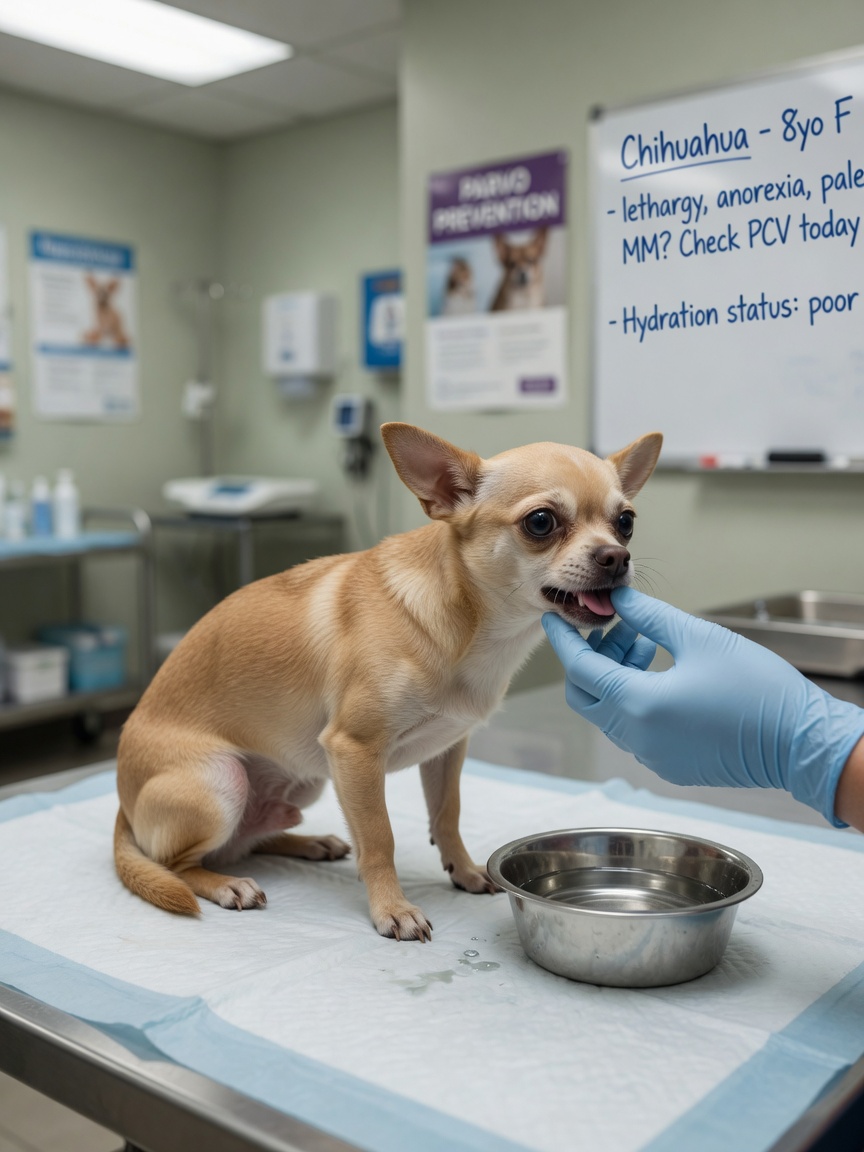
The most immediate and universal concern with pickles is their sodium content. Pickling brine is a concentrated salt solution, and the vegetable absorbs a significant portion of that sodium during the preservation process. A single medium dill pickle spear (about 35 g) can contain 300–500 mg of sodium. To put that in perspective:
- A 5 kg toy breed dog has a recommended daily sodium intake of approximately 50–100 mg.
- A 15 kg medium dog has a recommended daily intake of roughly 200 mg.
- A 30 kg large dog has a recommended daily intake of approximately 400 mg.
A single pickle spear could therefore deliver five to ten times a small dog's entire daily sodium allowance in one bite. Even for large dogs, one pickle spear approaches or exceeds the daily recommendation before the day has even begun.
Short-term consequences of excessive sodium include intense thirst, increased urination, and restlessness. In more significant amounts, or in dogs with pre-existing kidney or heart disease, sodium overload can cause fluid retention, hypertension, and sodium ion toxicosis — a serious condition with symptoms including vomiting, diarrhoea, muscle tremors, and seizures. Dogs on sodium-restricted diets for cardiac or renal disease should be kept completely away from pickles.
Garlic and Onion in Pickles: A Toxic Ingredient
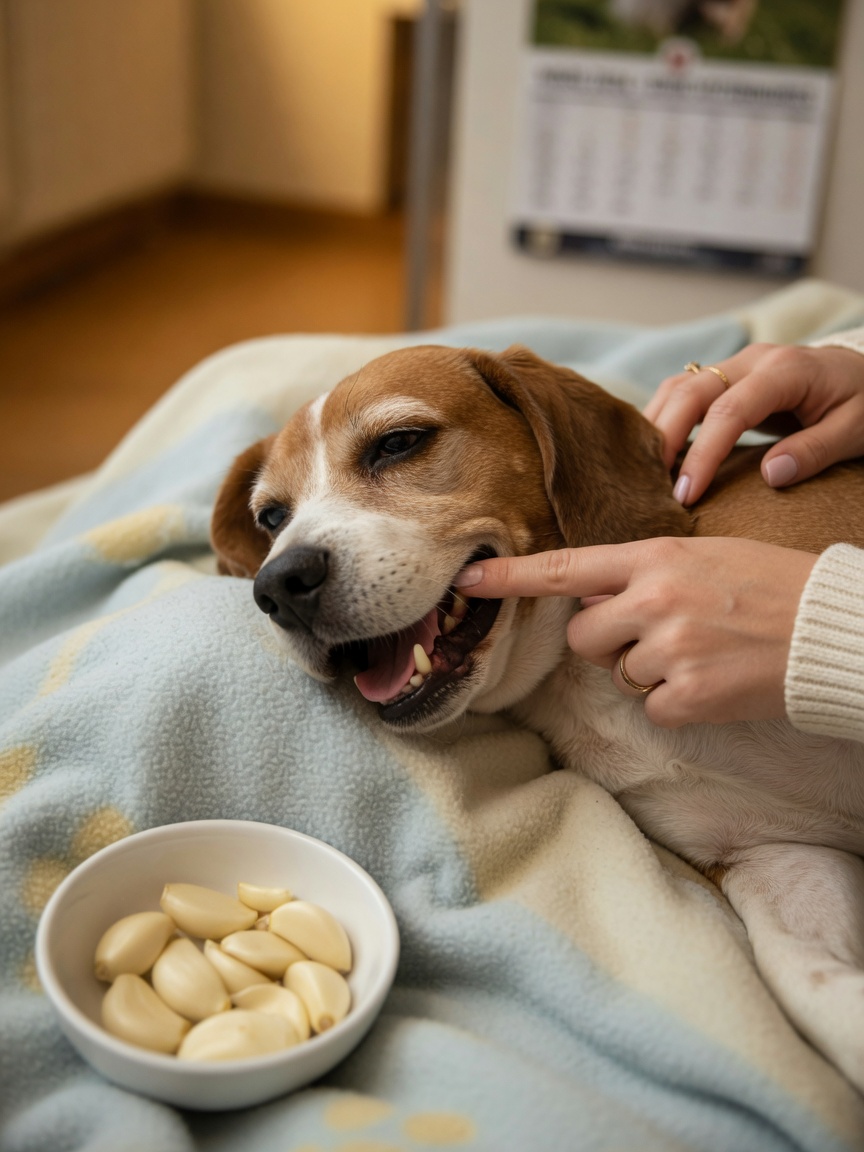
Many popular pickle varieties contain garlic as a flavouring — this is true of classic dill pickles, bread-and-butter pickles, and virtually all "spicy" pickle varieties. Some commercial pickle brands also include onion powder or dried onion flakes. Both garlic and onion belong to the Allium genus and contain N-propyl disulfide and related organosulfur compounds that cause oxidative damage to canine red blood cells.
In dogs, Allium toxicity causes Heinz body haemolytic anaemia — a condition in which red blood cells are destroyed faster than they can be replaced. Symptoms include pale or yellowish gums, weakness, lethargy, rapid breathing, reduced appetite, and dark or discoloured urine. Garlic is approximately five times more potent than onion by weight in dogs. Clinical signs may not appear until 3–5 days after ingestion, making it easy for owners to miss the connection.
Even "garlic-free" pickles should be checked carefully, as cross-contamination or shared production lines may introduce trace amounts.
Vinegar and Spiced Pickles
The vinegar base of pickling brine has a pH of roughly 2.4–3.4 — highly acidic. While vinegar is not acutely toxic to dogs, regular ingestion can irritate the mucosal lining of the oesophagus, stomach, and intestines. Dogs with pre-existing GI conditions, gastritis, or acid reflux sensitivity may experience significant discomfort from even small amounts. Spiced pickle varieties add additional layers of risk — chilli, mustard seed, coriander, and other spices are poorly tolerated by many dogs and may cause vomiting or diarrhoea.
What About Dill? Is Dill Safe for Dogs?
Dill itself — the herb — is considered safe for dogs in small amounts. Dill contains flavonoids with mild antioxidant properties and has even been traditionally used to soothe digestive discomfort. However, the presence of dill in a pickle does not make that pickle safe. The sodium and vinegar content of a dill pickle far outweigh any mild benefit from the dill herb. If you want to offer your dog a dill-flavoured experience, a small fresh sprig of dill on their food is perfectly safe — the pickle jar is not.
Plain cucumber is the safe, crunchy alternative — but if you're looking for rewarding treat ideas, browse Zooplus's low-sodium natural dog treats for options your dog will love without the health risks.
My Dog Ate a Pickle — What Should I Do?
If a healthy large dog stole a small piece of plain dill pickle (no garlic), the most likely outcome is increased thirst and possibly mild stomach upset. Ensure fresh water is available and monitor for the next 12 hours. If the pickle contained garlic or onion, or if a small dog consumed a significant amount, contact your veterinarian. Describe exactly which type of pickle was consumed and estimate the quantity as precisely as possible. Do not wait for symptoms to appear — Allium toxicity has a delayed onset.
The Better Alternative: Plain Cucumber
Plain, raw cucumber is one of the best vegetables you can offer a dog. It is 95% water, extremely low in calories (16 kcal per 100 g), free from any harmful compounds, and has a satisfying crunch that many dogs enjoy. Slice it thin or cut into sticks — it is an ideal low-calorie treat for dogs watching their weight, and perfectly safe for diabetic, senior, and puppies alike. Let the pickle jar be for human use only.
Scientific References
- Lee KW, Yamato O, Tajima M, Kuraoka M, Omae S, Maede Y. Hematologic changes associated with the appearance of eccentrocytes after intragastric administration of garlic extract to dogs. American Journal of Veterinary Research. 2000;61(11):1446–1450. PMID: 11108193
- Grapes M, Bischoff K, Kinne J. Sodium and water homeostasis in health and disease: a clinical review. Veterinary Clinics of North America: Small Animal Practice. 2017;47(2):405–425. PMID: 27866593