
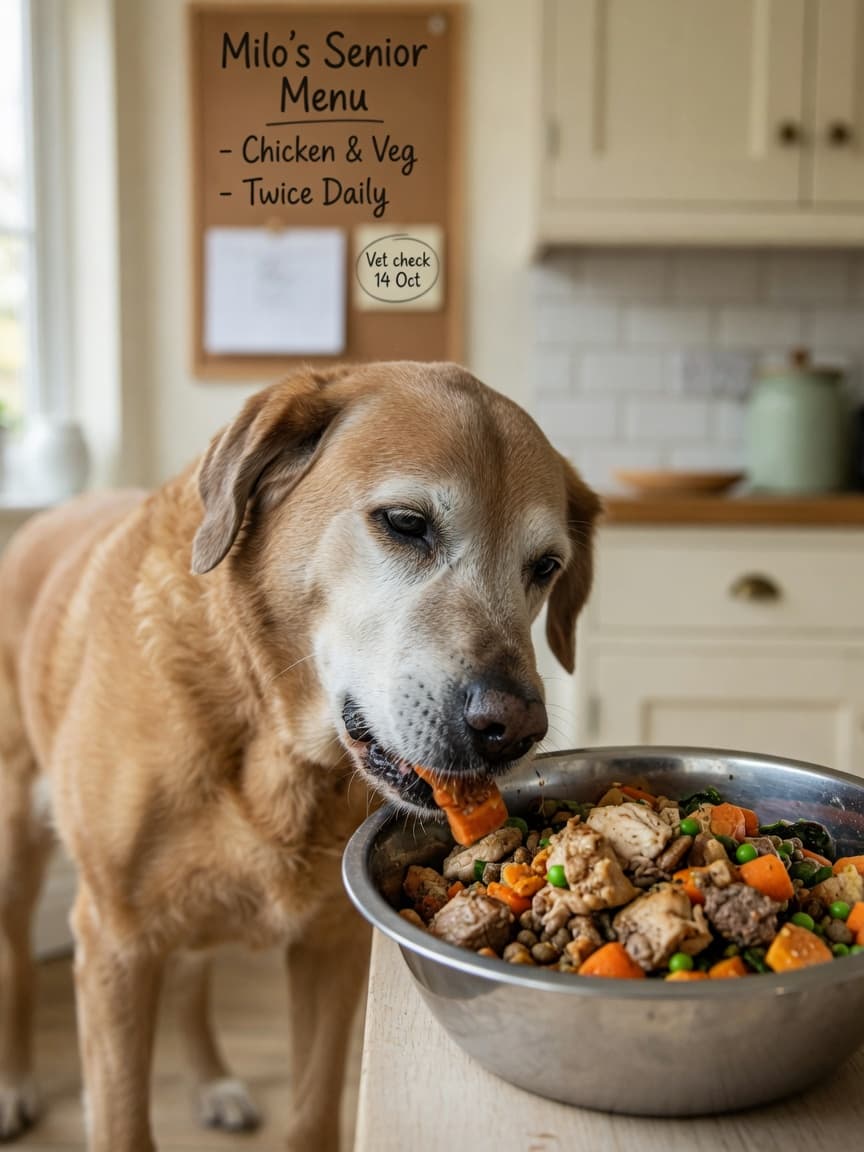
Senior Dog Diet: Nutritional Needs After Age 7
By Julia Wrenfield, Pet Wellness Researcher — June 25, 2026
- When dogs become seniors: Around age 7 for most breeds; giant breeds as early as 5–6
- Key nutritional priorities: Protein quality, controlled phosphorus, joint-supporting nutrients, fiber, hydration
- Common mistake: Cutting protein too aggressively in older dogs — most need MORE, not less
- Vet check frequency: Every 6 months recommended for dogs over 7
When your dog crosses the threshold into their senior years — typically around age 7 for medium breeds, and as early as 5 for giant breeds like Great Danes — their nutritional requirements begin to shift in ways that many owners don't fully anticipate. The changes are subtle at first: a little slower to rise in the morning, a little less enthusiasm for the stairs, a coat that's lost some of its shine. But underneath these outward signs, the body's metabolic demands are genuinely changing, and what you put in your dog's bowl every day has a direct bearing on how well they age.
This guide covers the key nutritional pillars for senior dogs, based on current veterinary nutrition science, so you can make informed decisions about your older companion's diet.
The Protein Paradox: Senior Dogs Need More, Not Less
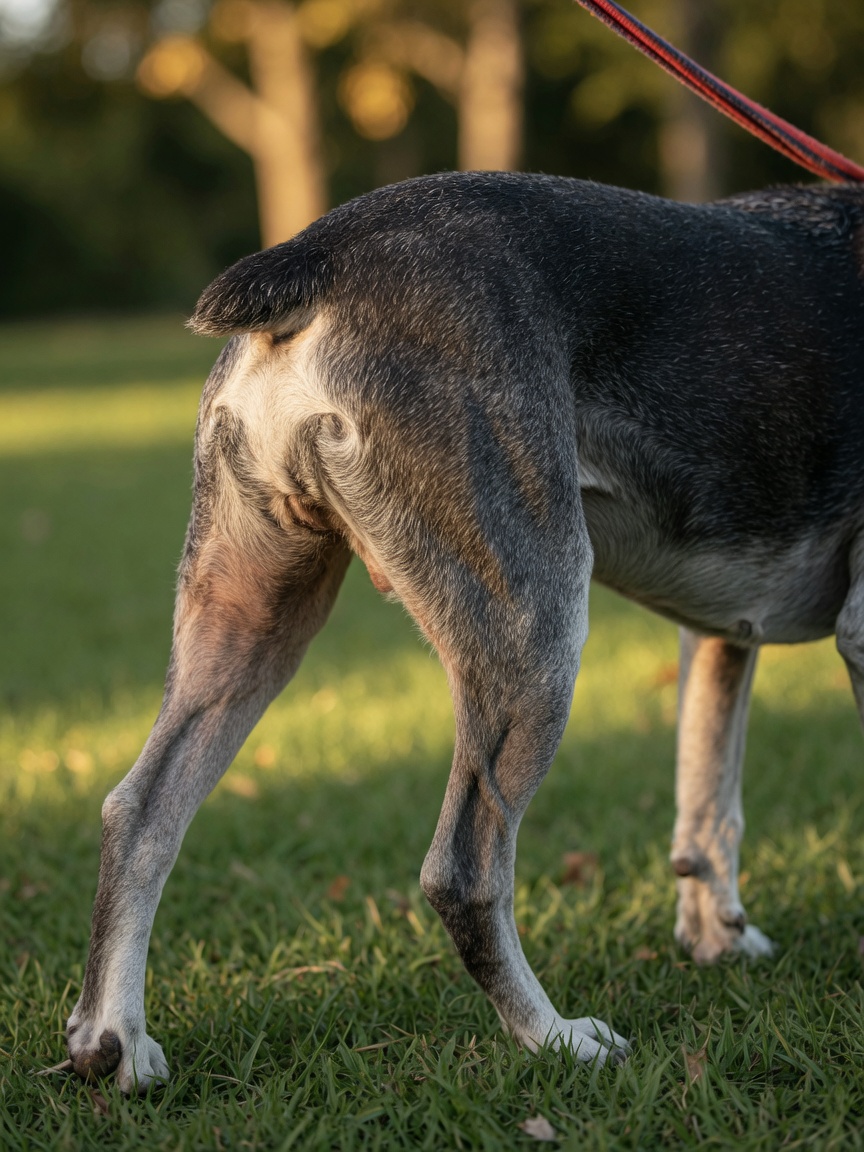
One of the most persistent myths in pet nutrition is that senior dogs should be fed low-protein diets to protect their kidneys. Unless your dog has already been diagnosed with chronic kidney disease (CKD) and your vet has specifically recommended protein restriction, this advice is outdated and potentially harmful.
Research published in the Journal of Nutrition demonstrated that older dogs actually have a reduced ability to synthesize protein efficiently compared to younger adults. This means that to maintain lean muscle mass — which becomes increasingly difficult to preserve as dogs age — older dogs may require protein at the higher end of the recommended range, or even above it.
Muscle loss (sarcopenia) in senior dogs isn't just a cosmetic issue. Lean muscle mass supports joint stability, immune function, and overall metabolic health. Dogs who become too thin in their senior years are at greater risk for poor surgical outcomes, slower recovery from illness, and reduced quality of life.
What to look for: A senior dog food should list a named animal protein (chicken, salmon, lamb, beef) as its first ingredient. Aim for crude protein content of at least 25–30% on a dry matter basis. If your dog has confirmed kidney disease, work with your vet to find the appropriate protein level for their specific stage of CKD.
Calorie Control: Adjusting for a Slower Metabolism
While protein needs may increase, total calorie requirements often decrease in senior dogs. Reduced activity levels and a slower basal metabolic rate mean that feeding the same portions as you did when your dog was a busy 3-year-old can lead to gradual weight gain — and excess weight puts enormous additional stress on ageing joints, the cardiovascular system, and the liver.
A rough guideline is that senior dogs may need 20–30% fewer calories than their adult peak, though this varies considerably by breed, individual health status, and activity level. A lean body condition score (BCS) of 4–5 on a 9-point scale is the target: you should be able to feel the ribs easily without pressing hard, but not see them prominently.
Senior-specific dog foods are generally formulated with this in mind, offering lower caloric density while maintaining adequate protein. However, some very active senior dogs — working breeds, dogs who still run daily — may not need calorie restriction at all. Assess the individual animal, not just the age category.
Joint-Supporting Nutrients: Building Your Dog's Internal Scaffolding
Osteoarthritis affects an estimated 20% of dogs over age 1, and the prevalence rises sharply in older populations. Even dogs who aren't overtly limping may have subclinical joint discomfort that affects their willingness to exercise and their overall demeanour.
Several nutrients have a meaningful evidence base for joint support:
| Nutrient | Role | Evidence Level |
|---|---|---|
| Glucosamine & Chondroitin | Supports cartilage structure and joint fluid viscosity | Moderate — beneficial in multiple canine studies |
| Omega-3 Fatty Acids (EPA & DHA) | Anti-inflammatory; reduces cytokines associated with joint breakdown | Strong — well-established in veterinary literature |
| Green-Lipped Mussel | Source of unique omega-3s and glycosaminoglycans | Moderate — positive results in several trials |
| Vitamin E & C | Antioxidant protection for joint tissues | Supportive — reduces oxidative stress markers |
Look for a senior dog food that incorporates these nutrients, or discuss targeted supplementation with your veterinarian.
Phosphorus: Protecting the Aging Kidney
Even in dogs without a formal kidney disease diagnosis, kidney function naturally declines with age. The kidneys lose nephrons — the functional filtration units — over a lifetime, and by the time a dog is visibly showing signs of kidney disease, they may have already lost 65–75% of their renal reserve.
Dietary phosphorus management is one of the most important interventions for preserving kidney health in senior dogs. High phosphorus intake accelerates kidney damage in dogs with existing CKD, and emerging research suggests that moderating phosphorus earlier — before disease is detectable — may be protective.
Most senior dog foods are formulated with reduced phosphorus compared to standard adult formulas. If you feed a home-cooked diet, it's worth having your vet run periodic blood and urine panels (including creatinine, BUN, and SDMA) to monitor kidney function and adjust phosphorus intake accordingly.
Fiber and Digestive Health
Senior dogs frequently experience changes in gut motility and microbiome diversity. Constipation can become more common, as can episodes of loose stool linked to reduced digestive enzyme production. A diet with adequate dietary fiber — from sources such as beet pulp, psyllium, or vegetables — helps maintain healthy transit time and supports a balanced gut flora.
Prebiotic fibers specifically feed beneficial bacteria and have been associated with improved immune function and reduced systemic inflammation — both valuable benefits in an older dog. Some senior dogs also benefit from a probiotic supplement, especially those on long-term medications or those who experience frequent digestive upsets.
Hydration: The Overlooked Priority
Older dogs are at greater risk of dehydration. Reduced thirst sensation, dental pain that makes drinking uncomfortable, and kidney changes that reduce the body's ability to concentrate urine all contribute to this risk. Chronic low-grade dehydration compounds kidney stress and can affect cognitive function.
Strategies to improve hydration include adding warm water or low-sodium broth to kibble, transitioning partially or fully to a wet food diet, and providing multiple water stations around the home. A water fountain, which provides moving water that many dogs find more attractive, can also increase voluntary water intake significantly.
Choosing the Right Senior Dog Food
When selecting a commercial senior diet, prioritise products that carry an AAFCO nutritional adequacy statement for "maintenance" or "all life stages" — these have been formulated to defined standards. Look for WSAVA-compliant brands with dedicated nutritionists and transparent ingredient sourcing.
For a curated selection of high-quality senior dog foods formulated with the right protein levels, joint-supporting ingredients, and controlled phosphorus, Zooplus carries an extensive range of trusted senior dog nutrition products with competitive pricing and reliable delivery across Europe.
- Senior dogs generally need high-quality protein to maintain muscle mass — do not restrict unless kidney disease is confirmed
- Reduce total calorie intake to match lower activity levels and prevent obesity
- Look for glucosamine, chondroitin, and omega-3s for joint support
- Choose foods with controlled phosphorus to protect ageing kidneys
- Prioritise hydration: add water or broth to meals, consider wet food
- Schedule veterinary check-ups every 6 months from age 7 onward
References
- Laflamme DP. Nutrition for aging cats and dogs and the importance of body condition. Vet Clin North Am Small Anim Pract. 2005;35(3):713-742. PMID: 15833567.
- Larson BT, et al. Dietary fat and protein levels affect food intake and body composition in adult dogs. J Nutr. 2003;133(6):1913S-1916S. PMID: 12796099.
- Brown SA. Oxidative stress and chronic kidney disease. Vet Clin North Am Small Anim Pract. 2008;38(1):157-166. PMID: 18249249.