
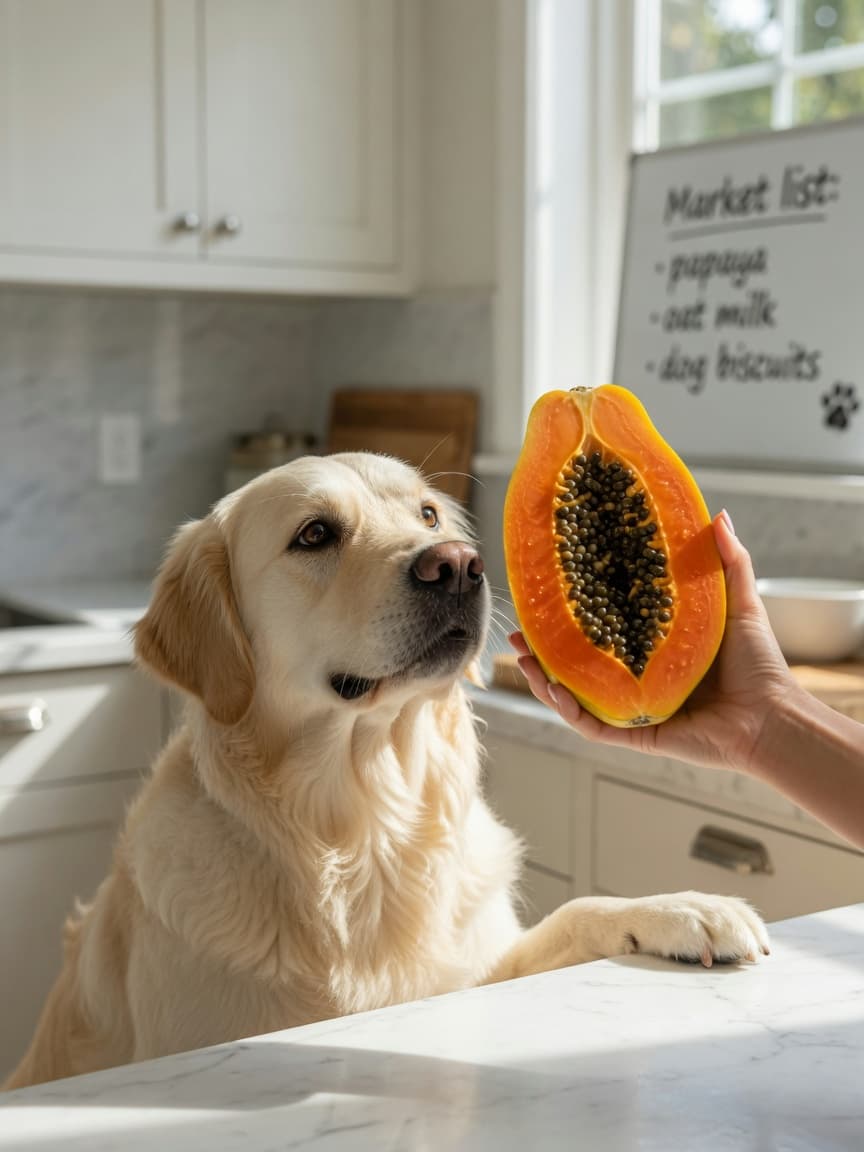
Can Dogs Eat Papaya?
Key Takeaways
- Fresh papaya flesh is safe for dogs and provides digestive enzymes, vitamins, and antioxidants.
- Always remove the seeds — they contain trace cyanogenic compounds and pose a choking risk.
- The skin is tough, hard to digest, and may cause gastrointestinal upset; discard it.
- Serve as a small, occasional treat — no more than 10% of daily caloric intake.
- Dogs with diabetes or weight issues should eat papaya sparingly due to natural sugar content.
Is Papaya Safe for Dogs?
Papaya is one of the tropical fruits that earns a genuine green light from veterinary nutritionists — provided you prepare it correctly. The edible flesh of a ripe papaya is non-toxic to dogs and contains a range of nutrients that can complement a balanced diet. Unlike grapes, raisins, or citrus fruits, papaya does not contain compounds known to cause systemic toxicity in dogs. That said, "non-toxic" does not mean "unlimited." Like any fruit, papaya is high in natural sugars and should be offered as an occasional treat rather than a dietary staple.
The key rule is simple: flesh only. Remove the seeds and the outer skin before offering any papaya to your dog, and cut the flesh into small, bite-sized cubes appropriate for your dog's size.
Nutritional Benefits of Papaya for Dogs
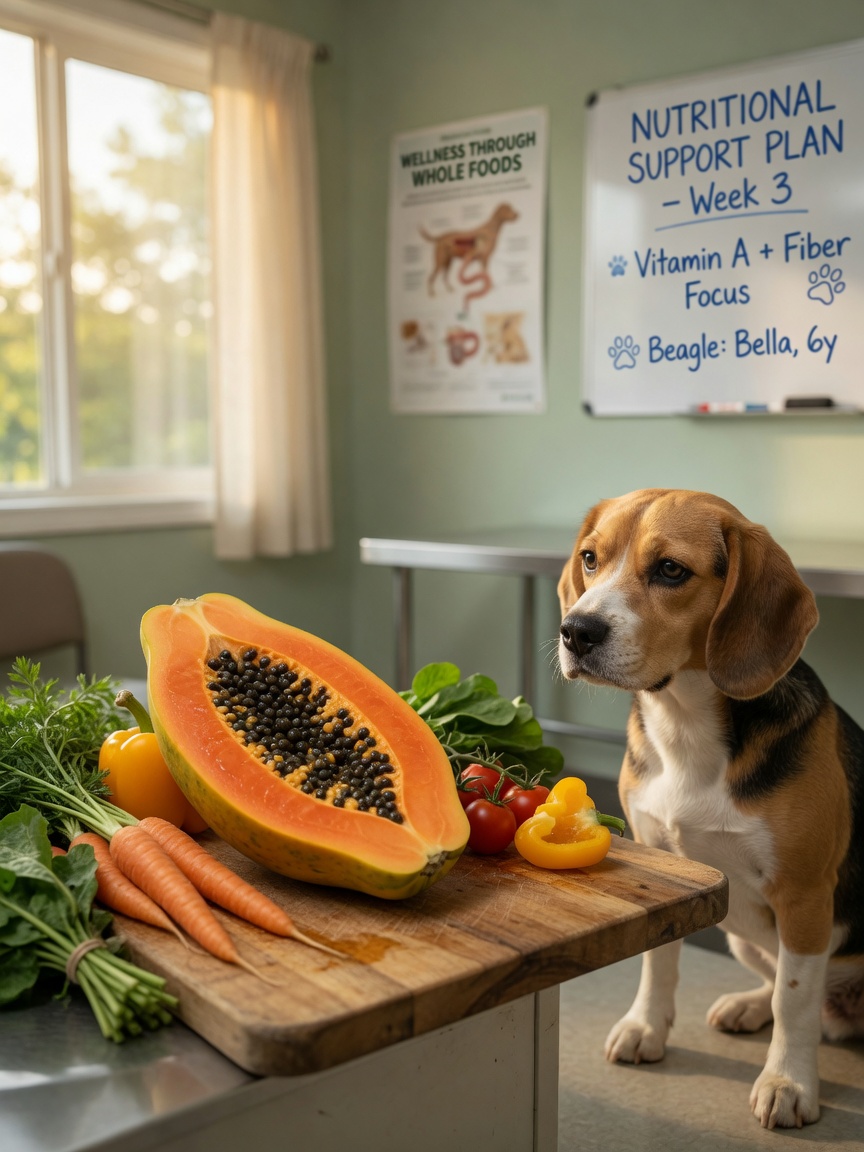
Papaya's standout nutrient is papain, a proteolytic enzyme found in the flesh and latex of the fruit. Papain breaks down protein molecules, which may support digestive efficiency — particularly in dogs that experience occasional bloating or sluggish digestion. While dogs produce their own digestive enzymes, supplemental papain from whole food sources can provide additional support, especially in older dogs whose enzyme production may decline.
Beyond papain, papaya is a meaningful source of:
- Vitamin A: supports eye health, immune function, and skin integrity. One cup of fresh papaya provides roughly 30% of the human RDA, and dogs benefit from carotenoid precursors similarly.
- Vitamin C: a potent antioxidant that helps neutralise free radicals and supports immune defence.
- Vitamin E: fat-soluble antioxidant that protects cell membranes from oxidative damage.
- Vitamin K: essential for blood clotting and bone metabolism.
- Folate: a B-vitamin critical for cellular repair and DNA synthesis — particularly important for pregnant or lactating dogs.
- Dietary fibre: supports healthy gut motility and beneficial microbiome populations.
Papaya also provides potassium, magnesium, and a range of carotenoids including beta-carotene and lycopene, which have antioxidant and anti-inflammatory properties relevant to long-term health maintenance.
Why the Seeds Must Be Removed
Papaya seeds are small, round, and peppercorn-like — and they present two distinct concerns for dogs. First, the seeds contain trace amounts of cyanogenic compounds (specifically benzyl isothiocyanate and related molecules) that, in large quantities, could theoretically contribute to toxicity. The amounts in a few seeds are unlikely to cause acute poisoning in a large dog, but there is no benefit to the risk, especially for small breeds or puppies where even trace exposure is magnified relative to body weight.
Second, the seeds are a mechanical hazard. They are hard enough to chip a tooth and slippery enough to present a choking risk, particularly in small dogs or fast eaters. Always scoop out all seeds before serving.
Why the Skin Should Be Discarded
The outer skin of a papaya is thick, fibrous, and coated with a latex-like sap that can cause digestive irritation in dogs. Unlike the flesh, it is not soft enough to break down easily in a dog's gastrointestinal tract, and ingestion can lead to nausea, vomiting, or diarrhoea. Stick exclusively to the ripe, orange inner flesh.
How to Serve Papaya to Your Dog
Preparation is straightforward:
- Choose a ripe papaya (orange flesh, yields slightly to pressure).
- Halve the fruit and scoop out all seeds and surrounding membrane with a spoon.
- Peel away the skin completely.
- Cut the flesh into small cubes — roughly 1 cm for medium dogs, smaller for toy breeds.
- Serve 1–3 cubes as an occasional treat, not daily.
Avoid dried papaya, papaya juice, or canned papaya in syrup — these are concentrated in sugar and offer far less nutritional benefit than the fresh fruit. Dehydrated papaya may also contain added sugars or preservatives inappropriate for dogs.
How Much Papaya Can a Dog Eat?
A helpful rule of thumb is the 10% treat rule: treats (including fruit) should make up no more than 10% of your dog's total daily caloric intake. For a 10 kg dog eating approximately 400 kcal per day, that is 40 kcal from treats. A 100 g serving of papaya contains roughly 43 kcal, so even a moderate serving covers the entire treat allowance for a medium dog. Keep portions small — a few cubes a couple of times per week is plenty.
Dogs with diabetes, pancreatitis history, or significant weight problems should receive papaya only with veterinary approval, given its natural fructose content.
Looking for natural, low-calorie treats for your dog? Browse Zooplus's range of grain-free, natural dog treats — carefully selected for dogs of all sizes and dietary needs.
Signs of Digestive Upset to Watch For
Even safe fruits can trigger a reaction in sensitive dogs, especially if introduced too quickly or in too-large quantities. Watch for vomiting, loose stools, excessive gas, or lethargy within a few hours of feeding papaya. If any of these occur, discontinue and consult your vet. Dogs with known food sensitivities or inflammatory bowel conditions should have any new food introduced under veterinary guidance.
Frequently Asked Questions
Can puppies eat papaya? Small amounts of papaya flesh are not toxic to puppies, but their digestive systems are more sensitive. Introduce very small pieces and monitor carefully. Always check with your vet before adding any new food to a puppy's diet.
Can dogs eat papaya seeds? No. Always remove seeds before serving — they contain trace cyanogenic compounds and present a choking and dental hazard.
Is papaya good for dog digestion? The papain enzyme in fresh papaya can support protein digestion and gut comfort. Some integrative vets recommend it for dogs with occasional digestive issues, though it is not a substitute for veterinary treatment of chronic conditions.
Scientific References
- Mehta A, Bhatt DL, Bhattacharya K. Papain and other plant-derived proteolytic enzymes: therapeutic and digestive applications. Food Chemistry. 2021;340:127903. PMID: 32949959
- Gayosso-García Sancho LE, Yahia EM, González-Aguilar GA. Identification and quantification of phenols, carotenoids, and vitamin C in papaya (Carica papaya L.) fruit determined by HPLC-DAD-MS/MS. Food Research International. 2011;44(5):1284–1291. PMID: 21687527