
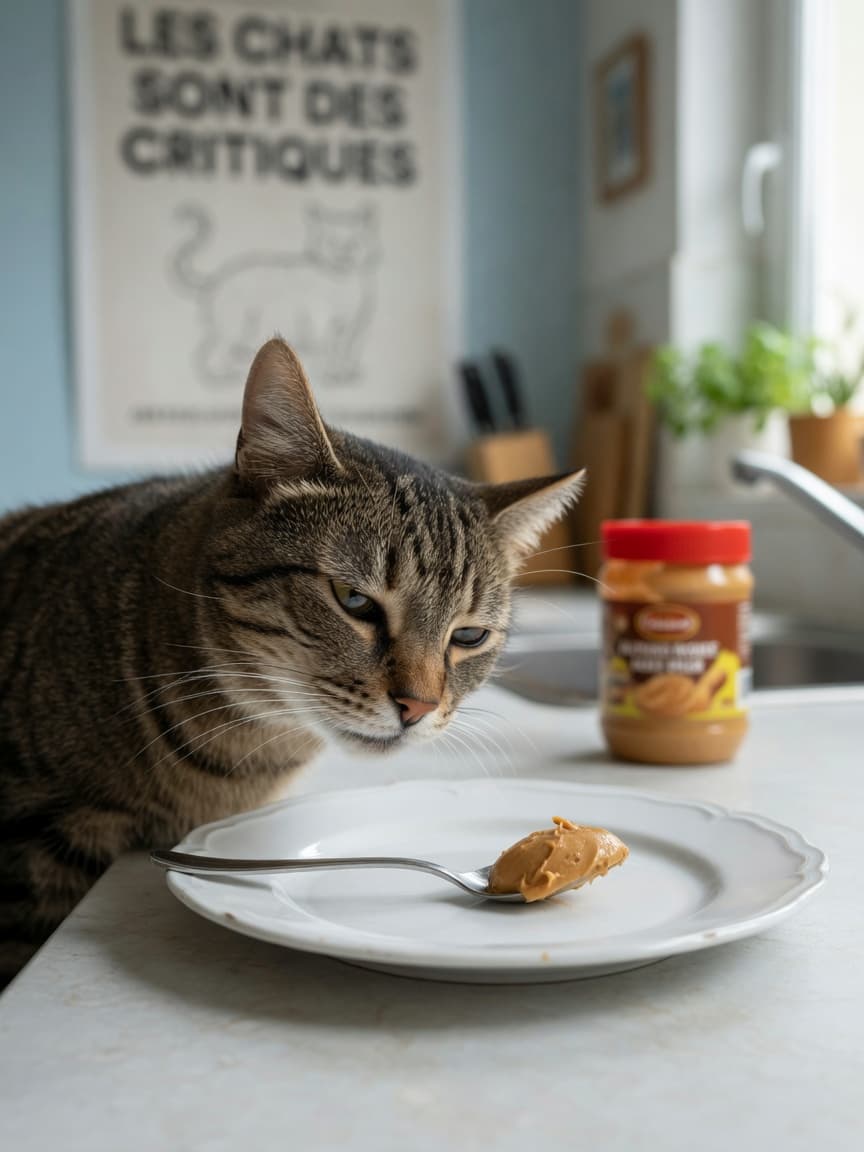
Peanut Butter and Cats: A Very Different Story to Dogs
Ask most dog owners about peanut butter and you will hear enthusiastic endorsement. It is a beloved treat, a pill-hiding staple, and the engine of countless enrichment activities. Ask the same question about cats, however, and the picture changes considerably — not just because of how cats tolerate the food, but because of how little most cats want it in the first place.
Is Peanut Butter Toxic to Cats?
Standard peanut butter made from roasted peanuts and nothing else is not acutely toxic to cats. Peanuts themselves are not on the list of foods that pose serious poisoning risk to felines. If your cat happens to lick a small amount from your finger or sniff your toast, you are unlikely to be heading to an emergency vet.
That reassurance comes with a significant caveat, however: peanut butter products vary enormously in their ingredients, and some varieties contain compounds that are genuinely dangerous. The most serious is xylitol, an artificial sweetener widely used in reduced-sugar and natural peanut butter products. Xylitol is acutely toxic to dogs and while the research on feline toxicity is less extensive, there is sufficient concern to treat it as hazardous to cats as well. Even small amounts of xylitol can cause dangerous drops in blood sugar and potential liver damage. Always read labels carefully before offering any peanut butter to a pet.
Why Cats Are Not Interested in Peanut Butter
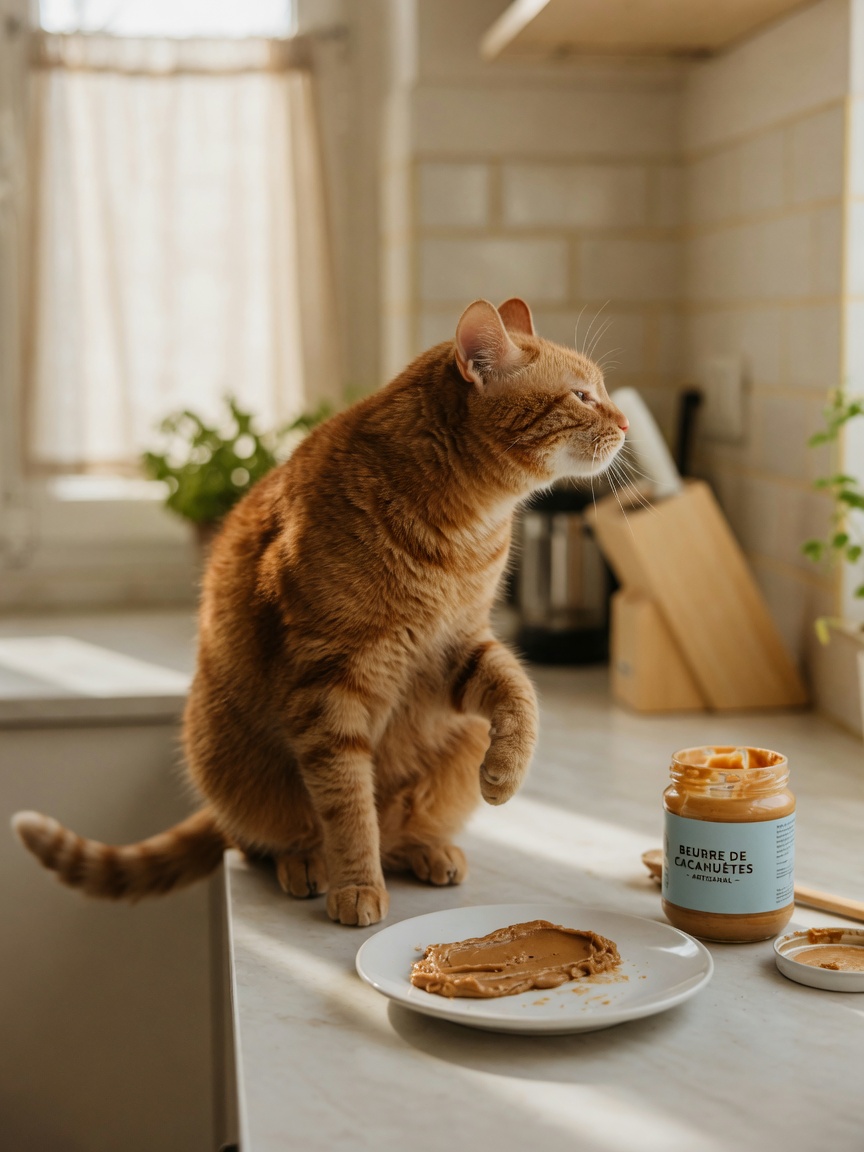
One of the most telling aspects of the peanut butter discussion is that most cats simply do not want it. Unlike dogs, who often approach peanut butter with barely contained enthusiasm, the majority of cats will sniff it and walk away. This is not accidental — it reflects a fundamental aspect of feline biology.
Cats lack functional sweet taste receptors. Research published in scientific literature has confirmed that cats have a mutation in the gene responsible for sweet taste perception, meaning they genuinely cannot taste sweetness the way humans or dogs can. Peanut butter's mild sweetness and the sugar compounds in peanuts offer no appeal to a cat's palate.
Cats are also strongly driven by the smell of animal protein. Peanut butter, being plant-derived, simply does not carry the olfactory signals that trigger a cat's appetite. The sticky texture may also be off-putting to cats, who typically prefer foods with textures closer to prey — moist, meaty, and easy to manage with their tongues and teeth.
Nutritional Considerations
Even setting aside toxicity and preference, peanut butter is not nutritionally suited to cats. The protein in peanut butter is plant-based, and cats are obligate carnivores whose digestive systems are designed specifically to extract nutrition from animal tissue. Plant proteins have a different amino acid profile and are less bioavailable for cats than meat-based proteins.
Peanut butter is also high in fat, which in small quantities is not catastrophic but contributes unnecessary calories with little feline nutritional benefit. The sugar content, even in unsweetened varieties, exceeds what a cat's diet should include. Cats have limited ability to process carbohydrates compared to omnivores, and their metabolic systems are not optimised for plant-derived fats and sugars.
Additionally, some cats are sensitive or allergic to peanuts, just as some humans are. Allergic reactions in cats can manifest as skin irritation, gastrointestinal upset, or in severe cases, more serious systemic responses. Since peanut allergy in cats is genuinely possible and peanut butter offers no dietary advantage, there is little reason to introduce the risk.
The Choking and Aspiration Risk
Peanut butter's thick, sticky consistency presents a physical hazard that is worth noting. Cats have relatively narrow airways compared to their body size, and sticky foods that adhere to the palate or throat can theoretically cause choking or aspiration — where food material enters the airway rather than the oesophagus. While this is more commonly discussed in relation to dogs, the concern is relevant for cats too, particularly if they attempt to swallow a glob of peanut butter without adequate chewing.
What About Using Peanut Butter to Administer Medication?
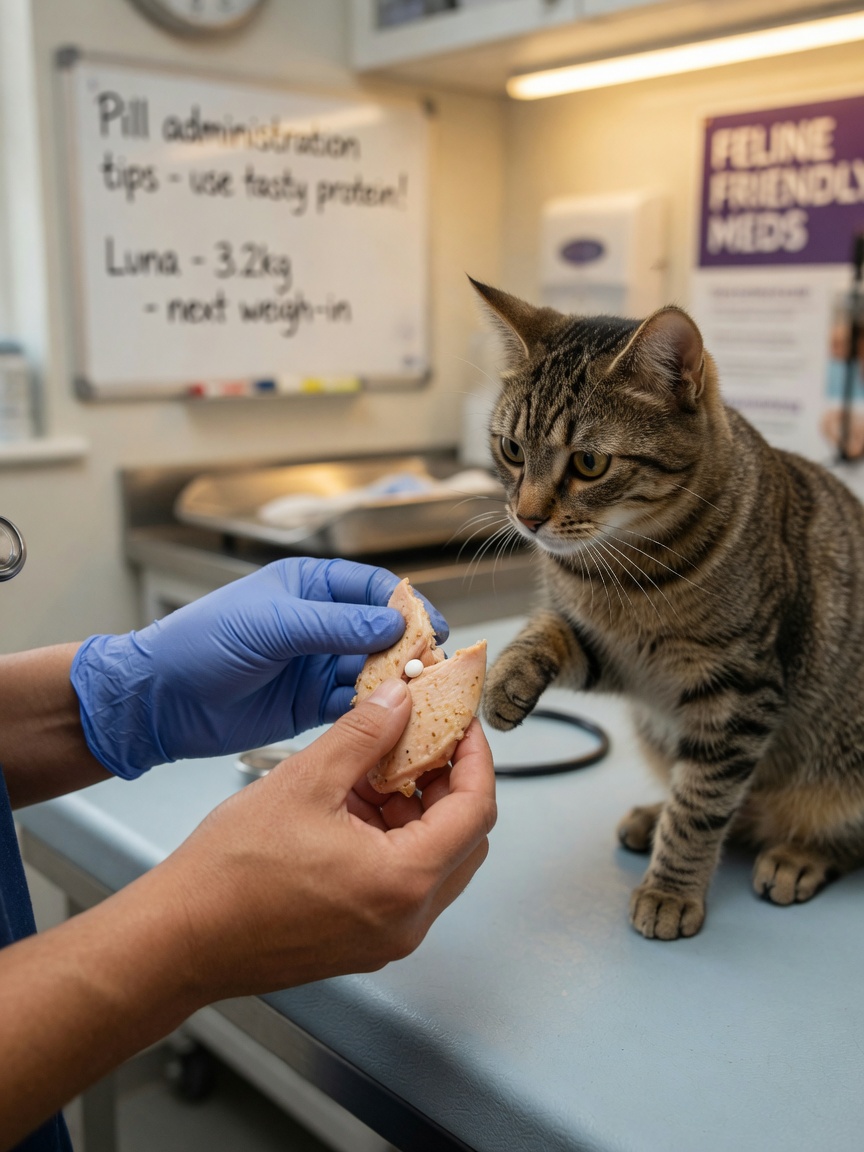
With dogs, peanut butter is a classic medication vehicle. With cats, it is a poor choice for two reasons. First, most cats are not interested enough in peanut butter to eat it willingly, which defeats the purpose of using it as a disguise. Second, the risks outlined above mean it is not an ideal delivery mechanism even for cats that do show interest.
Better alternatives for hiding medication in cats include small amounts of plain cooked chicken, a tiny piece of tuna, a sliver of cooked plain meat, or specialised pill pockets designed for cats. These options align with feline dietary preferences and carry fewer concerns than peanut butter.
High-Risk Peanut Butter Ingredients to Watch
If you do encounter a rare cat that shows genuine interest in peanut butter, checking the ingredient label is essential. Avoid any product containing:
- Xylitol or birch sugar — acutely dangerous for pets
- Added salt — excessive sodium is problematic for cats, particularly those with cardiac or renal conditions
- Hydrogenated oils — trans fats with no nutritional value
- Chocolate flavouring — chocolate is toxic to cats
- Artificial sweeteners other than xylitol — many remain understudied in feline populations
The Practical Conclusion
Peanut butter occupies an odd space in feline food safety: not outright poisonous in its plain form, but offering no benefit, several genuine risks, and little appeal to the vast majority of cats. Nature has equipped cats to be largely indifferent to it, and that indifference is probably doing them a favour. If you are looking for a treat to offer your cat, there are far better options rooted in animal protein that suit their biology, taste preferences, and nutritional needs. Peanut butter is firmly in the category of foods best left to the species that actually want it.