
Eggs and Cats: A Surprisingly Good Match (With Caveats)
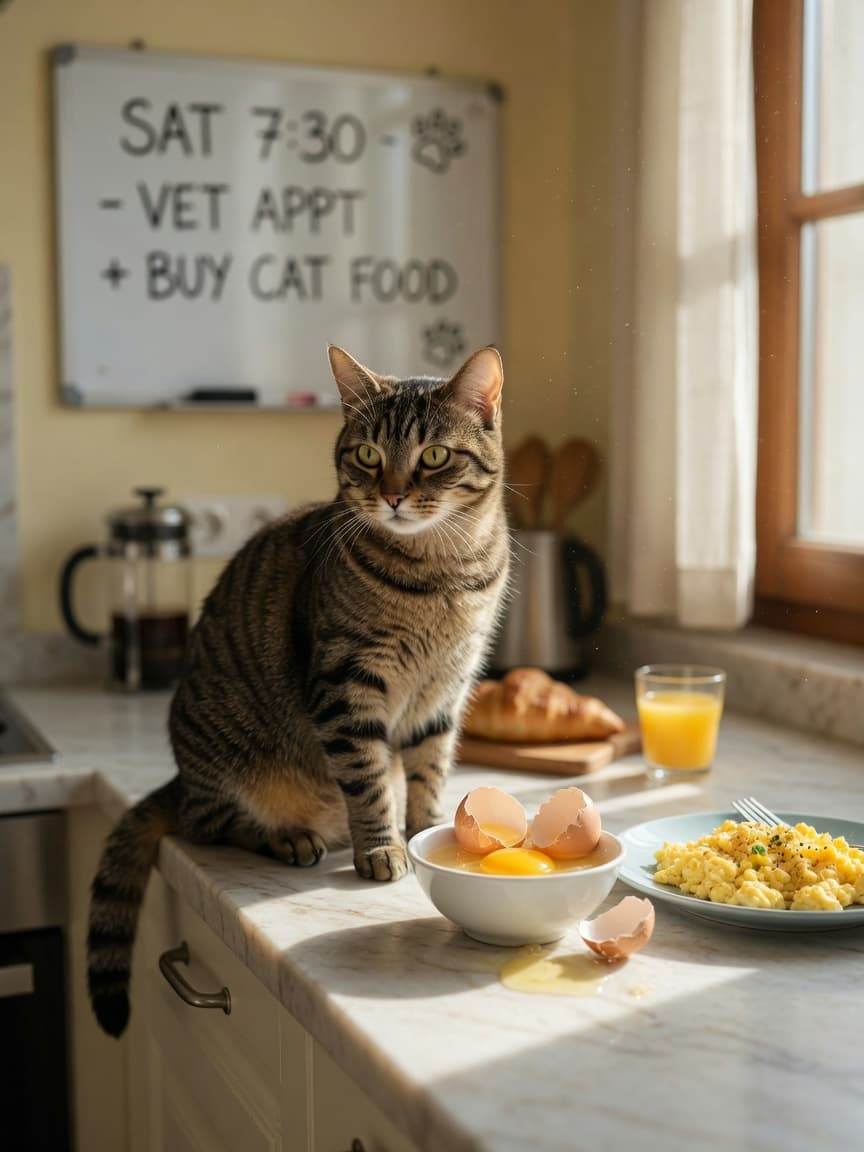
If you have ever cracked an egg at breakfast and found your cat staring up at you with that particular intensity they reserve for things they want, you may have wondered whether sharing a little is actually safe. The short answer is yes — eggs can be a genuinely nutritious addition to a cat's diet, provided you prepare them correctly. The longer answer involves a few important distinctions between raw and cooked, and some context about how eggs fit into obligate carnivore nutrition.
Why Eggs Are Nutritionally Valuable for Cats
Cats are obligate carnivores, meaning they derive all essential nutrients from animal-based protein. Eggs happen to be one of the most complete protein sources available, containing all the amino acids a cat requires, including taurine precursors, methionine, and arginine. The biological value of egg protein — a measure of how efficiently the body can utilise it — is exceptionally high compared with most other food sources.
Beyond protein, eggs provide:
- Vitamin B12, which supports neurological function and red blood cell production
- Riboflavin (B2), important for energy metabolism
- Selenium, an antioxidant mineral that plays a role in immune function
- Vitamin D, which cats struggle to synthesise from sunlight alone
- Choline, which supports liver health and brain development
The fat content in egg yolks also provides a concentrated energy source, which can be useful for underweight cats or those recovering from illness. However, because eggs are calorie-dense, portion control matters — more on that shortly.
Raw Eggs: The Risks You Need to Know
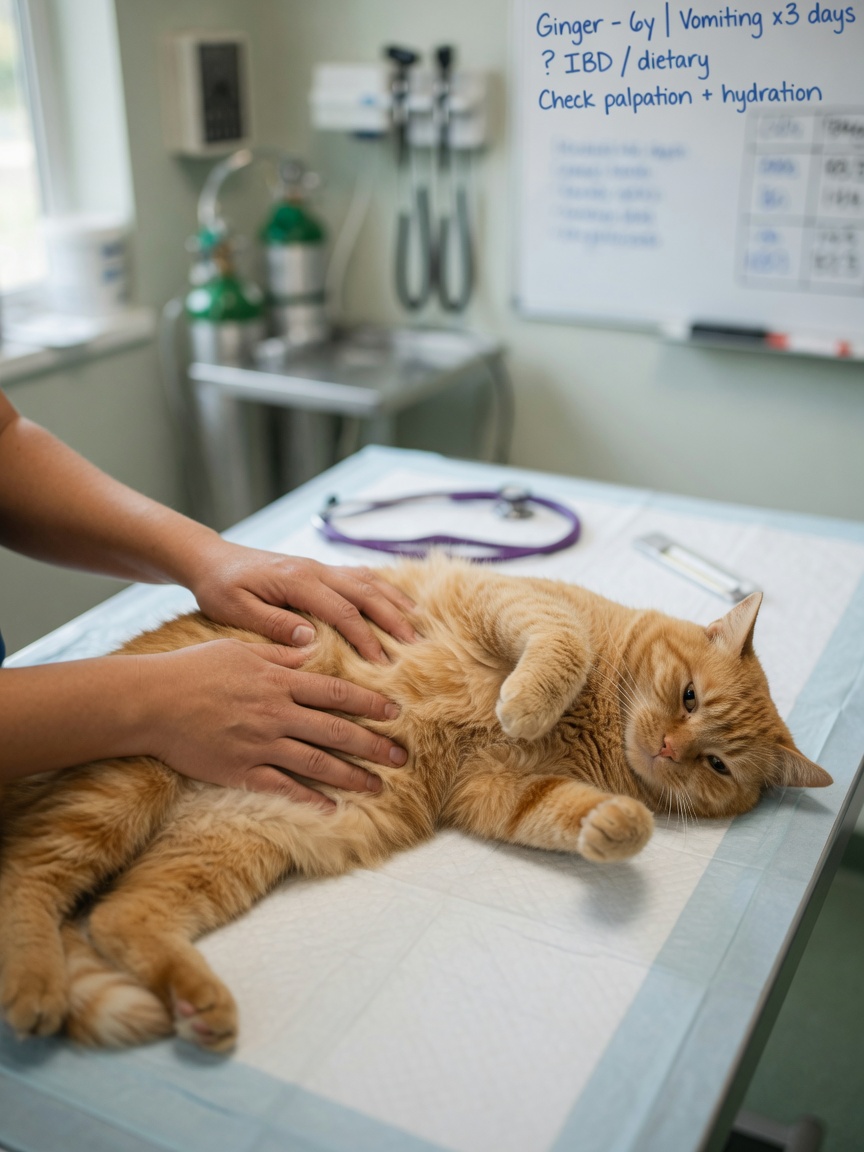
This is where things get more nuanced. Raw eggs carry two distinct risks that are worth taking seriously.
Salmonella and Bacterial Contamination
Raw eggs can harbour Salmonella and other bacteria. While cats have a shorter, more acidic digestive tract than humans — which offers some protection — they are not immune to bacterial infection. A cat with a weakened immune system, an underlying illness, or very young or very old age is particularly vulnerable. Salmonellosis in cats can cause vomiting, diarrhoea, lethargy, and in serious cases, systemic infection requiring veterinary treatment.
Avidin and Biotin Deficiency
Raw egg whites contain a protein called avidin, which binds to biotin (vitamin B7) in the digestive tract and prevents its absorption. Biotin is essential for skin and coat health, fatty acid metabolism, and cellular growth. A single raw egg white occasionally is unlikely to cause harm, but regular feeding of raw whites could, over time, lead to biotin deficiency — characterised by dull coat, skin lesions, and neurological symptoms.
Cooking denatures avidin, which is why cooked eggs do not carry this risk. The yolk, incidentally, is a natural source of biotin — so the whole raw egg presents a somewhat contradictory nutritional picture.
Cooked Eggs: The Safer and Still Nutritious Choice
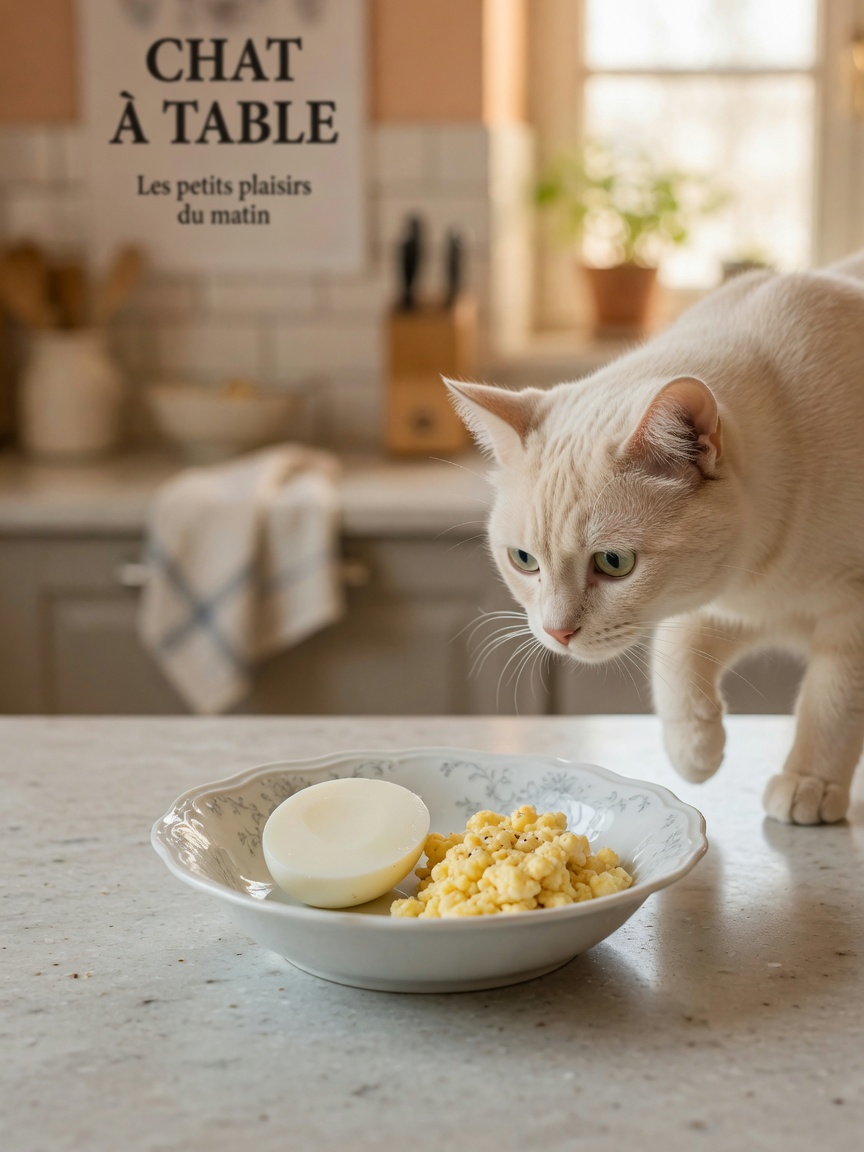
Scrambled, poached, or hard-boiled eggs are the recommended way to offer eggs to your cat. Cooking eliminates both the bacterial risk and the avidin problem, while retaining the majority of the nutritional value. Avoid scrambled eggs prepared with butter, oil, milk, salt, or onion — all of which are either harmful or unnecessary for cats. Plain, simply cooked egg is what you are after.
Many cats actually prefer cooked egg, finding the texture more appealing. A small piece of hard-boiled egg white or a teaspoon of plain scrambled egg makes an easy, high-protein treat.
How Much Egg Can Cats Eat?
Eggs should be treated as an occasional treat or supplement, not a dietary staple. A rough guideline used by many veterinary nutritionists is that treats and extras should constitute no more than ten percent of a cat's daily caloric intake. For an average adult cat eating around 200 to 250 calories per day, that leaves room for only a small amount of egg.
A whole large egg contains approximately 70 to 80 calories, so a quarter of an egg a few times per week is a reasonable portion for most cats. Kittens, pregnant or nursing cats, or cats with specific health conditions may have different requirements — your vet is the best person to advise in those cases.
Egg Yolk Versus Egg White: Does It Matter?
Both parts of the egg are safe once cooked, but they offer different nutritional profiles. The white is almost pure protein with very little fat. The yolk contains most of the fat, cholesterol, and fat-soluble vitamins. For cats with pancreatitis or who are prone to weight gain, you might consider offering only the white. For cats needing extra calories or vitamin D, the yolk is the more valuable part.
There is no strong reason to separate them for a healthy adult cat — a small portion of the whole cooked egg is a sensible approach.
Signs Your Cat May Not Tolerate Eggs Well
Most cats handle eggs without any issue, but individual digestive sensitivities do exist. If your cat vomits, develops loose stools, or seems lethargic after eating egg, discontinue and speak to your vet. Egg allergies in cats are rare but not unheard of — if your cat already has a diagnosed protein sensitivity, introduce any new food with caution.
Practical Tips for Feeding Eggs to Your Cat
- Always cook eggs thoroughly before offering them — scrambled or hard-boiled works best
- Use no added salt, butter, oil, or seasoning
- Start with a very small amount if your cat has never eaten egg before
- Offer egg as a treat or food topper, not as a meal replacement
- Store any leftover cooked egg safely in the fridge and discard after 48 hours
- Consult your vet before making dietary changes if your cat has any ongoing health issues
Eggs are one of those foods that sit neatly within what a cat's biology is designed for — animal protein, essential amino acids, and useful micronutrients. Prepared simply and offered in sensible quantities, they can be a genuinely beneficial part of a varied, enriched diet.