
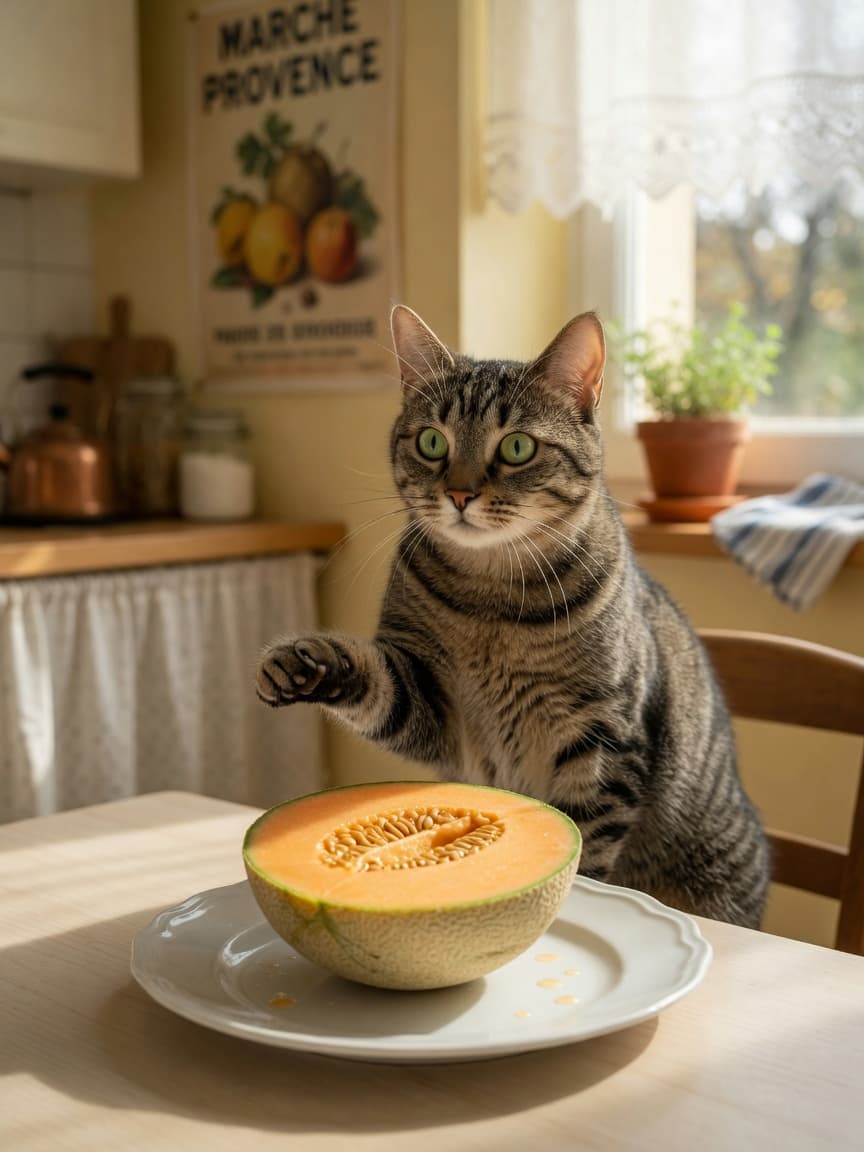
If you've been enjoying sweet, juicy cantaloupe during the summer months and caught your cat eyeing your plate with curiosity, you might be wondering whether it's safe to share a small piece with your feline friend. The good news is that cantaloupe can be a safe treat for cats in moderation, but there are several important considerations you need to understand before offering it to your pet. In this article, we'll explore the nutritional profile of cantaloupe, potential benefits, risks, and how to safely introduce it to your cat's diet.
Is Cantaloupe Safe for Cats?
Yes, cantaloupe is generally safe for cats when given in small quantities. Unlike some fruits that are toxic to felines, such as grapes and raisins, cantaloupe contains no compounds that are poisonous to cats. The flesh of the melon is soft, hydrating, and low in calories, making it a theoretically harmless occasional treat.
However, "safe" doesn't automatically mean "beneficial" or "recommended." Cats are obligate carnivores, meaning their digestive systems are designed primarily for processing meat rather than plant-based foods. Their nutritional needs differ significantly from humans, and fruits should never form a substantial part of their diet.
Nutritional Content and Potential Benefits
Cantaloupe is predominantly water—about 90% by weight—along with some natural sugars, fibre, and trace minerals. Here's what a typical serving contains:
- Vitamin A: Supporting vision and immune function
- Vitamin C: An antioxidant (though cats produce their own)
- Potassium: Important for heart and muscle function
- High water content: Beneficial for hydration
- Low calorie count: Only about 35 calories per 100 grams
For cats with adequate nutrition from quality cat food, the micronutrients in cantaloupe offer minimal additional benefit. However, the high water content can be advantageous for cats that don't drink enough water, particularly those prone to urinary issues.
Risks and Potential Problems
Although cantaloupe isn't toxic, several risks warrant caution:
- Digestive upset: Cats have sensitive digestive systems adapted for protein metabolism. Introducing unfamiliar plant matter can cause diarrhoea or vomiting.
- Sugar content: Whilst lower than many fruits, cantaloupe's natural sugars can contribute to weight gain and dental problems in cats.
- Choking hazard: Some cats may not chew thoroughly before swallowing, risking airway obstruction.
- Seed contamination: Cantaloupe seeds aren't toxic but can pose choking risks and should always be removed.
- Pesticide residue: Conventionally grown melons may contain pesticide traces, so thorough washing is essential.
How to Safely Offer Cantaloupe to Your Cat

If you've decided to introduce cantaloupe to your cat, follow these practical guidelines:
- Remove all seeds and the rind completely
- Wash the melon thoroughly under running water
- Cut the flesh into very small, bite-sized pieces
- Offer only a teaspoon-sized amount initially
- Monitor your cat for 24 hours for any signs of digestive upset
- Limit treats to no more than 10% of daily calorie intake
- Never force your cat to eat it if uninterested
Signs Your Cat Shouldn't Have Cantaloupe
Certain cats should avoid cantaloupe entirely. These include cats with diabetes, obesity, or sensitive digestive systems. Additionally, kittens and elderly cats with dental problems may struggle with this texture. Always consult your veterinary surgeon before introducing new foods if your cat has underlying health conditions.
Key Takeaways
Cantaloupe can be a safe, occasional treat for most healthy adult cats, but it should never replace their primary diet of quality cat food. Whilst not toxic, the nutritional benefit is minimal given cats' carnivorous nature. If you choose to offer cantaloupe, start with tiny amounts, remove all seeds and rind, and watch for adverse reactions. When in doubt, your veterinary surgeon is your best resource for personalised advice about your individual cat's dietary needs.