
Parrots and Illness: Why Early Detection Is So Difficult
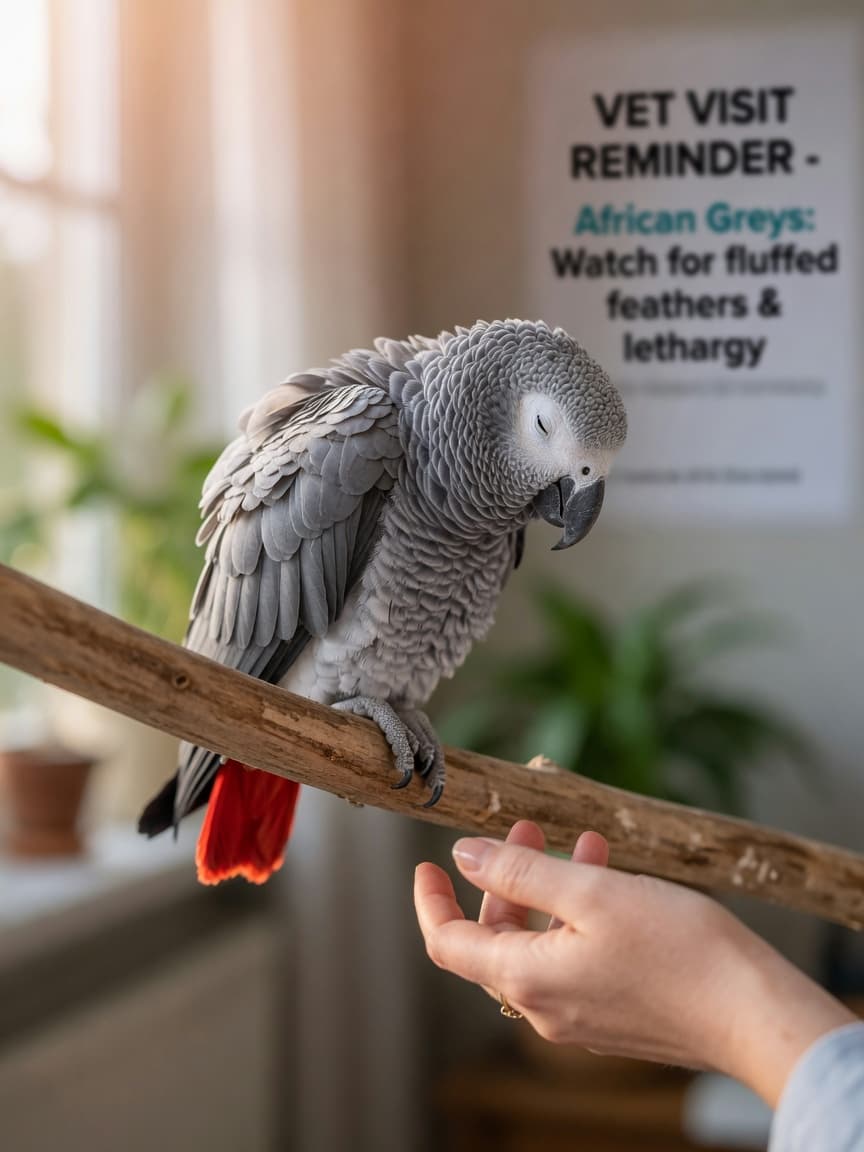
Parrots — members of the order Psittaciformes — are among the most intelligent and rewarding pet birds in the world. They are also among the most adept at concealing illness. In the wild, a visibly sick bird becomes a target for predators, so parrots have evolved a powerful instinct to mask weakness. By the time a parrot shows unmistakable signs of being unwell, the condition is often quite advanced. Daily observation of your bird's normal behaviour, posture, droppings, and vocalisations is the most effective early warning system available to any owner.
Psittacosis (Chlamydiosis): A Zoonotic Disease to Know
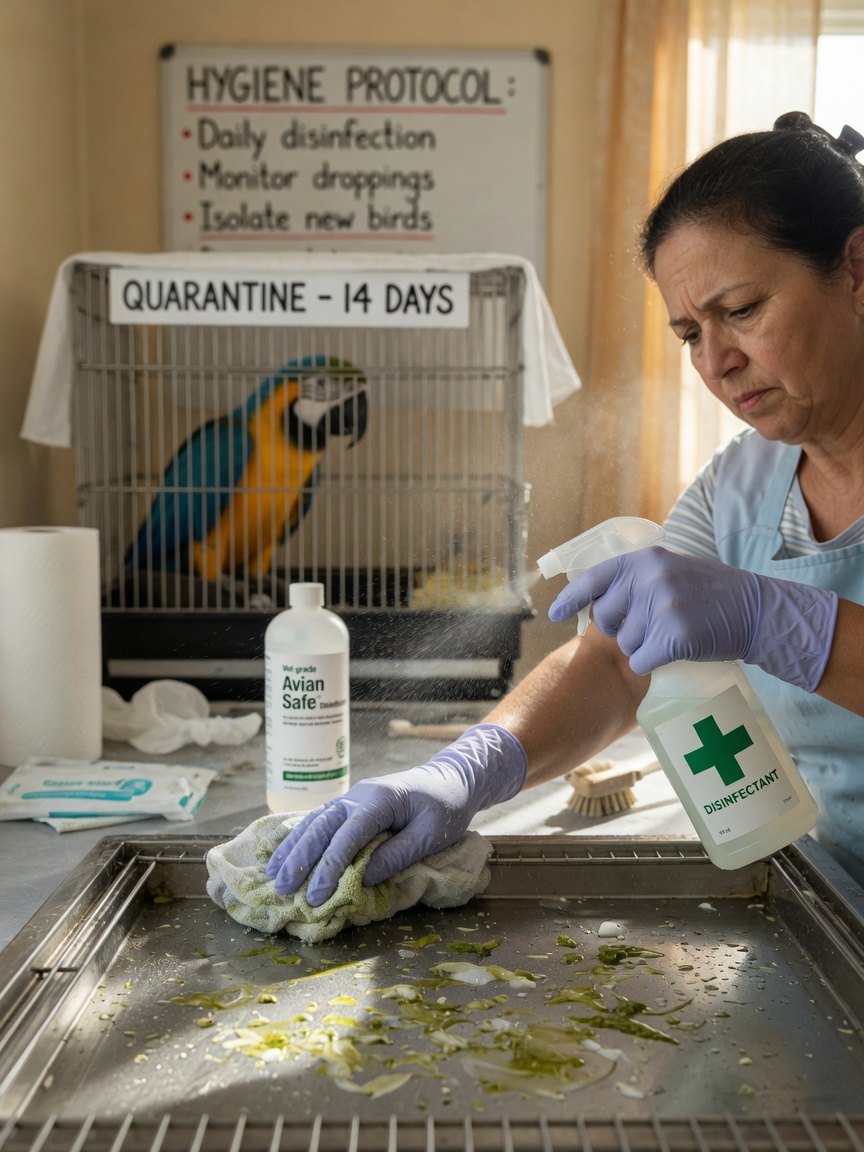
Psittacosis, also known as chlamydiosis or parrot fever, is caused by the intracellular bacterium Chlamydia psittaci. It is one of the most important parrot diseases for owners to understand — not only because it can be serious for the bird, but because it is a zoonotic infection, meaning it can be transmitted to humans. In people, it typically causes a flu-like illness, but in vulnerable individuals it can lead to severe pneumonia.
In several EU member states and in the UK, psittacosis in birds is a notifiable disease. Vets are legally required to report confirmed or suspected cases to the relevant animal health authority. Owners who develop respiratory symptoms after exposure to a sick bird should inform their doctor of the potential exposure.
- In birds: signs include lethargy, ruffled feathers, loss of appetite, lime-green or watery droppings, and nasal or eye discharge
- Transmission: primarily via inhalation of dried faecal matter or respiratory secretions
- Treatment: doxycycline for a minimum of 45 days under veterinary supervision
- Prevention: good hygiene, regular cleaning of cages, quarantine of new birds before introducing them to existing flocks
Proventricular Dilatation Disease (PDD)
Proventricular Dilatation Disease, caused by Avian Bornavirus (ABV), is a serious neurological and gastrointestinal condition that affects psittacine birds. The virus infects the nerves supplying the digestive tract, leading to an inability to properly pass food through the system. Affected birds progressively lose weight despite appearing to eat normally, as food remains undigested. In some birds, neurological signs such as tremors, ataxia, or seizures are the presenting feature.
PDD is currently incurable, though anti-inflammatory treatment with NSAIDs (non-steroidal anti-inflammatory drugs) can slow progression and improve quality of life. Diagnosis typically involves a combination of crop biopsy, PCR testing, and clinical assessment. Any parrot showing unexplained weight loss despite normal appetite should be investigated for PDD.
Feather-Destructive Behaviour and Psittacine Beak and Feather Disease
Feather-destructive behaviour (FDB) — including feather plucking, chewing, and barbering — is one of the most visible and distressing conditions seen in captive parrots. It is also one of the most complex, because the causes are wide-ranging. Potential triggers include boredom and under-stimulation, psychological stress or anxiety, skin disease, allergies, hormonal imbalances, and underlying infection.
One specific infectious cause of feather and beak abnormalities is Psittacine Beak and Feather Disease (PBFD), caused by Beak and Feather Disease Virus (BFDV). PBFD causes progressive loss of feathers, abnormal feather growth, and beak deformities. It is contagious between birds and has no cure; management focuses on supportive care and preventing spread. New birds should always be tested for PBFD before joining an existing collection.
Addressing feather-destructive behaviour requires a thorough veterinary assessment to rule out physical causes before any behavioural interventions are considered. Enrichment — foraging toys, puzzle feeders, training sessions, and social interaction — plays a central role in prevention. Zooplus stocks a wide range of parrot-appropriate enrichment toys and foraging accessories that can help keep psittacines mentally stimulated.
Aspergillosis: Fungal Respiratory Disease
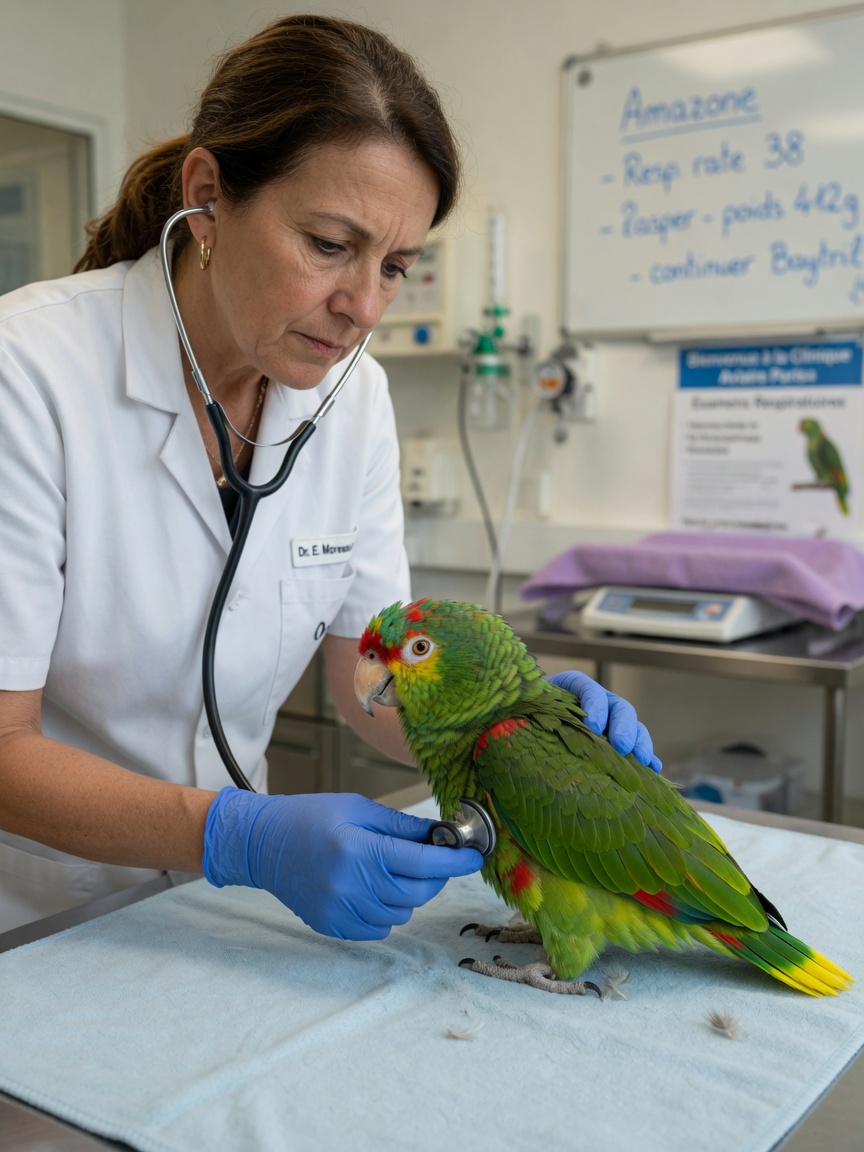
Aspergillosis is a fungal infection caused by Aspergillus fumigatus, a mould found widely in the environment. In parrots — particularly African Greys, Amazon parrots, and raptors — inhaled fungal spores can establish infection in the respiratory tract and air sacs. The disease is often chronic and difficult to diagnose in its early stages, as birds may show only subtle signs such as slight respiratory noise, reduced exercise tolerance, or gradual weight loss.
Risk factors include poor ventilation, damp living conditions, dusty or mouldy substrate and food, and immunosuppression from nutritional deficiency or concurrent illness. Treatment is prolonged and involves antifungal drugs (most commonly voriconazole or itraconazole), often for many weeks or months. Prevention centres on keeping the bird's environment clean, dry, and well-ventilated, and avoiding mouldy food.
Nutritional Deficiencies: The Problem with All-Seed Diets
A great many parrots in Europe are still fed predominantly seed-based diets. While seeds are palatable and accepted readily by most birds, they are high in fat and seriously deficient in key nutrients including Vitamin A, Vitamin D3, calcium, and many amino acids. Birds on all-seed diets are highly susceptible to respiratory infections, immune suppression, poor feather quality, and liver disease.
The current recommendation from avian veterinary specialists is to transition parrots to a formulated pellet diet as the dietary base, supplemented with fresh fruit, vegetables, and leafy greens. The transition should be gradual and supervised, as some birds resist change strongly. Zooplus carries quality parrot pellet brands suitable for species of different sizes. Seeds can remain part of the diet as an enrichment and foraging item rather than the primary food source.
CITES Regulations and Legal Ownership in the UK and EU
Many parrot species — including African Greys, several Amazon species, all macaws, and cockatoos — are listed under the Convention on International Trade in Endangered Species (CITES). In the EU, CITES is implemented through the EU Wildlife Trade Regulations, and in the UK through equivalent domestic legislation. This means that buying, selling, or acquiring many parrots without proper documentation is illegal.
For CITES Appendix I species (the most protected), owners require an Article 10 certificate (in the EU) or equivalent UK documentation demonstrating legal origin. When purchasing any parrot, always request proof of legal origin and registration paperwork. Selling or rehoming such birds without documentation can result in significant legal penalties. If you are unsure about your bird's status, your vet or the relevant wildlife authority can advise.
Warning Signs a Parrot Is Ill
Because parrots hide illness, these signs deserve immediate veterinary attention:
- Ruffled or fluffed feathers held for extended periods — a classic sign of illness
- Sitting at the bottom of the cage rather than on a perch
- Change in droppings: colour, consistency, volume, or smell
- Loss of appetite or reduced interest in food
- Reduced vocalisation in a normally vocal bird
- Nasal or eye discharge
- Difficulty breathing, tail-bobbing, or open-mouth breathing
- Unexplained weight loss
When to See a Vet
Do not adopt a wait-and-see approach with a parrot that seems unwell. Because of their instinct to mask illness, a bird that is visibly sick is likely already significantly compromised. Contact an avian vet on the same day if you notice any of the warning signs listed above.
Finding a Specialist Vet
Parrots require specialist veterinary care. The European College of Zoological Medicine (ECZM) includes an avian specialist division whose diplomates have completed years of advanced training in bird medicine. In the UK, the Association of Avian Veterinarians (AAV) British Chapter and the BSAVA Exotic Species Group can help owners locate avian-experienced practitioners. Given the complexity of psittacine medicine — particularly the zoonotic and legal dimensions — registering your parrot with an experienced avian vet from the outset is strongly advisable.