

If you've noticed your dog struggling with digestive issues, weight management, or inconsistent bowel movements, the solution might be simpler than you think. High-fibre dog food is increasingly recognised as one of the most effective nutritional adjustments pet owners can make—and the benefits extend far beyond digestive health. Whether your dog is dealing with chronic constipation, struggling to maintain a healthy weight, or simply needs better overall wellness, fibre could be the missing piece in their diet.
Understanding Dietary Fibre in Dogs
Dietary fibre consists of indigestible carbohydrates that pass through your dog's gastrointestinal tract largely unchanged. Unlike humans, dogs are carnivores and don't naturally require high fibre levels, but that doesn't mean fibre isn't beneficial. Modern dog nutrition research shows that soluble and insoluble fibres support digestive function, gut bacteria balance, and overall metabolic health.
Fibre comes in two primary forms:
- Soluble fibre: Dissolves in water to form a gel-like substance. Found in foods like pumpkin, sweet potato, and oats. Helps regulate blood sugar and supports beneficial gut bacteria.
- Insoluble fibre: Doesn't dissolve in water. Found in brown rice, wheat bran, and vegetables. Promotes bowel movement and digestive transit.
The Health Benefits of High-Fibre Dog Food
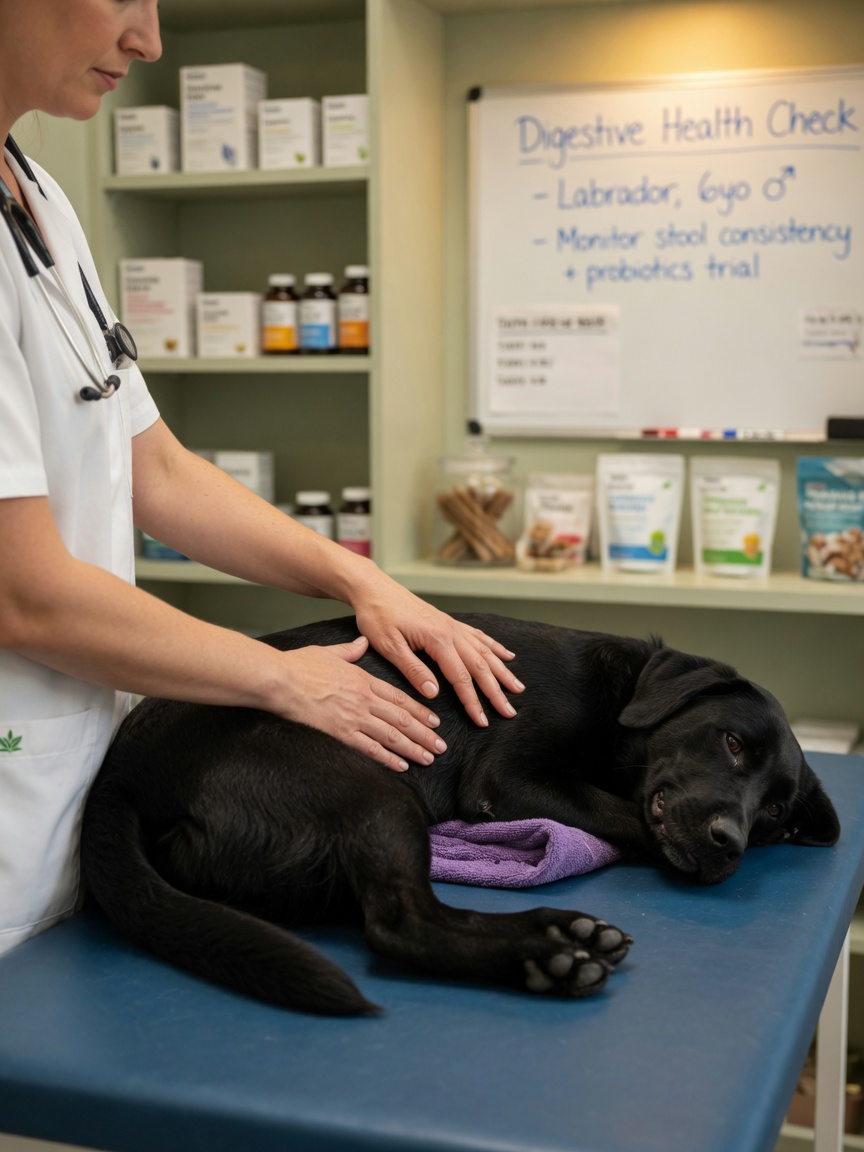
The advantages of increasing your dog's fibre intake are compelling and well-documented:
- Improved Digestive Health: Fibre promotes healthy gut bacteria, reduces inflammation, and helps prevent both diarrhoea and constipation by normalising bowel movements.
- Weight Management: High-fibre foods increase feelings of fullness, helping dogs eat less whilst feeling satisfied—ideal for weight loss without sacrificing nutrition.
- Blood Sugar Regulation: Soluble fibre slows glucose absorption, benefiting dogs with diabetes or metabolic concerns.
- Anal Gland Support: Firm, healthy stools from adequate fibre reduce anal gland issues, a common complaint among dog owners.
- Enhanced Nutrient Absorption: A healthier digestive system absorbs nutrients more efficiently, improving overall health outcomes.
Recognising Signs Your Dog Needs More Fibre
Watch for these indicators that your dog might benefit from increased dietary fibre:
- Irregular or loose stools
- Difficulty maintaining healthy weight despite adequate calories
- Excessive scratching or scooting (often linked to anal gland discomfort)
- Visible lack of energy or digestive discomfort
- Frequent constipation alternating with loose stools
Making the Transition to High-Fibre Food
Never switch your dog's diet abruptly. A gradual transition prevents digestive upset and allows their system to adapt:
- Days 1-3: Mix 25% new food with 75% current food
- Days 4-6: Use a 50/50 combination
- Days 7-10: Move to 75% new food with 25% old food
- Day 11 onwards: Transition completely to the new diet
Monitor your dog's stools throughout this period. You should see improvements within 2-3 weeks of complete transition.
Natural Fibre Sources for Dogs

Beyond commercial high-fibre dog foods, you can incorporate natural fibre sources into your dog's meals:
- Pumpkin puree (not pie filling)
- Cooked sweet potato
- Green beans
- Oats and brown rice
- Carrots (raw or cooked)
Always introduce new foods gradually and consult your veterinary surgeon before making significant dietary changes, particularly if your dog has existing health conditions.
Key Takeaways
High-fibre dog food represents a straightforward yet powerful approach to improving your dog's digestive health and overall wellbeing. By understanding your dog's individual needs, making gradual dietary transitions, and choosing quality fibre sources, you can support healthier digestion, better weight management, and enhanced quality of life. The investment in proper nutrition now pays dividends in veterinary bills avoided and a happier, healthier companion for years to come.