
The Superfood Problem in Pet Nutrition
The word "superfood" is not a scientific term. It has no regulatory definition in the UK, the EU, or the United States, and its use is not subject to any evidence standard. It is a marketing category, not a nutritional one. This does not mean that all foods promoted as superfoods are without merit — some have a reasonable body of evidence behind them. It does mean that the label itself tells you very little, and that distinguishing between foods with genuine biological activity and those riding a trend requires looking at the actual research.
Blueberries: One of the More Credible Options
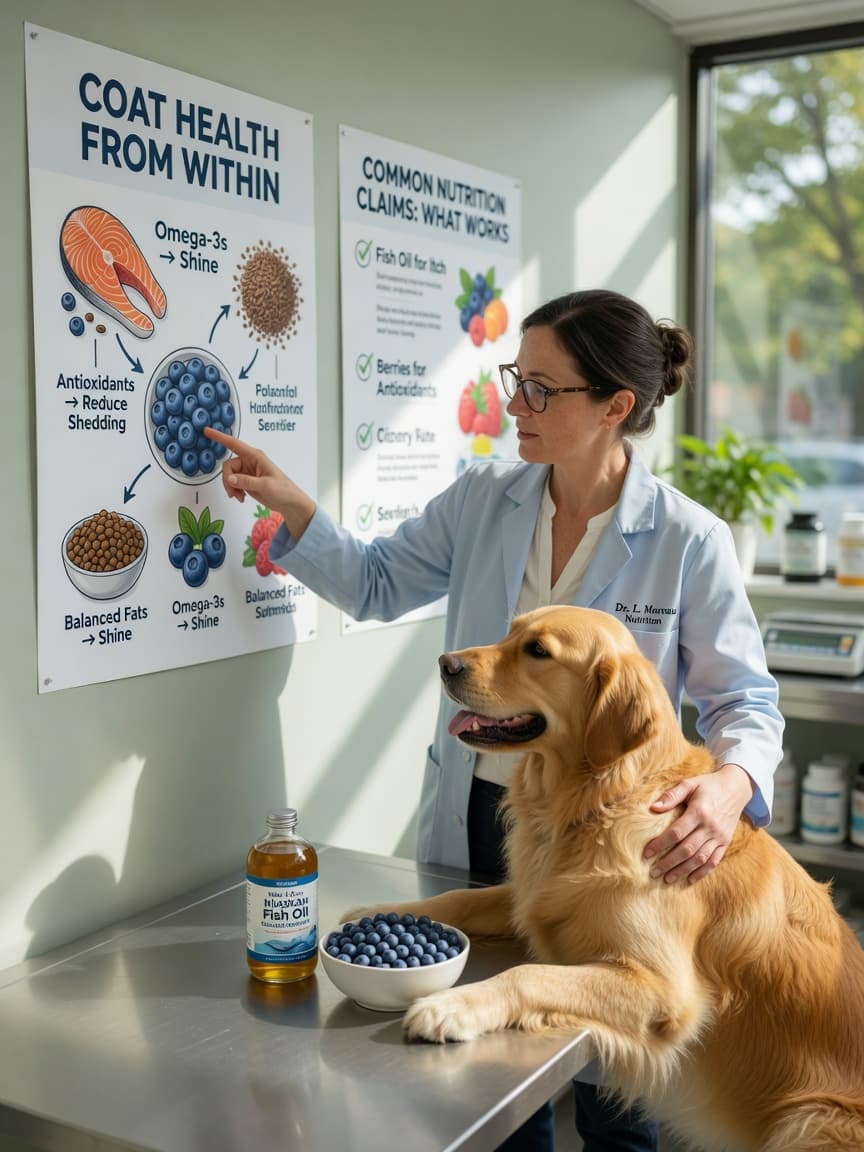
Blueberries appear regularly on pet superfood lists, and in this case the enthusiasm has some scientific support. Blueberries are rich in anthocyanins — polyphenolic compounds with documented antioxidant activity. In vitro studies and rodent model research have shown that anthocyanins reduce oxidative stress and have anti-inflammatory properties. A small number of studies in dogs have demonstrated that blueberry supplementation increases antioxidant capacity in the bloodstream.
The limitation is that most of the compelling evidence comes from laboratory models rather than long-term clinical trials in companion animals. We know the mechanism is plausible and the in-vivo signal is positive. What we do not know with precision is what dose is needed to produce meaningful clinical benefit in dogs, or whether the benefit persists over time. Blueberries are safe, low in calories, and have supporting evidence — they are a reasonable occasional addition to a dog's diet.
Turmeric and Curcumin: Mechanism Without Reliable Delivery
Turmeric has attracted enormous attention as an anti-inflammatory superfood for both humans and pets. The active compound, curcumin, has potent anti-inflammatory properties in laboratory settings, and a substantial body of preclinical research supports its biological activity. The problem is bioavailability. Curcumin is poorly absorbed from the gastrointestinal tract in its natural form, metabolised rapidly, and eliminated quickly. Human studies with standard curcumin supplements have generally shown minimal increases in plasma curcumin levels.
In dogs, research is even more limited. There are currently no robust controlled trials demonstrating clinical anti-inflammatory benefit from curcumin supplementation in companion animals at realistic dietary doses. Formulations that combine curcumin with piperine (black pepper extract) or use lipid-based delivery systems show improved bioavailability in laboratory studies, but these findings have not yet translated into clinical veterinary evidence. The mechanism is promising; the delivery problem is not yet solved.
Coconut Oil: Widespread Claims, Weak Evidence
Few pet superfoods have been promoted as aggressively as coconut oil. Claims include improved coat condition, better digestion, weight loss, antimicrobial effects, cognitive benefits, and treatment of skin conditions. Coconut oil is approximately 90 per cent saturated fat, predominantly as medium-chain triglycerides (MCTs). MCTs are metabolised differently from long-chain fatty acids and do have some documented metabolic effects, including potential benefit for cognitive function through ketone production.
However, controlled veterinary clinical trials supporting the skin, coat, digestive, or antimicrobial claims in dogs and cats are largely absent. A 2016 review in the Journal of the American Veterinary Medical Association found no peer-reviewed evidence supporting the majority of health claims made for coconut oil in pets. It is also calorie-dense — one tablespoon contains approximately 120 kcal — making it a contributor to obesity in dogs fed it regularly. The evidence base does not justify the marketing.
Omega-3 Fatty Acids: Genuine Evidence, Important Details
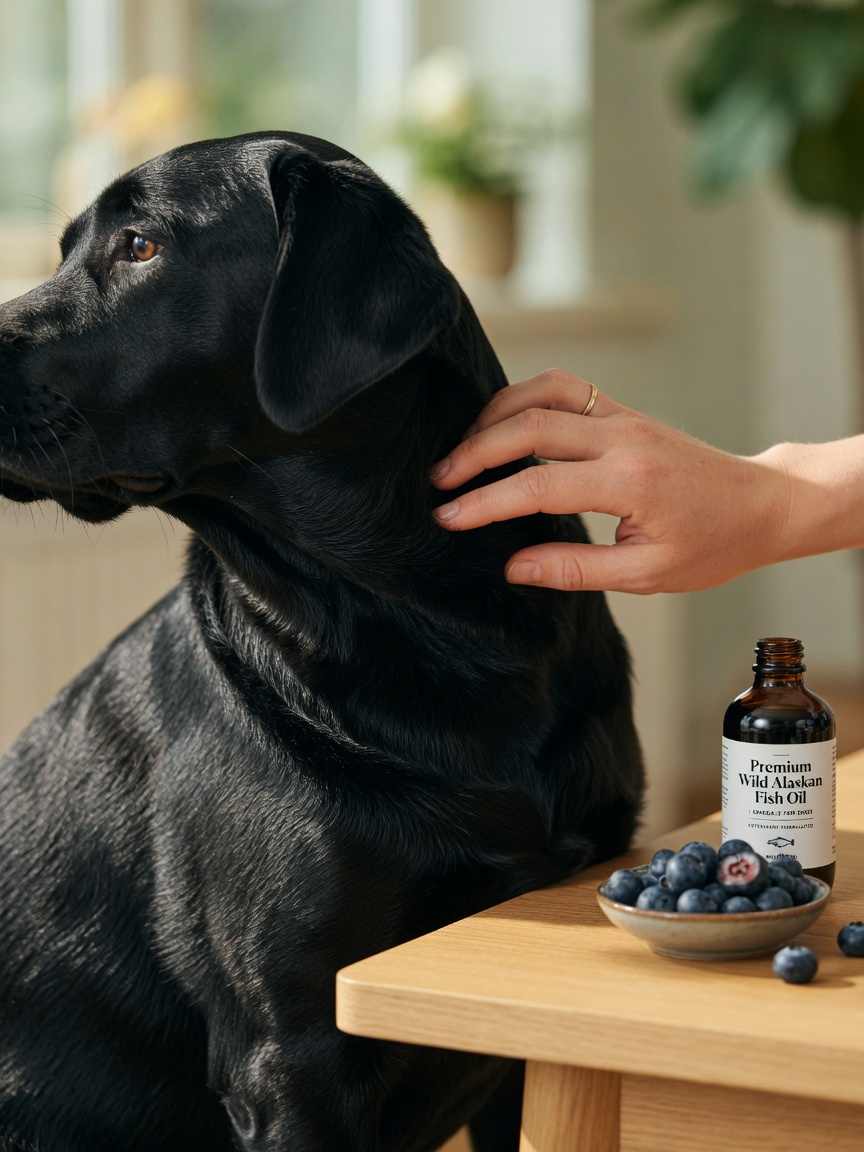
Marine-sourced omega-3 fatty acids — specifically EPA and DHA from fish oil or algae — represent one of the most evidence-supported nutritional interventions in veterinary medicine. Controlled trials have demonstrated benefit in canine osteoarthritis, inflammatory skin conditions, and cardiac disease. EPA and DHA are the active forms; plant-based sources such as flaxseed oil provide ALA, which dogs convert to EPA and DHA inefficiently.
- Fish oil supplementation reduces inflammatory markers in dogs with osteoarthritis and has been shown to improve mobility scores in controlled trials
- EPA and DHA support cardiovascular function and have been studied specifically in dogs with dilated cardiomyopathy
- Omega-3s improve skin barrier function and reduce pruritus in atopic dogs
- Algae-derived DHA provides a sustainable, heavy metal-free alternative to fish oil with equivalent bioavailability
The important caveat is quality and dose. Many commercial fish oil supplements contain oxidised lipids if not stored and manufactured correctly, and the omega-3 content of products marketed for pets varies widely. A dose of 20–55mg EPA and DHA per kilogram of body weight per day is the range commonly used in clinical studies, significantly more than a basic "one capsule per day" recommendation would typically provide for larger dogs.
Spirulina and Chlorella: Interesting Compounds, Limited Clinical Evidence
Algae-based supplements including spirulina and chlorella are marketed for immune support, detoxification, and anti-inflammatory effects. Both contain phycocyanin and chlorophyll compounds with antioxidant activity in laboratory models. Spirulina has been studied in human populations with some positive signals for lipid profiles and immune markers. Veterinary-specific clinical evidence is currently very limited. These supplements are not harmful at typical doses, but the specific health claims made for pets are not supported by controlled trials.
Pumpkin: Understated but Practically Useful
Plain cooked pumpkin — often overlooked in favour of more exotic superfoods — has the most practical evidence behind it for digestive support. The soluble fibre content of pumpkin is well-documented to support stool consistency in dogs with both loose stools and constipation. Veterinary professionals commonly recommend it for exactly this purpose. It is not exotic, it is inexpensive, and the benefit is real and observable. Sometimes the most unglamorous option is also the most evidence-based.
How to Evaluate a Pet Superfood Claim
Before adding any supplement or superfood to your pet's diet based on marketing claims, it is worth asking three questions. First, does the claimed mechanism make biological sense? Second, is there peer-reviewed evidence in companion animals rather than only laboratory or human studies? Third, does the bioavailability of the active compound mean that it would actually reach the target tissue at a meaningful dose? Most superfood marketing fails at least one of these tests. The supplements with genuine evidence — omega-3 fatty acids chief among them — earn that distinction because they pass all three.