
Raw Feeding for Cats: A Growing Trend With Real Risks
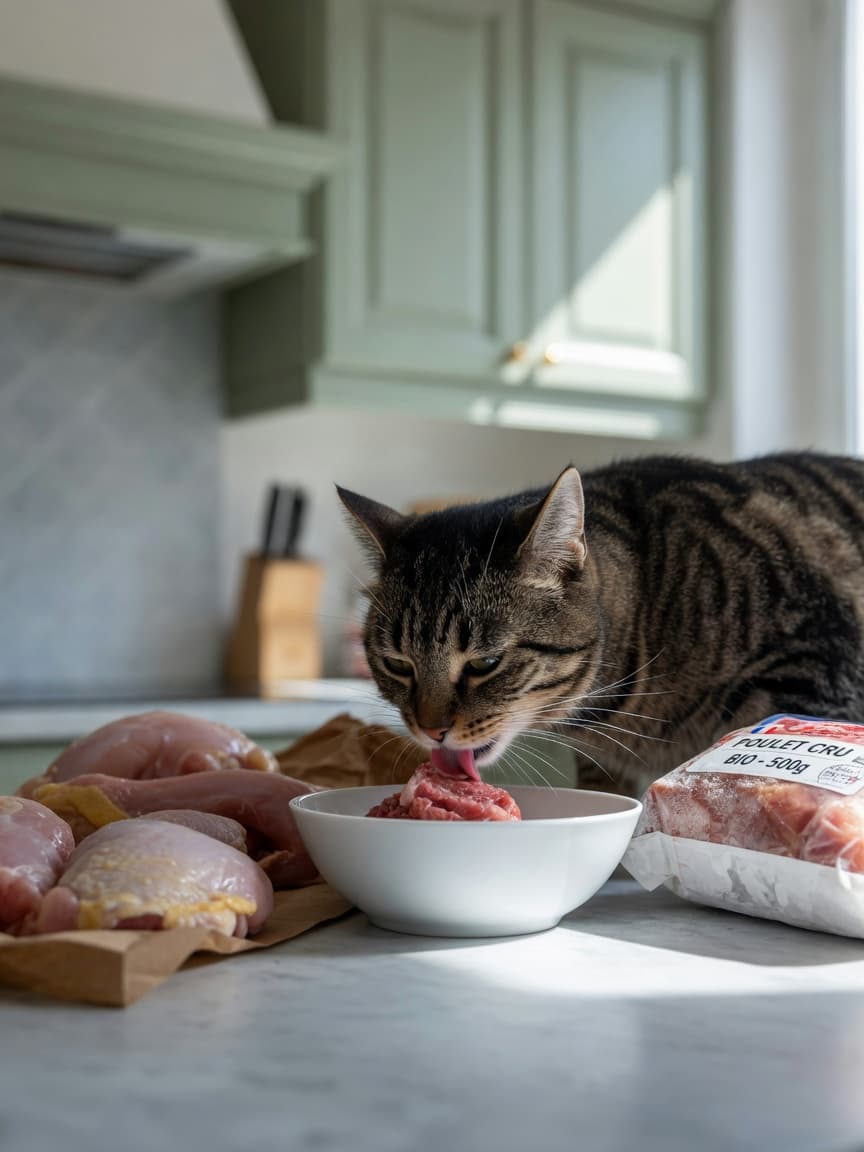
Across Europe, more cat owners are turning to raw diets as an alternative to conventional commercial pet food. Driven by a desire for more natural feeding practices, the raw pet food market has expanded considerably, with a growing number of specialist brands and frozen products now available from major retailers including Zooplus. However, enthusiasm for raw feeding must be tempered by a clear understanding of the nutritional requirements cats have, the food safety risks involved, and the guidance offered by veterinary and scientific organisations.
Cats as Obligate Carnivores
One of the central arguments put forward by raw feeding advocates is that cats are obligate carnivores — meaning they rely entirely on animal-derived nutrients to survive. Unlike dogs or humans, cats cannot synthesise certain compounds from plant sources and must obtain them directly from animal tissue. This includes taurine, arachidonic acid, and preformed vitamin A, all of which are found naturally in raw meat.
Proponents argue that a raw, meat-based diet more closely mirrors what a cat would consume in the wild, and that modern processing methods used in conventional pet food alter or destroy some of these nutrients. The logic is compelling on its surface, though the evidence base for specific health outcomes from raw feeding in domestic cats remains limited.
Claimed Benefits: What the Evidence Actually Says
Supporters of raw diets frequently cite improvements in coat condition, reduced carbohydrate intake, and better dental health as key advantages. Some owners report shinier coats and firmer stools after transitioning their cats to raw food, and there is a plausible biological basis for these observations given the high protein and fat content of raw diets.
The lower carbohydrate argument is also relevant: cats have a limited ability to digest large quantities of carbohydrates, and some veterinary nutritionists suggest that reducing dietary carbohydrates may benefit cats prone to obesity or diabetes. On dental health, raw meaty bones are sometimes credited with reducing tartar, though the evidence is inconsistent and there are significant risks associated with bone feeding.
It is important to state clearly that high-quality, peer-reviewed evidence supporting raw diets over nutritionally complete commercial diets is currently lacking. Many of the claimed benefits are anecdotal or based on small studies. This does not mean raw feeding has no merit, but it does mean that caution and critical thinking are warranted.
ESCCAP Raw Meat Parasite Warnings: A Serious Concern
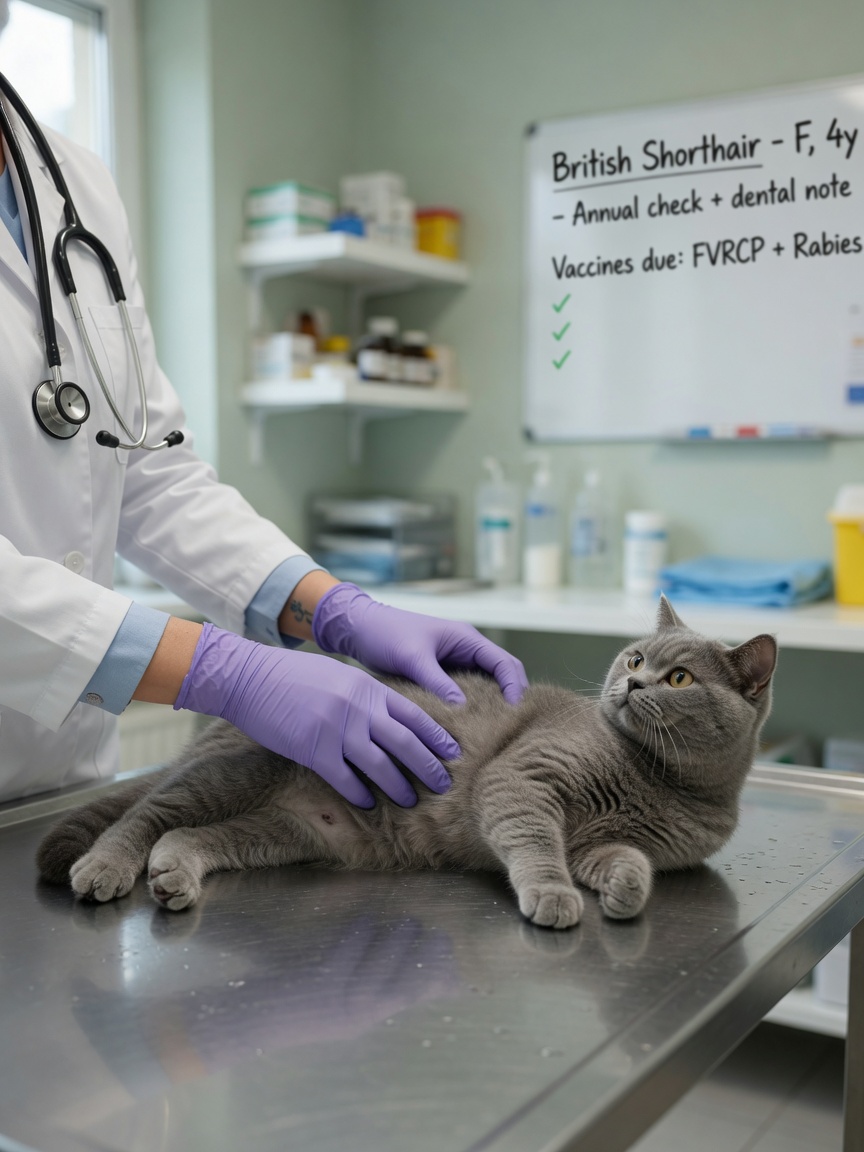
The European Scientific Counsel Companion Animal Parasites (ESCCAP) has issued clear warnings about the parasite risks associated with feeding raw meat to cats. These risks are not theoretical — they represent genuine threats to animal and human health.
Toxoplasma gondii
Of particular concern is Toxoplasma gondii, a protozoan parasite for which the cat is the definitive host. This means that cats — and only cats — can complete the parasite's sexual reproductive cycle and shed oocysts in their faeces. When a cat consumes raw meat containing Toxoplasma tissue cysts, it can become infected and subsequently shed millions of oocysts into the environment for several weeks. These oocysts are highly resilient and can remain infectious in soil for months. The implications extend beyond the cat: toxoplasmosis poses a serious risk to pregnant women, immunocompromised individuals, and the wider household environment. ESCCAP recommends that raw meat fed to cats should be frozen at sufficiently low temperatures prior to feeding in order to reduce — though not eliminate — this risk.
Tritrichomonas foetus
Tritrichomonas foetus is a flagellated protozoan that can cause chronic large bowel diarrhoea in cats. Raw tripe and offal are considered potential sources of this organism, and infection can be persistent and difficult to treat. Young cats and those in multi-cat households are at particular risk.
Salmonella
Salmonella contamination of raw meat is well documented, and cats fed raw diets have been shown to shed Salmonella in their faeces even when they appear clinically healthy. This creates a zoonotic risk — the potential for transmission from cat to human — particularly relevant in households with young children or vulnerable adults. Thorough hygiene practices, including careful handling of raw meat and regular disinfection of feeding bowls, are essential if raw feeding is pursued.
EU Food Safety Regulations and What They Mean for Raw Pet Food
In the European Union, animal-derived products used in pet food are governed by Regulation EC 853/2004, which sets hygiene rules for the production and handling of products of animal origin. Commercial raw pet food manufacturers operating within the EU must comply with these standards, which include requirements around sourcing, handling, and traceability.
This regulatory framework provides a degree of assurance for commercially produced raw diets that simply does not exist for homemade raw feeding. However, compliance with EC 853/2004 does not guarantee that a product is free from parasites or pathogens — it governs production hygiene rather than eliminating all biological risk.
FEDIAF Standards and the Taurine Requirement
The European Pet Food Industry Federation (FEDIAF) publishes nutritional guidelines for complete pet diets, including those based on raw ingredients. Any raw diet — whether commercial or homemade — should meet FEDIAF standards to be considered nutritionally complete.
Of all the nutritional considerations for cats, taurine is the most critical. Cats cannot synthesise adequate taurine from precursors and must obtain it directly from their diet. Taurine deficiency leads to dilated cardiomyopathy and retinal degeneration — both serious, potentially irreversible conditions. While raw muscle meat does contain taurine, the levels vary significantly depending on the protein source and preparation method. Cooking destroys a substantial portion of taurine, but even in raw diets, levels may be insufficient without careful formulation. Any raw diet fed to cats must be verified to contain adequate taurine.
Commercial Raw vs Homemade: Which Is Safer?
For cat owners determined to pursue raw feeding, commercially prepared raw diets offer meaningful advantages over homemade preparations. Reputable brands formulate their products to meet FEDIAF nutritional standards, include appropriate vitamin and mineral supplementation, and are subject to food safety regulations under EU law. Zooplus stocks a range of frozen raw cat food options from established brands, making commercially prepared raw diets reasonably accessible across Europe.
Homemade raw diets, by contrast, carry a significant risk of nutritional imbalance. Without veterinary nutritionist input, it is extremely difficult to formulate a homemade raw diet that meets all of a cat's requirements across the long term. Deficiencies — particularly of calcium, phosphorus, taurine, and certain vitamins — may not manifest clinically until serious damage has occurred. If you are considering a homemade raw diet, consultation with a board-certified veterinary nutritionist is strongly advised.
WSAVA Position and the Importance of Vet Consultation
The World Small Animal Veterinary Association (WSAVA) does not recommend raw protein diets, citing the risks of nutritional imbalance and pathogen transmission. While this position acknowledges that some owners will continue to raw feed regardless, WSAVA encourages veterinarians to discuss the risks openly and to recommend commercially prepared options that meet established nutritional standards where raw feeding is pursued.
Before making any changes to your cat's diet, a consultation with your veterinarian is essential. Your vet can assess your cat's individual health status, discuss the risks and practicalities of raw feeding in your specific circumstances, and refer you to a veterinary nutritionist if needed. Raw feeding is not appropriate for all cats — those with compromised immune systems, gastrointestinal disease, or certain other conditions may face heightened risks.
Final Thoughts
Raw feeding for cats is a topic that deserves honest, balanced discussion rather than blanket dismissal or uncritical enthusiasm. The obligate carnivore argument has genuine biological grounding, and some cat owners report real improvements in their animals' wellbeing. At the same time, the parasite risks highlighted by ESCCAP — particularly Toxoplasma gondii — are serious and must not be minimised. If you decide to explore raw feeding, choose commercially prepared products that meet FEDIAF standards, practise rigorous food hygiene, ensure adequate taurine intake, and always work with your vet. An informed decision made with professional guidance is always the safest path for your cat.