
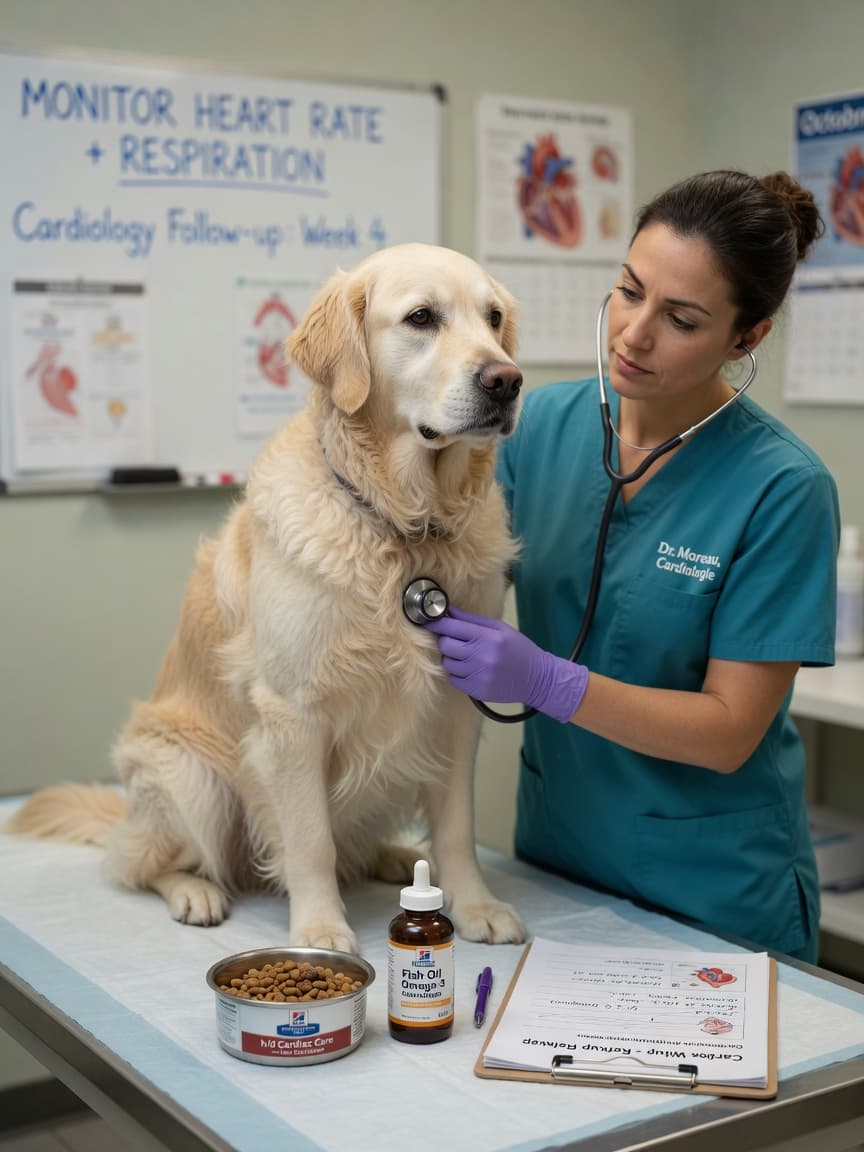
Why Sodium Matters in Canine Heart Disease
When a dog's heart is not pumping effectively, the body responds by retaining sodium and water in an attempt to increase blood volume and maintain pressure. This compensatory mechanism, driven largely by the renin-angiotensin-aldosterone system, is useful in the short term but becomes harmful over time. Excess sodium retention contributes to fluid accumulation in the lungs and abdomen — the hallmark of congestive heart failure — and increases the workload on an already struggling heart.
Dietary sodium restriction aims to reduce this burden. The idea is straightforward: if less sodium is coming in through food, there is less for the body to retain, and the diuretic medications prescribed for heart failure can work more effectively. However, the timing, degree, and practicalities of sodium restriction are more nuanced than simply switching to a "low-salt" food the moment a heart murmur is detected.
When to Start Dietary Changes
This is a point of some debate in veterinary cardiology, and recommendations have evolved. The ACVIM consensus guidelines advise against strict sodium restriction in dogs with early-stage heart disease — Stages B1 and B2 — who are not yet in heart failure. The concern is that severely limiting sodium too early may actually activate the renin-angiotensin system, worsening the hormonal changes that drive disease progression. A moderate, sensible approach to sodium intake is appropriate at these stages.
Once a dog reaches Stage C — active or previous heart failure — and is on diuretic therapy, a more deliberate reduction in dietary sodium becomes appropriate and beneficial. At Stage D, refractory heart failure, strict sodium restriction is typically recommended alongside adjustments to diuretic therapy.
Always discuss dietary changes with your veterinarian or a veterinary cardiologist before making major adjustments, as the appropriate sodium level depends on the specific stage of disease and the medications in use.
Sodium Targets in Commercial Diets
Sodium content in dog food is expressed either as a percentage of dry matter (DM) or in milligrams per kilocalorie. Understanding these figures helps when comparing products.
- Maintenance diets for healthy dogs typically contain 0.2–0.4% sodium on a dry matter basis
- Mild restriction, appropriate for Stage B2 or early Stage C, targets roughly 0.15–0.25% DM
- Moderate restriction for dogs in active heart failure targets approximately 0.10–0.15% DM
- Strict restriction, used in severe or refractory cases, may target below 0.1% DM
Prescription cardiac diets from veterinary brands such as Royal Canin Cardiac, Hill's h/d, and Purina Pro Plan Veterinary Diets Cardio EN are formulated specifically with these targets in mind, and they also account for other nutritional considerations relevant to heart disease.
Key Nutrients Beyond Sodium
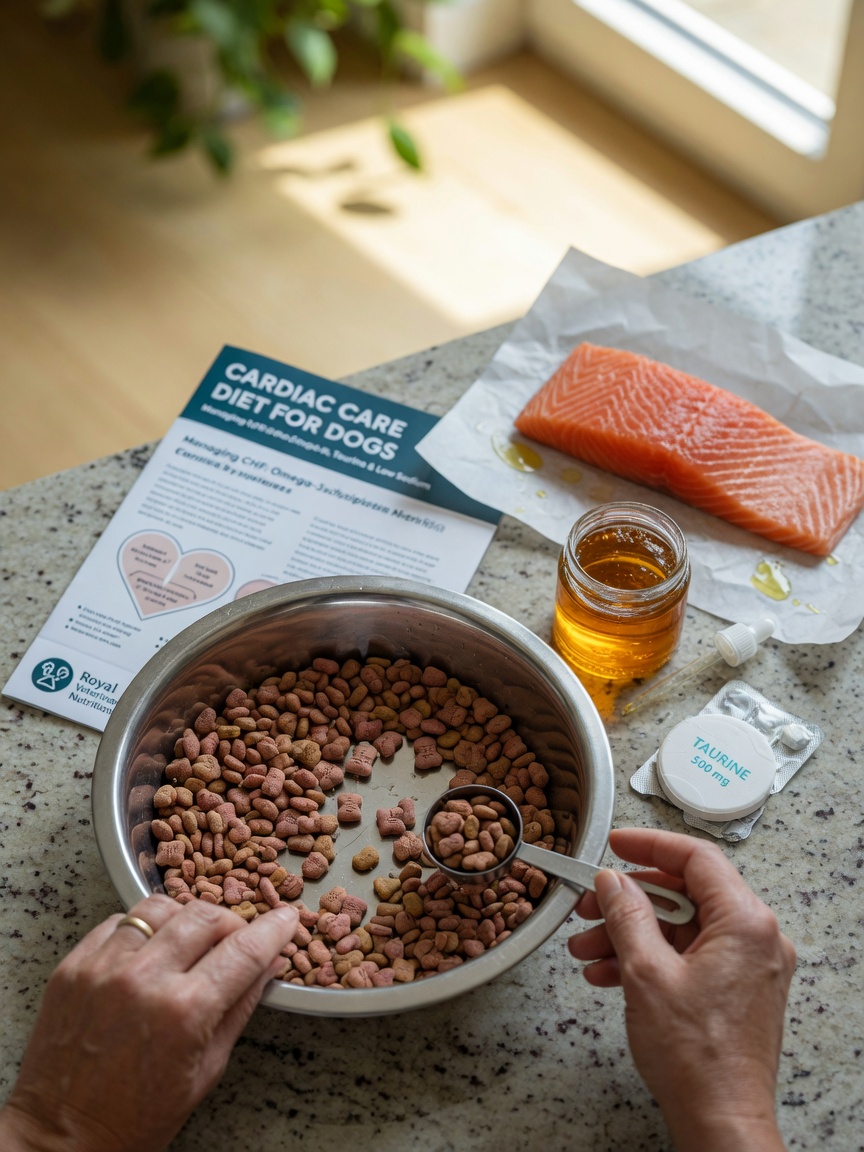
Taurine
Taurine is an amino acid with important roles in cardiac muscle function. Deficiency has been linked to dilated cardiomyopathy in certain breeds and in dogs fed particular diet types, including grain-free and high-legume formulations. Dogs with heart disease, particularly those on grain-free diets or certain exotic protein sources, should have taurine and cysteine levels assessed. Supplementation may be recommended even when levels appear borderline, as the risks of supplementing an adequate level are very low compared to the potential benefit.
Omega-3 Fatty Acids
EPA and DHA, the long-chain omega-3 fatty acids found in marine oils, have demonstrated meaningful benefits in dogs with cardiac disease. They help reduce inflammatory mediators, may improve appetite in dogs with cardiac cachexia, and have been associated with reduced risk of arrhythmias. Fish oil supplementation at doses providing roughly 40mg per kilogram of body weight of combined EPA and DHA per day is commonly recommended in cardiac patients.
Magnesium and Potassium
Dogs on long-term furosemide therapy are at risk of potassium and magnesium depletion through increased urinary excretion. Electrolyte imbalances can worsen arrhythmias and affect how well the heart responds to medication. Cardiac prescription diets are typically formulated with this in mind, and blood electrolytes should be monitored regularly in dogs on diuretics.
Protein and Calories
Cardiac cachexia — the unintentional loss of lean muscle mass that commonly occurs in dogs with advanced heart disease — is a significant quality-of-life concern. Maintaining adequate calorie and protein intake is essential. Unlike in kidney disease, there is no need to restrict protein in cardiac patients, and some dogs benefit from a diet with slightly higher protein levels to help preserve muscle mass.
Foods and Treats to Avoid
Perhaps more practically relevant than the overall diet is the question of what extra foods and treats are sneaking in sodium through the back door. Many owners are surprised to learn how much sodium is found in common human foods given as occasional treats.
- Processed meats including ham, bacon, sausage, and deli meats are extremely high in sodium and should be completely avoided
- Cheese, particularly harder varieties, often contains significant sodium levels
- Tinned vegetables and pulses prepared with salt
- Bread and baked goods, which often contain more sodium than expected
- Commercial dog treats, many of which are surprisingly high in sodium — always check the label
- Table scraps from seasoned or processed foods
Low-sodium treat alternatives include fresh carrot sticks, cucumber, plain cooked chicken or turkey breast (unseasoned), and blueberries. Many dogs in heart failure have reduced appetites, and finding treats they will accept can be challenging — choosing appropriate options matters for compliance with the overall dietary plan.
Practical Feeding Tips
Transitioning to a cardiac diet should be done gradually over seven to ten days to avoid digestive upset. Mix increasing proportions of the new food with the existing diet until the changeover is complete. If your dog is reluctant to eat the new diet, adding a small amount of low-sodium broth or a tiny amount of a favourite food can help acceptance — just ensure any additions remain low in sodium.
Weigh your dog regularly at home using a consistent method. Sudden weight gain can indicate fluid retention before breathing changes become obvious, while ongoing weight loss despite adequate food intake should prompt a veterinary review of the feeding plan and underlying disease control.