
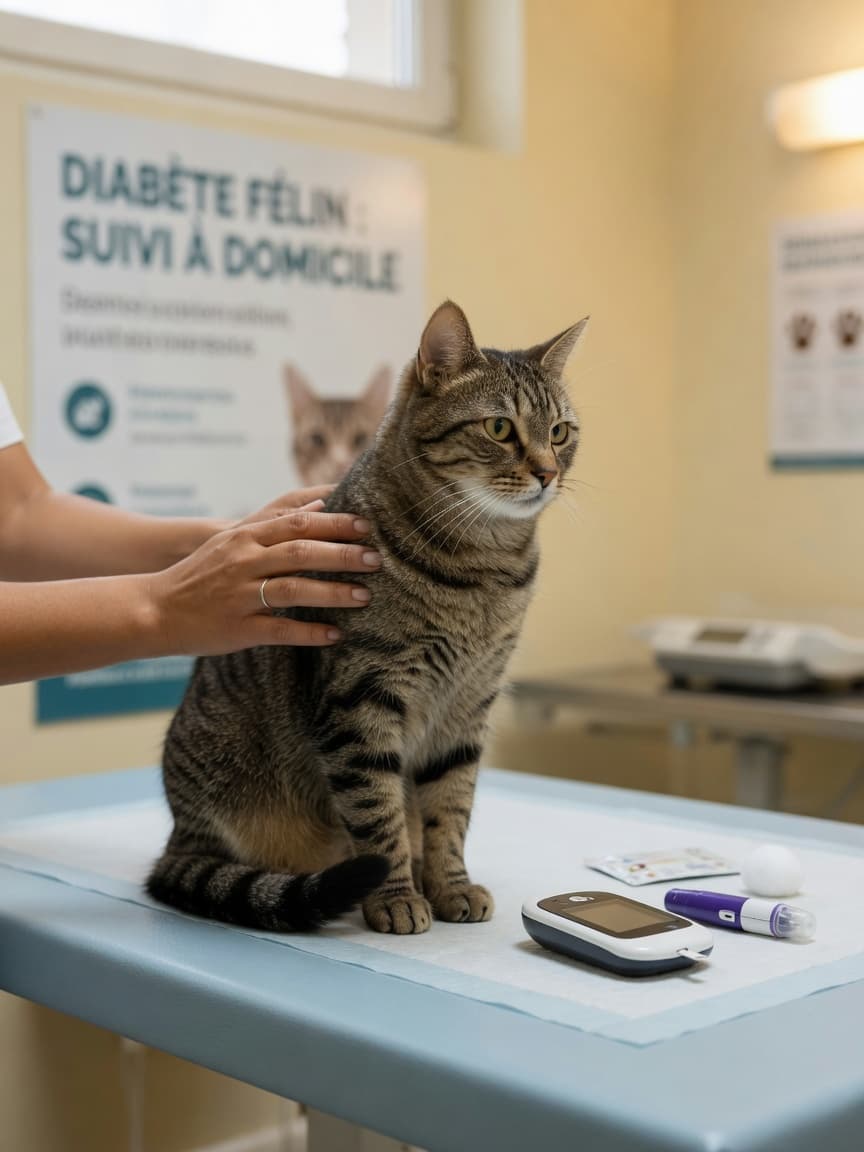
Discovering that your cat has diabetes can feel overwhelming, but the good news is that insulin isn't always the only treatment option. Many cats, particularly those diagnosed early, can achieve remission through dietary changes, weight management, and close veterinary monitoring. This comprehensive guide explores evidence-based approaches to managing feline diabetes without insulin, helping you give your beloved companion the best chance at a healthier life.
Understanding Feline Diabetes
Feline diabetes, predominantly Type 2, develops when cats become overweight and their bodies struggle to regulate blood sugar effectively. Unlike humans, cats have unique metabolic needs—they're obligate carnivores requiring high-protein, low-carbohydrate diets. Many commercial cat foods contain excessive carbohydrates, contributing significantly to obesity and diabetes development. The encouraging news is that remission rates can exceed 60% when caught early and managed aggressively with appropriate dietary intervention.
The Power of Dietary Change
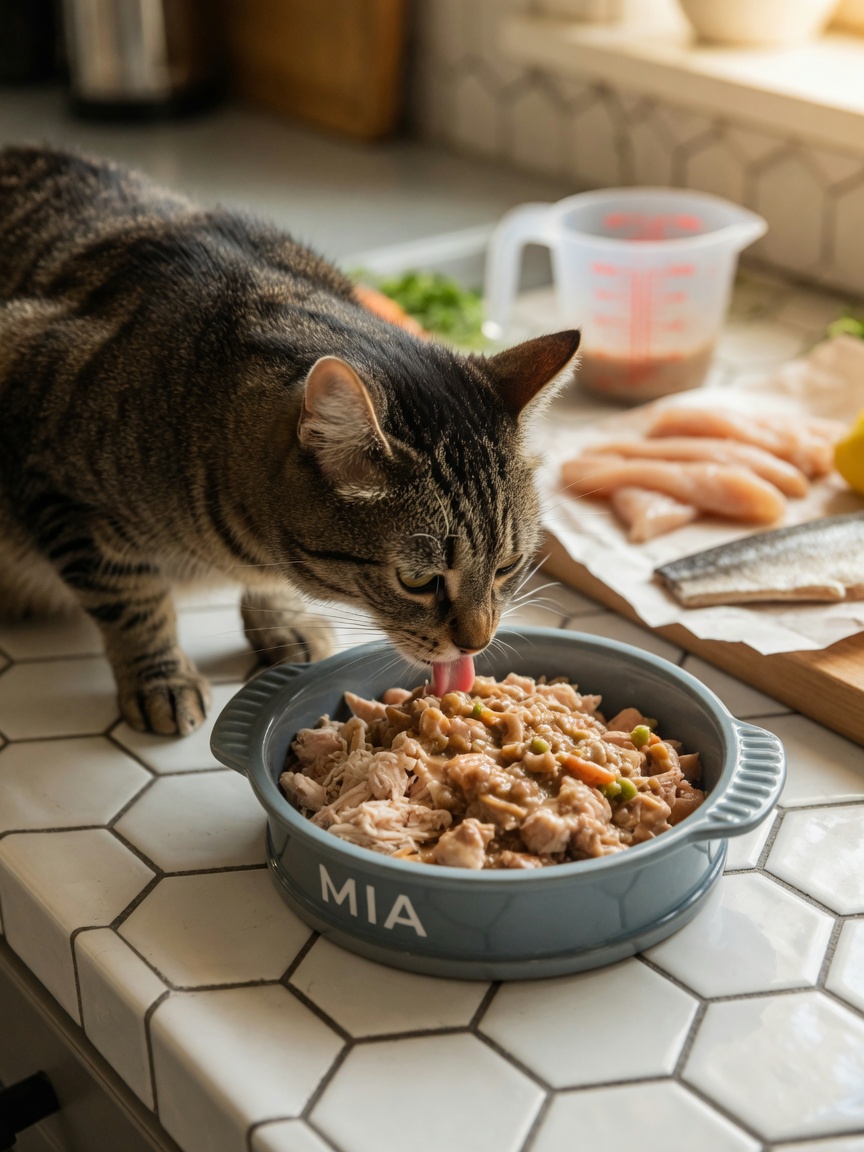
Diet is the cornerstone of insulin-free diabetes management. Research consistently demonstrates that feeding cats appropriate, species-specific nutrition can reverse diabetic symptoms and achieve complete remission.
- Switch to high-protein, low-carbohydrate foods: Aim for foods containing less than 10% carbohydrates (calculated on a dry matter basis). Wet foods typically contain lower carbohydrate levels than dry kibble
- Consider prescription diets: Your veterinarian can recommend clinical diets specifically formulated for diabetic cats, which often facilitate faster remission
- Transition gradually: Change foods over 7-10 days to prevent gastrointestinal upset and ensure your cat accepts the new diet
- Feed appropriate portions: Consult your vet about calorie requirements based on your cat's target weight
Weight Management and Exercise
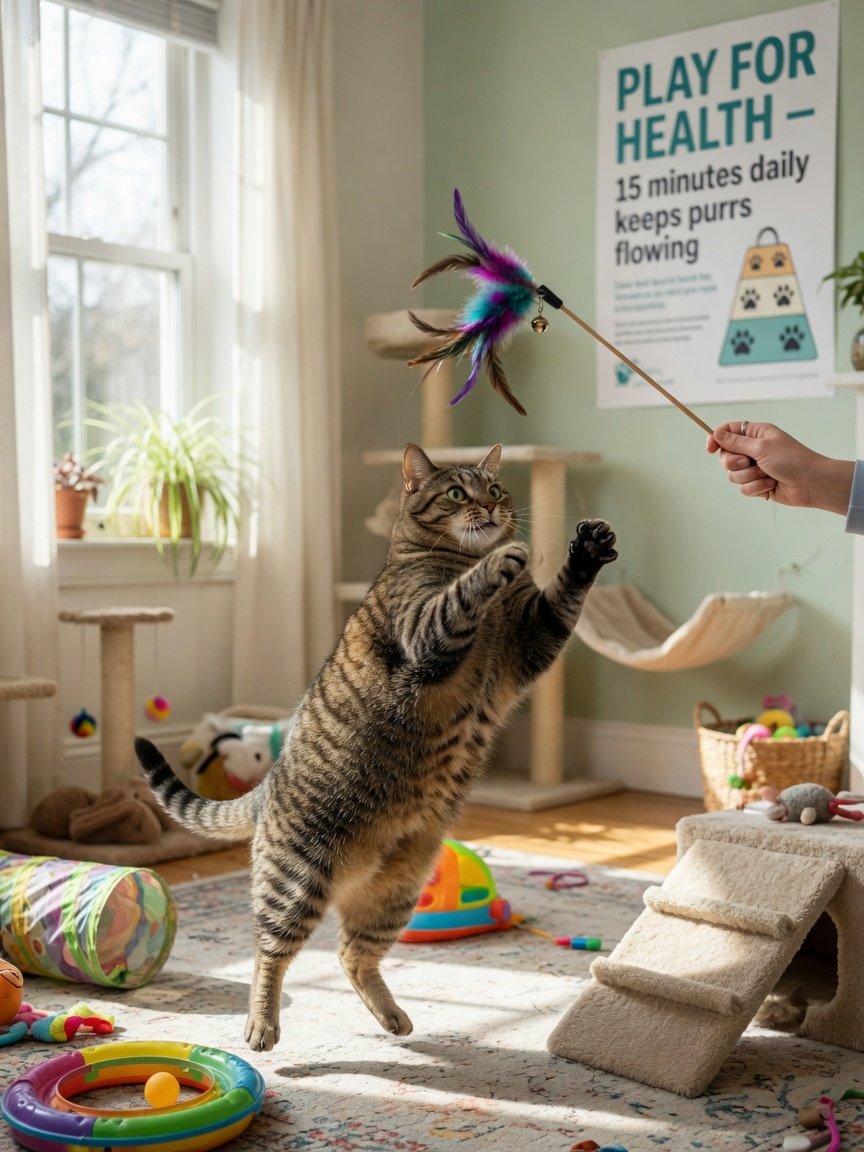
Obesity is the primary risk factor for feline diabetes. Gradual, sustainable weight loss (approximately 1-2% of body weight weekly) significantly improves insulin sensitivity without causing hepatic lipidosis, a serious condition in cats.
- Establish regular feeding schedules with measured portions
- Increase play and physical activity through interactive toys, laser pointers, or climbing structures
- Monitor progress monthly with veterinary weigh-ins
- Maintain patience—weight loss in cats takes time but yields remarkable results
Close Monitoring and Blood Glucose Management
Without insulin, consistent monitoring becomes essential. Work with your veterinarian to establish a monitoring schedule including regular blood glucose curves and fructosamine tests, which measure average blood sugar over two to three weeks. Home glucose monitoring using feline-specific devices allows you to track progress and identify trends between veterinary visits.
Supplements and Supportive Care
Whilst not replacements for dietary intervention, certain supplements support metabolic health:
- Chromium may enhance insulin sensitivity
- Omega-3 fatty acids reduce inflammation
- L-carnitine supports weight loss and metabolism
Always discuss supplements with your veterinarian before introduction, as interactions with other treatments are possible.
When to Reconsider Your Approach
Some cats don't achieve remission without insulin, and this doesn't represent failure. If, after three to six months of aggressive dietary management and weight loss, your cat's blood glucose remains elevated, insulin therapy becomes the appropriate choice. The goal is always your cat's wellbeing, whether that involves insulin or other interventions.
Key Takeaways
Managing feline diabetes without insulin is achievable for many cats through:
- Switching to high-protein, low-carbohydrate diets tailored to cats' nutritional needs
- Implementing gradual, consistent weight management
- Maintaining regular veterinary monitoring and blood glucose assessment
- Increasing physical activity and environmental enrichment
- Remaining patient—remission takes time but is genuinely possible
Your veterinarian remains your most valuable ally throughout this journey. Together, you can develop a personalised management plan that gives your diabetic cat the best opportunity for remission and a long, happy life.