
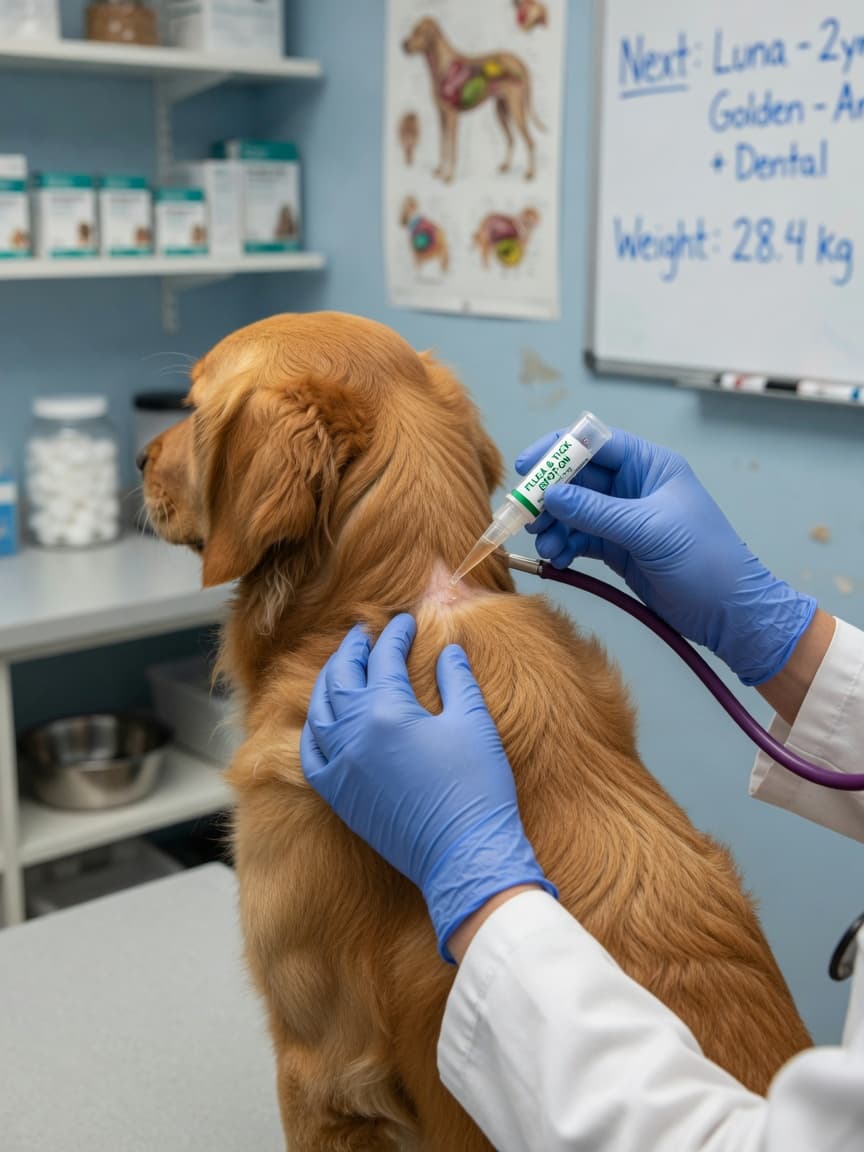
Fleas and ticks are more than just annoying pests—they can transmit serious diseases to your beloved dog, including Lyme disease, ehrlichiosis, and tapeworms. Yet with countless treatment options available, from spot-on liquids to tablets and collars, choosing the right one for your pet can feel overwhelming. The safest choice isn't necessarily the most popular one; it's the treatment that best matches your dog's individual health profile, lifestyle, and risk factors. This guide will help you navigate the options with confidence.
Understand the Main Treatment Types
Flea and tick treatments fall into several categories, each with distinct advantages and considerations:
- Topical treatments (spot-on): Applied directly to the skin, usually monthly. They work quickly but require careful application to prevent ingestion during grooming.
- Oral tablets: Given by mouth, often monthly or even every three months. These offer convenience and eliminate accidental ingestion concerns.
- Flea collars: Modern collars release protective gases or active ingredients. They're long-lasting but may not suit all dogs.
- Injectable treatments: Administered by your vet, these provide extended protection but are less commonly used.
- Shampoos and dips: Useful for immediate relief but offer shorter-term protection than other options.
Consider Your Dog's Individual Factors

The safest treatment for your neighbour's labrador might not be suitable for your terrier. When evaluating options, consider:
- Age and weight: Puppies under 8 weeks and very small breeds require specially formulated products.
- Health conditions: Dogs with liver or kidney disease, seizure disorders, or allergies need careful selection. Always discuss this with your vet.
- Medications: Some treatments interact with other drugs your dog may be taking.
- Coat type: Dogs with sensitive skin may react better to oral treatments than topical applications.
- Lifestyle: Outdoor dogs in high-tick areas may benefit from longer-lasting protection than indoor pets.
Check the Active Ingredients
Understanding what's actually killing the parasites helps you make informed decisions. Common active ingredients include pyrethroids, neonicotinoids, and isoxazolines. Each has a different safety profile:
- Pyrethroids: Effective but can cause sensitivity in some dogs. Not suitable for cats.
- Neonicotinoids: Generally well-tolerated with a good safety record in dogs.
- Isoxazolines: Highly effective but have been associated with neurological side effects in rare cases. Report any unusual behaviour to your vet immediately.
Research the specific ingredient in any treatment you're considering and discuss potential side effects with your veterinarian.
Involve Your Veterinarian
This cannot be overstated: your vet is your best resource. They understand your dog's complete health picture and can recommend treatments that balance efficacy with safety. Your vet can also:
- Assess whether your dog truly needs year-round protection or seasonal treatment
- Monitor for side effects during and after treatment
- Adjust your approach if your dog shows any adverse reactions
- Provide prescription-only options that may be safer for your pet
Watch for Side Effects
After starting any new flea and tick treatment, observe your dog closely for the first 24-48 hours. Common mild reactions include temporary irritation at the application site or mild lethargy. However, report any of these to your vet immediately: vomiting, diarrhoea, loss of appetite, excessive drooling, tremors, or behavioural changes.
Key Takeaways for Safe Treatment
- Never use cat flea treatments on dogs—the concentrations differ significantly and can cause toxicity.
- Buy only from reputable sources: your vet, registered pharmacies, or established online retailers that require prescriptions.
- Avoid over-the-counter treatments without veterinary guidance; they may be less effective or less safe than prescription alternatives.
- Maintain consistent, year-round protection if you live in a temperate climate; seasonal treatment may suffice in colder regions.
- Keep detailed records of which treatments you've used and any reactions your dog experienced.
Choosing the safest flea and tick treatment means taking time to understand your options, knowing your dog's individual needs, and partnering with your veterinarian. There's no universal "best" product—only the best choice for your dog.