
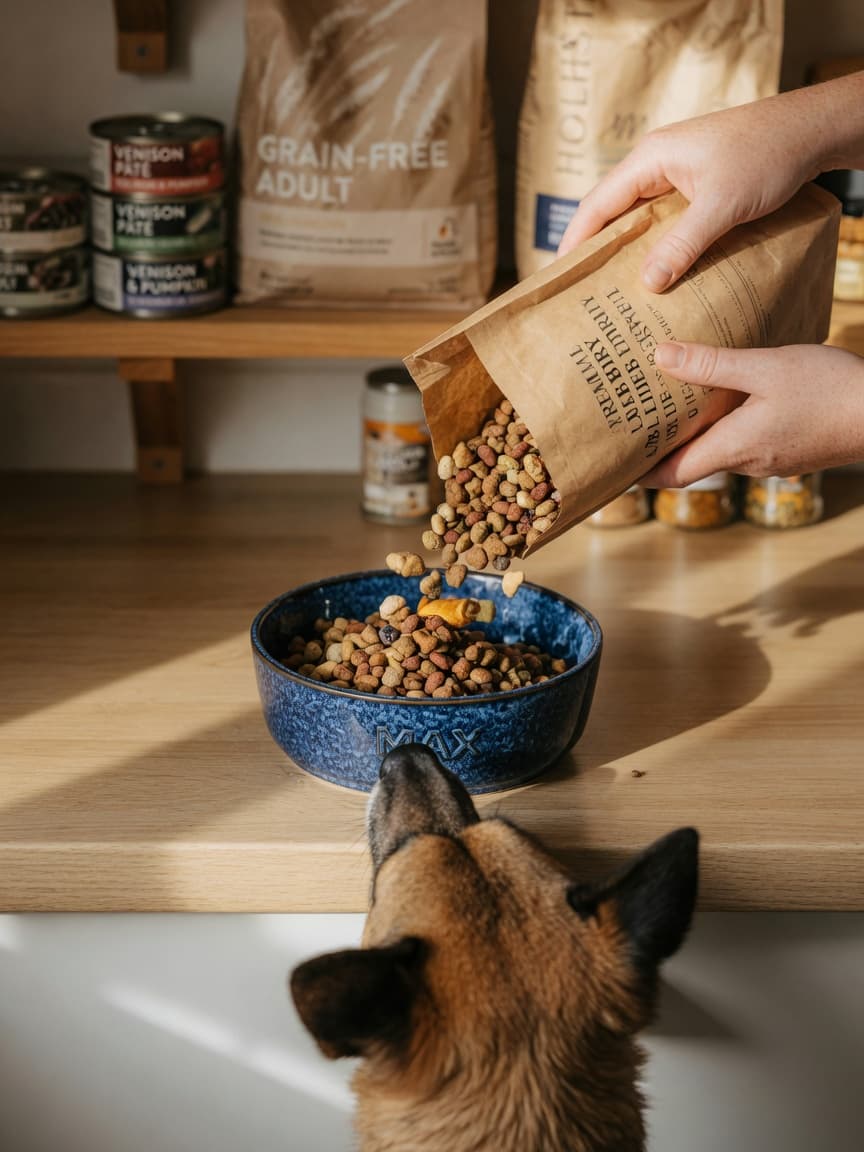
Selecting the right dog food is one of the most important decisions you'll make for your pet's health and longevity. With countless options lining supermarket shelves and online retailers, it's easy to feel overwhelmed. However, choosing a nutritionally balanced diet that suits your individual dog's needs doesn't have to be complicated. By following vet-approved guidance and understanding what to look for on packaging, you can confidently select a food that supports your dog's wellbeing, energy levels, and coat condition.
1. Understand Your Dog's Life Stage and Size
Dogs have different nutritional requirements depending on their age, size, and activity level. Puppies require higher calories and specific ratios of calcium and phosphorus for proper bone development, whilst senior dogs benefit from joint-supporting nutrients and lower caloric content to prevent obesity. Large breed puppies, in particular, need carefully balanced growth foods to prevent developmental orthopedic disease.
- Puppies: Look for foods specifically formulated for growth with appropriate calcium and phosphorus levels
- Adult dogs: Standard maintenance formulas work well for most dogs aged 1–7 years
- Senior dogs: Choose foods with glucosamine, lower fat content, and enhanced digestibility
- Large breeds: Select foods designed to support joint health and controlled growth rates
2. Check the Ingredient List and Protein Quality
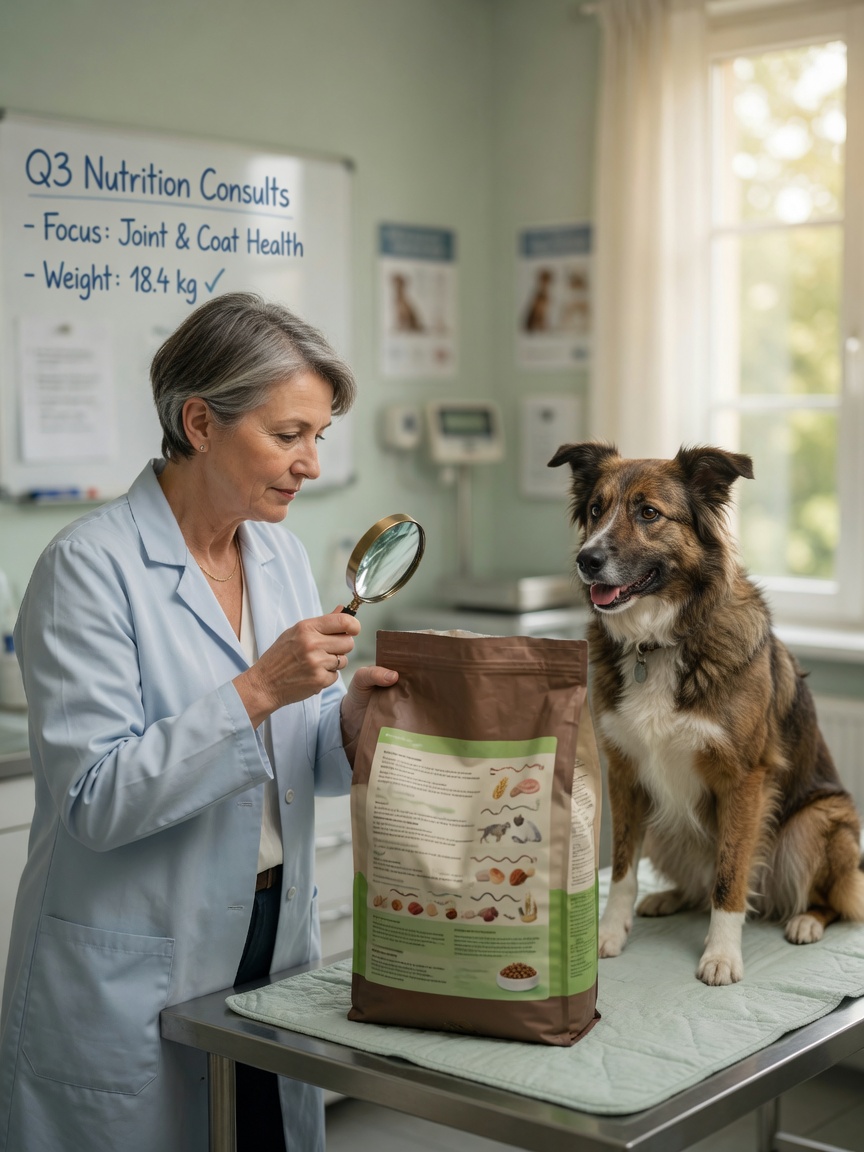
The ingredient list tells you exactly what's in your dog's food, listed by weight. High-quality dog foods typically feature a named meat source (such as chicken, beef, or fish) as the first ingredient, indicating it's the predominant component. Avoid foods with vague terms like "meat meal" or "animal by-products," as these provide lower-quality protein sources.
Aim for foods containing at least 18% protein for adult dogs, though working or highly active dogs may benefit from 25% or higher. However, remember that more protein isn't always better—balance is key. Your vet can recommend an appropriate protein level based on your dog's individual health profile.
3. Look for AAFCO Certification
The Association of American Feed Control Officials (AAFCO) establishes nutritional standards for pet foods. Foods meeting these standards display a statement confirming they're "complete and balanced" for your dog's life stage. This certification ensures the food provides essential vitamins, minerals, amino acids, and fatty acids in proper proportions.
Always verify this statement appears on the packaging—it's your assurance that the food meets recognised nutritional standards.
4. Consider Your Dog's Individual Health Needs
Some dogs require specialised diets due to health conditions, allergies, or sensitivities. If your dog has digestive issues, consult your vet about limited-ingredient diets or foods with novel proteins. Dogs with allergies may benefit from foods excluding common allergens like wheat, soy, or chicken.
- Weight management formulas for overweight dogs with reduced calories
- Sensitive skin and coat foods for dogs with dermatological concerns
- Prescription diets for specific health conditions (kidney disease, diabetes, etc.)
- Limited-ingredient diets for food sensitivities
5. Make Gradual Transitions and Monitor Results
When switching to a new food, introduce it gradually over 7–10 days, mixing increasing amounts of the new food with the old. Abrupt changes can cause digestive upset. Monitor your dog's response—a healthy coat, good energy levels, and consistent digestion indicate the food is working well.
Key Takeaways
Choosing the right dog food requires considering your dog's age, size, activity level, and individual health needs. Prioritise foods with named meat sources, AAFCO certification, and appropriate protein levels. When in doubt, consult your veterinarian—they understand your dog's medical history and can recommend the most suitable option. Remember, the best dog food is one that keeps your pet thriving with a lustrous coat, ideal weight, and excellent digestion for years to come.