
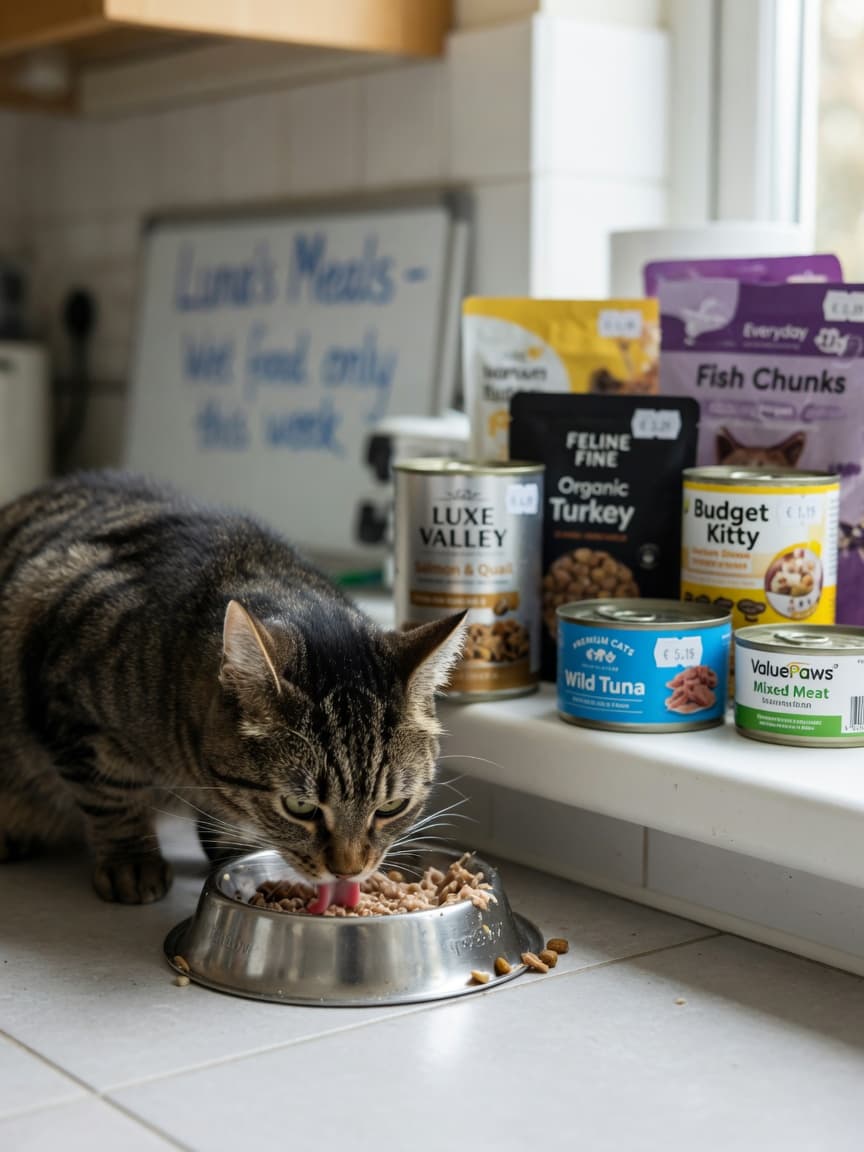
Choosing the right food for your cat is one of the most important decisions you'll make as a pet owner. With countless options on supermarket shelves and online retailers, understanding what separates excellent nutrition from marketing hype can feel overwhelming. This guide breaks down the key factors—from ingredient quality to portion control—to help you select food that genuinely supports your cat's health and wellbeing.
Understanding By-Products and Meat Content
By-products often have a negative reputation, but the reality is more nuanced. Animal by-products include organ meats, bones, and other parts that are nutritionally valuable for cats. The concern isn't necessarily that by-products are present, but rather their quality and how they're sourced.
- Named meat by-products: Ingredients like "chicken by-products" or "beef by-products" are more transparent than unnamed sources
- Meat meals: These are concentrated proteins made by rendering meat and removing moisture—generally a good protein source
- Unspecified "meat and bone meal": Avoid foods listing generic meat sources, as quality is harder to verify
- Fresh meat first: Look for foods listing named fresh meats (chicken, fish, beef) as primary ingredients
Cats are obligate carnivores, meaning they require animal-based proteins to thrive. Aim for foods where the first two to three ingredients are identifiable meat sources.
The Grain Debate: What the Science Shows
Grain-free doesn't automatically mean better. In fact, research suggests that some grain-free diets may be linked to certain heart conditions in cats. The real issue isn't grains themselves, but rather the quality of the overall formula.
- Whole grains are acceptable: Whole wheat, brown rice, and oats provide fibre and nutrients
- Avoid excessive fillers: Foods relying heavily on corn, wheat gluten, or soya as primary ingredients often offer lower nutritional value
- Grain-free alternatives: If using grain-free options, ensure they contain appropriate vegetables, legumes, or other carbohydrate sources
- Individual needs vary: Some cats have genuine grain sensitivities; others thrive on foods containing grains
Rather than obsessing over grain content, focus on whether the overall nutritional profile meets your cat's specific needs.
Making Sense of Price and Value
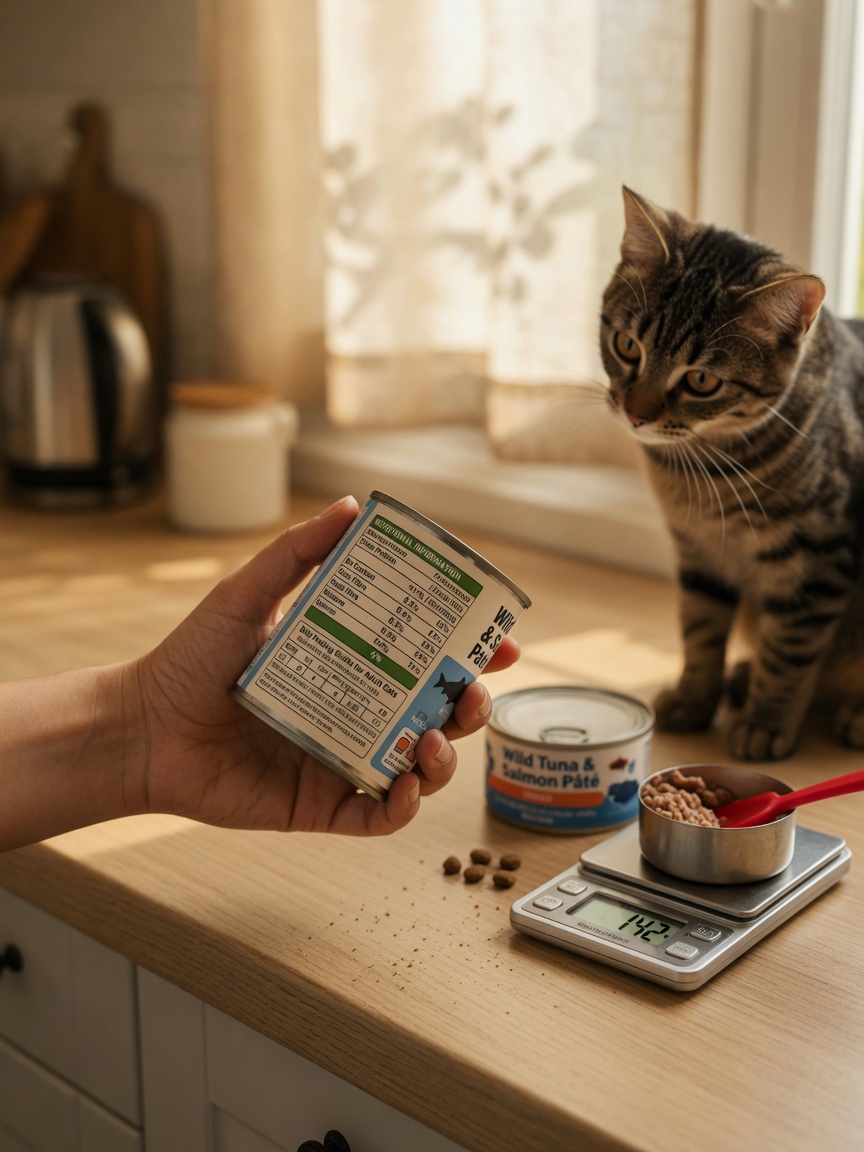
Expensive doesn't always mean superior, but significantly cheaper foods often cut corners on ingredient quality. Consider the actual nutritional value rather than the price per tin alone.
- Calculate cost per feeding: Divide the food's cost by recommended daily portions—premium foods often require smaller portions due to higher digestibility
- Check digestibility ratings: Higher-quality ingredients mean better nutrient absorption and potentially fewer health issues
- Look for AAFCO certification: Ensure the food meets Association of American Feed Control Officials standards
- Compare protein percentages: Better foods typically contain 25-40% crude protein for adult cats
A mid-range food with excellent ingredients often represents better value than either budget or ultra-premium options.
Getting Portion Sizes Right
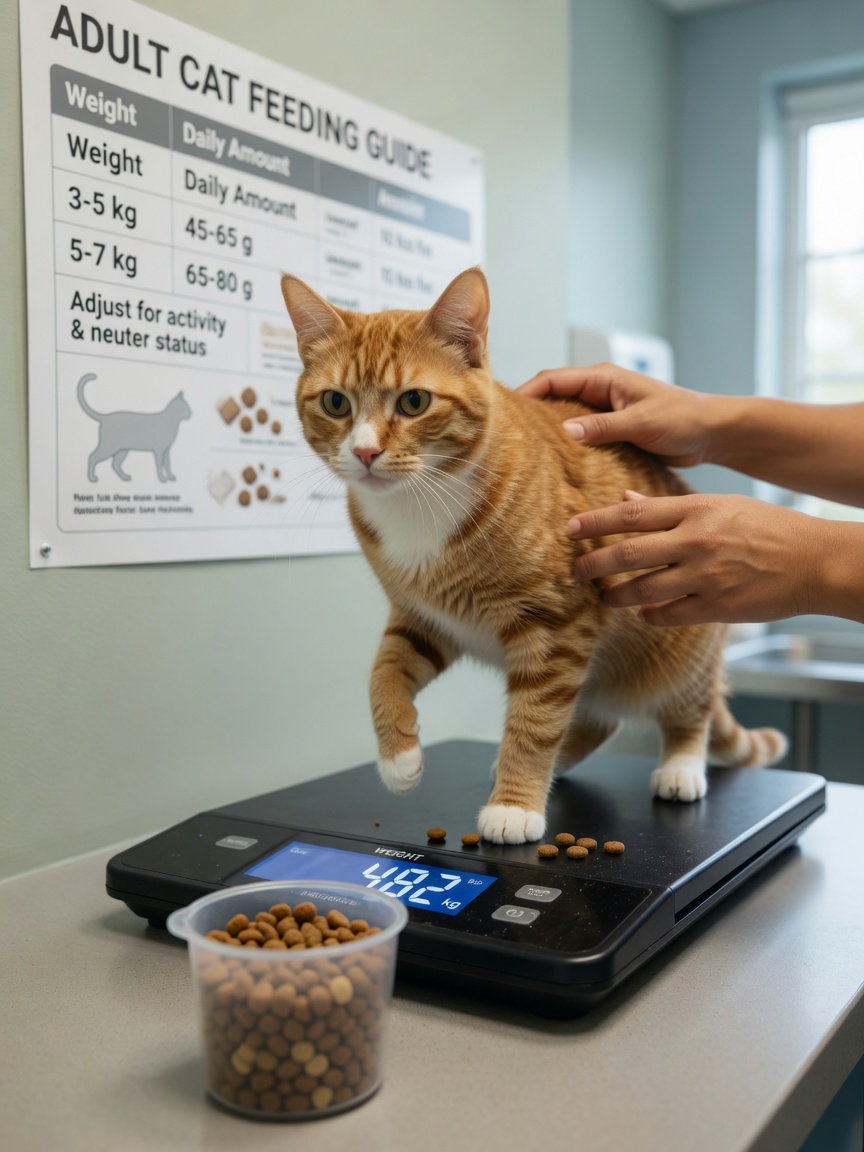
Obesity affects approximately 60% of cats in the UK, often resulting from overfeeding rather than poor food quality. Correct portions are crucial for maintaining a healthy weight.
- Follow feeding guidelines: These appear on packaging based on your cat's weight and activity level
- Adjust for individual cats: Metabolic rates vary; monitor your cat's weight and adjust accordingly
- Measure portions accurately: Use a kitchen scale or measuring cup rather than eyeballing
- Account for treats: Treats should constitute no more than 10% of daily calorie intake
- Consider your cat's age: Senior cats (over 10 years) may need adjusted portions as metabolism slows
Making the Transition
When switching to new food, introduce it gradually over 7-10 days to avoid digestive upset. Mix increasing amounts of the new food with the old, monitoring your cat for any adverse reactions.
Key Takeaways
The best cat food for your pet combines high-quality, named meat ingredients, appropriate carbohydrate sources (whether grain-inclusive or not), transparent labelling, and correct portion sizing for your individual cat. Rather than following trends, assess each food based on nutritional composition and your cat's individual response. When in doubt, consult your veterinary surgeon, particularly if your cat has existing health conditions or dietary sensitivities.