

The Ageing Dog and the Changing Vet Schedule
For most of a dog's adult life, the standard guidance is an annual veterinary check-up alongside routine vaccinations. This schedule works reasonably well for healthy young and middle-aged dogs. But once a dog enters their senior years, the landscape shifts considerably. Conditions that can be managed easily when caught early — kidney disease, heart disease, diabetes, hypothyroidism, early cancer — can become serious or irreversible if detected late. The once-a-year visit that served your dog well at age three is simply not enough at age ten.
So what does the evidence say, and how do you build a vet schedule that genuinely serves an ageing dog?
When Does a Dog Become a Senior?
There is no single threshold. The answer depends significantly on breed and body size. Larger breeds age faster than smaller ones, a well-established phenomenon in veterinary medicine.
- Small breeds (under 10kg): generally considered senior from around 10 to 11 years
- Medium breeds (10 to 25kg): senior from approximately 9 to 10 years
- Large breeds (25 to 40kg): senior from around 7 to 8 years
- Giant breeds (over 40kg): senior as early as 5 to 6 years
A Great Dane at seven is physiologically much older than a Chihuahua at the same age. Knowing where your dog sits on this spectrum helps you understand when to increase the frequency of health monitoring.
The Standard Recommendation: Twice a Year
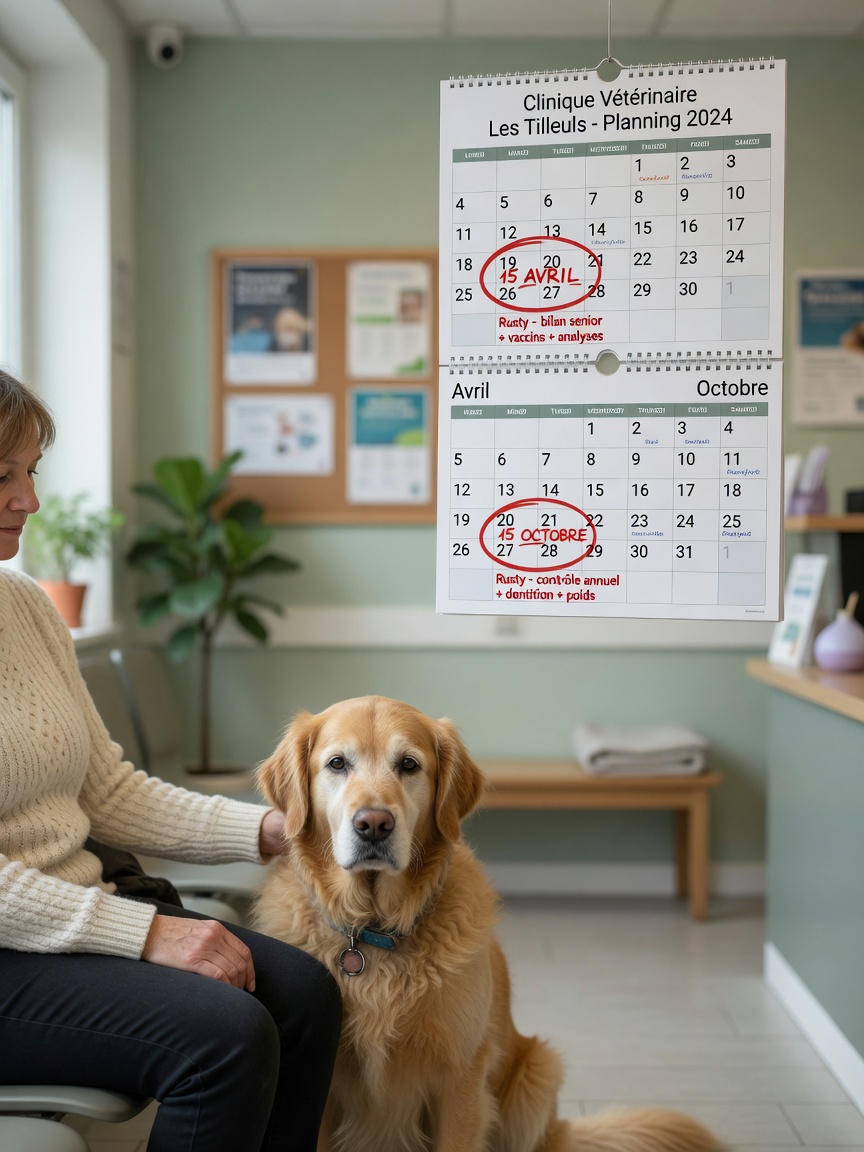
Most veterinary professional bodies, including the British Veterinary Association, recommend that senior dogs receive a health check every six months rather than annually. The reasoning is straightforward: in human terms, a year in the life of a senior dog is equivalent to five to eight human years. A lot can change in that time, and conditions that were absent or subclinical at one annual check can become significantly advanced by the next.
Twice-yearly visits are not about being over-cautious — they are about matching the pace of health monitoring to the pace at which an older body changes.
What Happens at a Senior Health Check
A senior wellness examination is more comprehensive than a standard adult check-up. Your vet is specifically looking for the early signs of age-related disease, many of which are detectable before your dog shows any symptoms at home.
Physical Examination
Your vet will assess body weight and body condition score, as both weight loss and weight gain in older dogs can indicate underlying disease. They will examine the eyes for signs of cataracts or glaucoma, the ears for chronic infection, the mouth for dental disease, the lymph nodes for enlargement, the abdomen for organ changes, the heart and lungs, the skin and coat, and the musculoskeletal system for signs of pain or muscle loss.
Blood and Urine Testing
Annual, and sometimes six-monthly, blood panels are a cornerstone of senior dog care. A full biochemistry panel assesses kidney and liver function, blood sugar, electrolytes, and thyroid hormones. A complete blood count looks at red and white blood cells and platelets. Urinalysis provides detailed information about kidney concentrating ability and can pick up early kidney disease, urinary tract infections, and diabetes before clinical signs develop.
These tests establish a baseline for your individual dog. Values that are within the normal range but trending in a particular direction are often just as informative as values outside the reference range.
Blood Pressure Measurement
High blood pressure is common in older dogs, particularly those with kidney disease, hypothyroidism, or Cushing's disease. It can damage the eyes, kidneys, heart, and brain without producing obvious symptoms until significant harm has occurred. Blood pressure measurement is a simple, non-invasive procedure and should be a routine part of senior wellness care.
Additional Monitoring Between Vet Visits
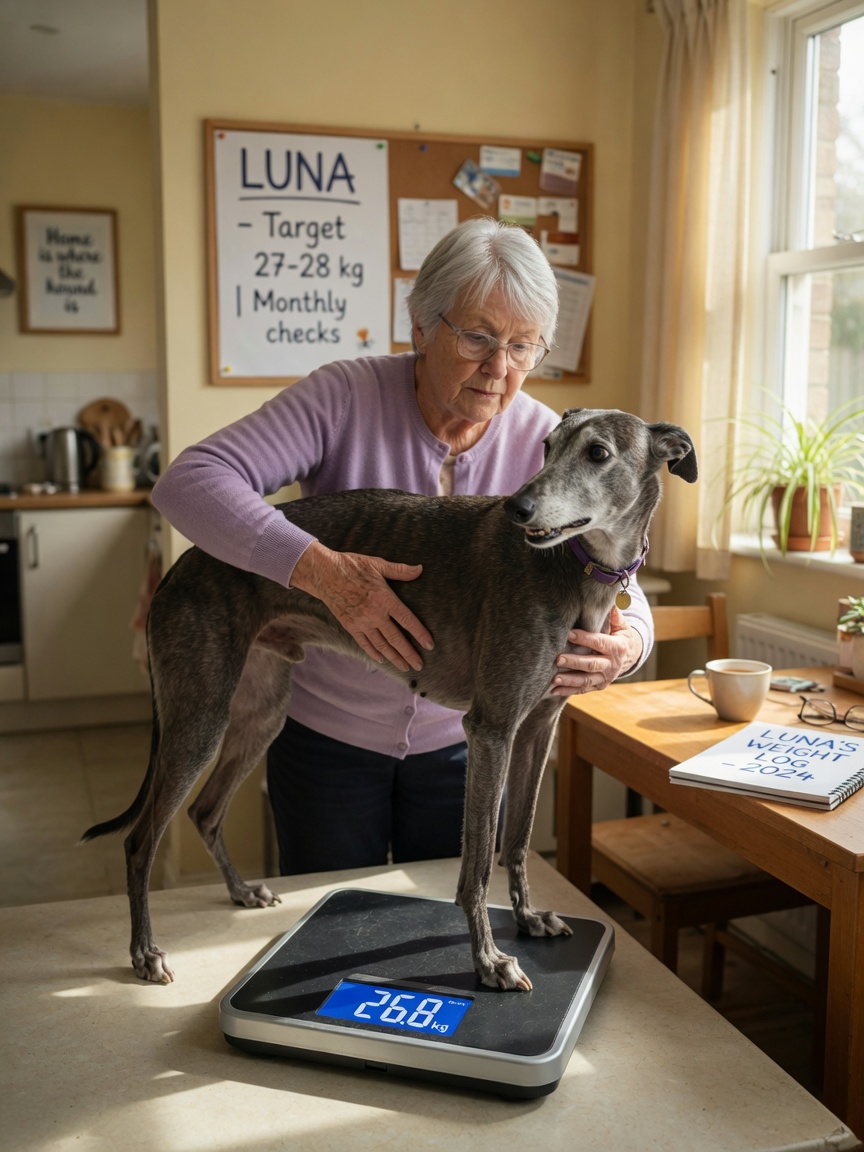
Vet visits are essential, but so is what happens at home between appointments. As a dog's owner, you are in the best position to notice subtle changes that develop gradually over weeks or months.
- Weigh your dog monthly at home or at a vet clinic with a walk-on scale. Unexplained weight loss in a senior dog is always significant.
- Monitor water intake. Increased thirst is one of the most consistent early signs of kidney disease, diabetes, and Cushing's disease.
- Track urination frequency. Changes in how often your dog needs to go out, or urinary accidents, warrant a veterinary conversation.
- Note changes in appetite, exercise tolerance, breathing at rest, or coughing, as these can indicate cardiac or respiratory changes.
- Keep a simple monthly diary noting any behavioural or physical changes. Even minor observations can be valuable context for your vet.
Dental Care in the Senior Dog
Dental disease is almost universal in middle-aged and older dogs and is significantly underappreciated as a health issue. Chronic dental disease does not only cause pain — there is growing evidence linking periodontal infection to systemic inflammation affecting the kidneys, heart, and liver. Senior dogs should have a dental assessment at every check-up, and many will benefit from professional dental cleaning under anaesthesia, which can be performed safely in older dogs with appropriate pre-anaesthetic screening.
Vaccinations in the Senior Dog
Vaccination protocols for senior dogs are often misunderstood. Older dogs do not require more frequent vaccination, but they should not be under-vaccinated either. Antibody titre testing is available for core vaccines (distemper, parvovirus, and adenovirus) and can confirm whether your dog's immunity remains protective. This is a useful option for dogs where owners wish to minimise the total number of vaccinations whilst ensuring adequate protection. Discuss the most appropriate approach for your individual dog with your vet.
When to See the Vet Outside of Scheduled Visits
Alongside regular scheduled check-ups, senior dog owners should have a low threshold for unscheduled veterinary visits. Signs that warrant prompt attention include sudden changes in appetite, unexplained weight loss, new lumps or bumps, coughing, laboured breathing, difficulty walking or getting up, collapse, or any significant change in behaviour or personality.
The goal of increased veterinary monitoring in senior dogs is not to medicalize normal ageing but to catch the conditions that are treatable early enough to make a genuine difference. Most of the diseases that shorten dogs' lives are far more manageable when identified in their early stages. A twice-yearly vet schedule, combined with attentive monitoring at home, is one of the most meaningful things you can do for a dog you love.