
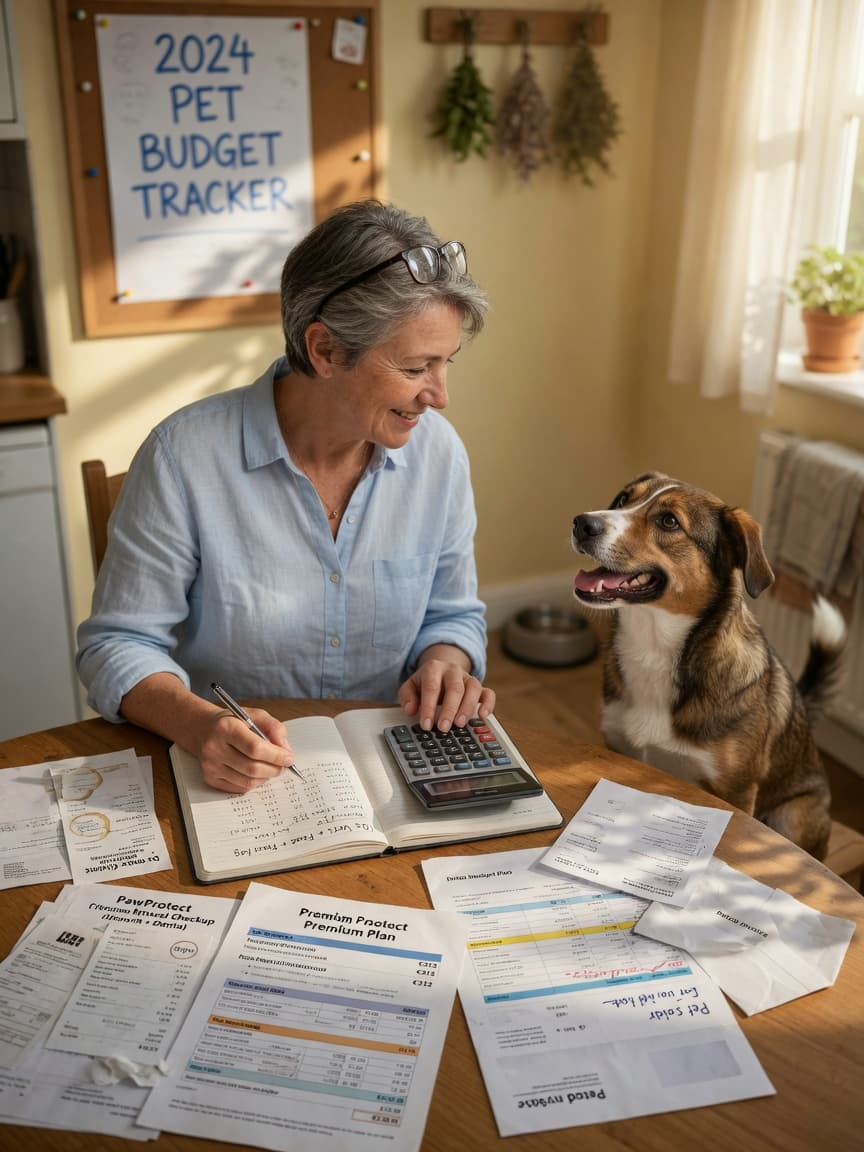
True Cost of Owning a Dog: Year-by-Year Breakdown
By Julia Wrenfield, Pet Wellness Researcher | ForPetsHealthcare.com
The Real Price of a Dog — Beyond the Purchase Price
People researching the cost of getting a dog tend to focus on the upfront price: a Labrador puppy from a reputable breeder might cost £1,200–£2,000; a rescue dog might cost £150–£350 in adoption fees. These are real costs, but they're a small fraction of what you'll actually spend over a dog's lifetime.
The Dogs Trust estimates the lifetime cost of owning a dog in the UK at over £30,000. That figure sounds alarming out of context, but spread over 10–14 years it works out to roughly £2,000–£3,500 per year — a meaningful but plannable expense for most households. The distribution of that cost, however, is uneven: puppyhood and old age tend to be more expensive than the middle years, and a single health crisis can spike costs dramatically in any year.
Year One: The Most Expensive Year
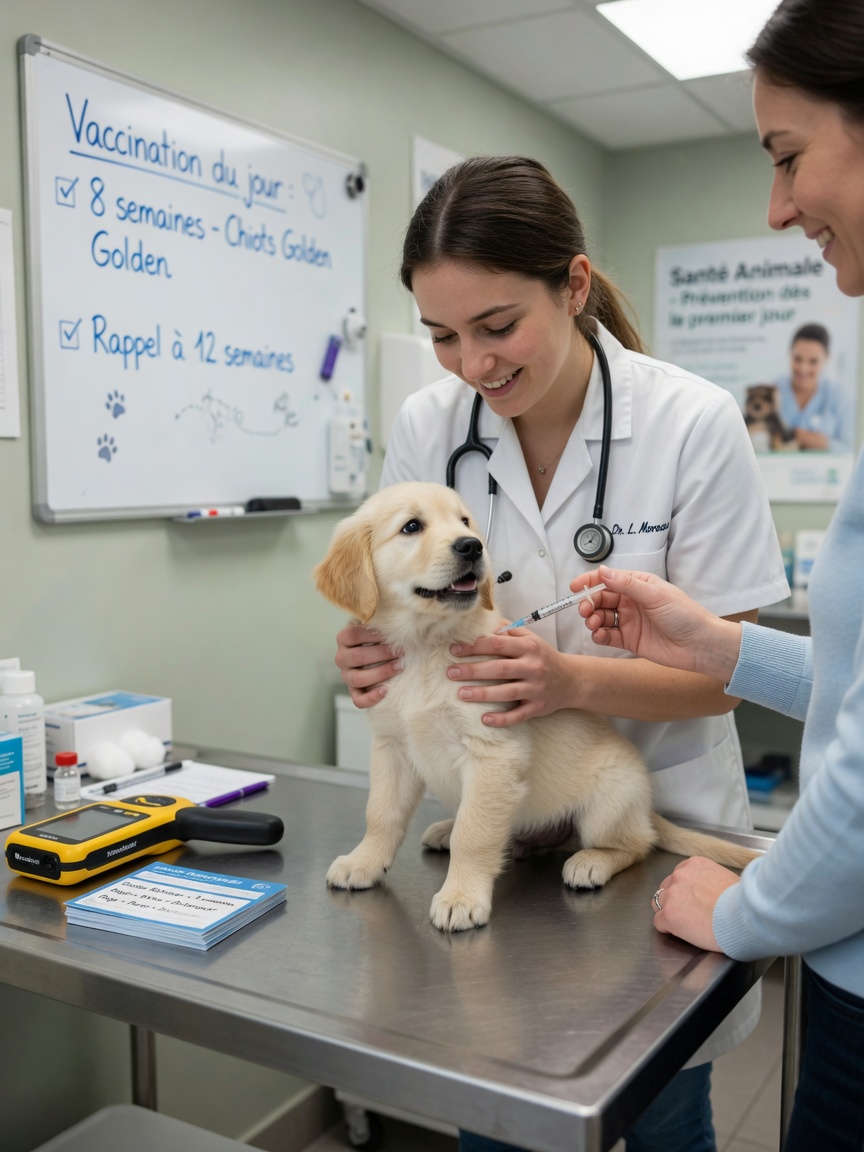
The first year of dog ownership is almost always the most expensive, regardless of breed or size. One-off setup costs stack on top of recurring annual expenses, and puppies require more frequent vet visits than adult dogs.
Estimated first-year costs for a medium-sized dog in the UK:
- Purchase/adoption cost: £150–£2,000 (rescue vs. pedigree puppy)
- Initial vet check and first vaccinations: £100–£200
- Booster vaccinations (puppy course): £60–£120
- Microchipping (if not already done): £20–£40
- Neutering: £150–£400 (varies by sex and size)
- Dog bed, crate, lead, collar, bowls, toys: £150–£400
- Food (annual): £400–£1,200 (quality dry food for medium dog)
- Flea, tick, and worm prevention: £100–£200/year
- Pet insurance (lifetime policy): £400–£700/year
- Dog training classes: £100–£300 (6–8 week course)
- Grooming (if required by breed): £0–£600/year
Total estimated first-year cost (excluding purchase price): £1,500–£4,200, with wide variation by breed, choices made, and whether health issues arise.
Years Two to Five: The Stable Middle Phase
Once your dog is past puppyhood, costs typically stabilise. Annual boosters replace the puppy vaccination course, neutering is done, and setup costs don't recur. The main ongoing expenses are food, preventive healthcare, insurance, and any breed-specific grooming or care needs.
Estimated annual costs for a healthy adult medium dog (years 2–5):
- Food: £400–£1,200/year
- Annual booster vaccination + health check: £50–£100
- Flea, tick, and worm prevention: £100–£200/year
- Pet insurance: £400–£700/year
- Grooming: £0–£600/year
- Treats, toys, accessories: £100–£300/year
- Dog walker/daycare (if used): £500–£3,000/year
- Kennels/pet sitter during holidays: £200–£800/year
Estimated total (without dog walker or major vet costs): £1,250–£3,100/year. Add a dog walker for two days a week and that jumps significantly — a full-time dog walker at £15–£25/hour per day adds roughly £1,500–£2,500 annually.
The Hidden Cost: Dog Walkers, Daycare, and Boarding
One cost that catches many new dog owners off guard is the expense of care when they're at work or on holiday. Dogs cannot be left alone for extended periods — most behavioural experts recommend no more than four hours without human contact. If you work full-time, some combination of dog walkers, doggy daycare, or a trusted pet-sitter is essential.
Group dog walking in the UK typically costs £12–£20 per walk; solo walks cost more. Doggy daycare runs £20–£40 per day. For a working owner using daycare five days a week, this adds £400–£800 per month — a very significant cost that should be factored in before getting a dog.
Years Six to Ten: Steady Costs With Rising Health Risk
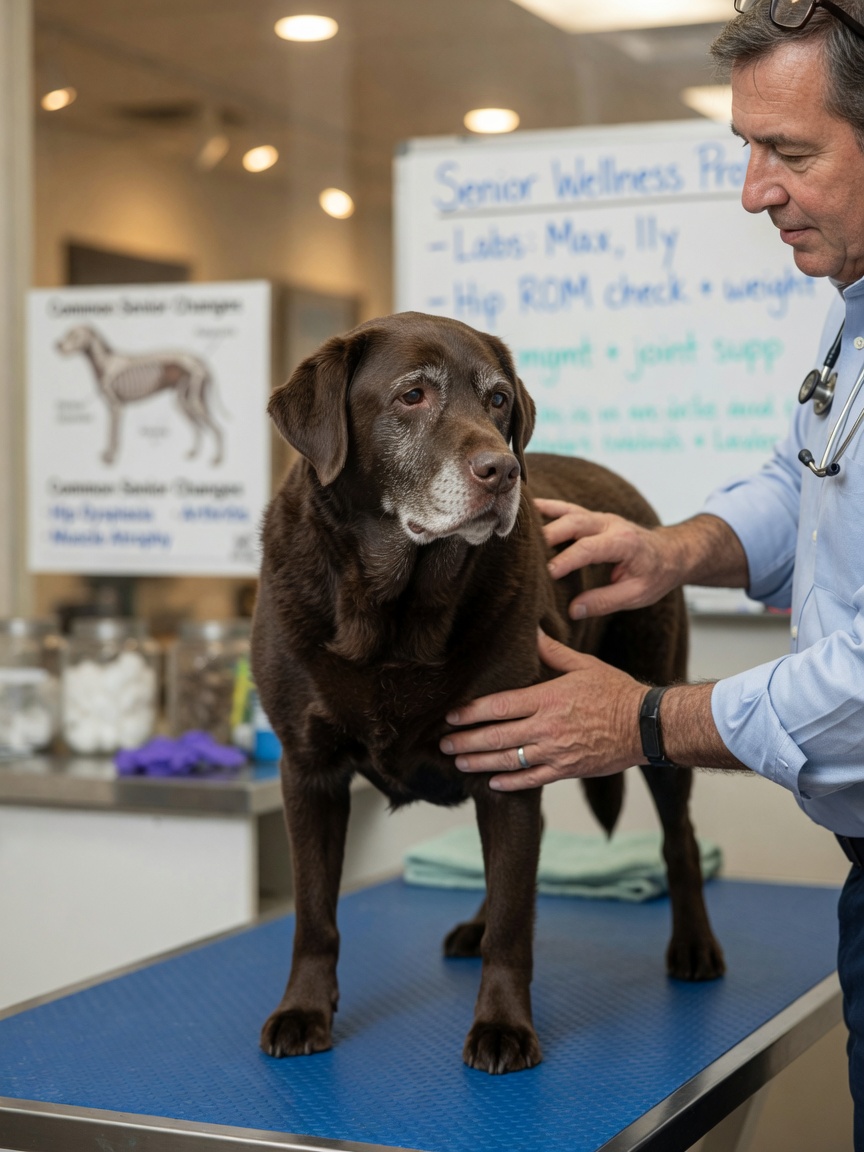
From middle age onwards (roughly 6–8 years depending on breed and size), the probability of health issues increases and insurance premiums start to rise noticeably. Large breeds age faster than small ones — a Great Dane is considered a senior at 6; a Miniature Poodle might not be until 10.
More frequent vet visits for health monitoring, dental care, joint supplements, and management of emerging chronic conditions start to add up. Dental cleaning under general anaesthesia — often needed every 2–3 years in adult dogs — typically costs £300–£600.
Annual dental care, increased vet checks, and additional supplements in the senior years can add £300–£800 per year above mid-life baseline costs.
Years Ten Onwards: End-of-Life Costs
Senior dogs require more frequent vet visits, often more complex medication regimes, and potentially specialist care or palliative management. Insurance premiums for dogs over 10 can rise steeply — some owners find premiums exceed £1,000–£1,500 per year for older large breeds.
End-of-life care, when the time comes, has its own costs. Euthanasia at a practice typically costs £100–£250 in the UK. Home euthanasia services cost more, typically £200–£400, but many owners find the setting significantly more peaceful. Cremation costs £100–£350 depending on whether individual or communal cremation is chosen.
Breed Matters: Size and Predisposition Drive Lifetime Cost
Breed is a major cost variable that prospective owners sometimes underweight. Giant breeds like Great Danes and Saint Bernards cost significantly more to feed (twice the food of a Spaniel), insure (higher premiums due to shorter lifespan and health risks), and treat (drug doses scale with weight). Brachycephalic breeds (French Bulldogs, Pugs, English Bulldogs) are among the most expensive to own due to structural health problems requiring frequent veterinary intervention.
Mixed-breed dogs from rescue centres often have lower lifetime health costs than pedigree dogs, though this is not universal. They also come with lower (or no) upfront purchase costs.
Lifetime Cost Summary
For a medium-sized, generally healthy dog in the UK, a realistic lifetime cost estimate (excluding purchase price) is:
- Conservative (rescue dog, home groomed, no walker needed): £20,000–£25,000 over 12 years
- Typical (pedigree, professional grooming, occasional walker): £30,000–£40,000 over 12 years
- High-end (pedigree with health issues, regular daycare, specialist care): £50,000+ over 12 years
Key Takeaways
- Year one is the most expensive — estimate £1,500–£4,200 in recurring costs alone, plus purchase price.
- Stable years (2–5) typically cost £1,250–£3,100/year for a medium dog without a dog walker.
- Dog walkers and daycare can add £1,500–£2,500/year — a major hidden cost for working owners.
- Senior years bring rising insurance premiums, more frequent vet visits, and potential specialist care costs.
- Breed choice significantly affects lifetime cost — brachycephalic and giant breeds carry the highest financial risk.
- Total lifetime cost in the UK typically runs £20,000–£40,000 for a medium, healthy dog over 12 years (estimates).
References
Written by Julia Wrenfield, Pet Wellness Researcher | ForPetsHealthcare.com