

Most Dog-Friendly Countries in Europe: Where Pets Are Welcome
Ask any dog owner who has travelled across Europe and they'll tell you: the difference between countries is enormous. In Paris, your dog can sit beside you in a brasserie while you eat. In Munich, he'll be welcome on the U-Bahn. In Lisbon, you'll find dog water bowls outside almost every café. In contrast, some popular tourist destinations in the Mediterranean treat dogs as unwelcome nuisances in public spaces.
This guide is based on a combination of official regulations, cultural attitudes, public transport access, accommodation availability, and on-the-ground experience from European dog owners and travellers. Let's break it down country by country.
1. France: The Gold Standard
France is widely considered the most dog-friendly country in Europe — and with good reason. The French have a deep cultural attachment to their dogs, treating them as genuine family members rather than accessories. Dogs are routinely welcomed in restaurants (including starred establishments), allowed on trains (with a small ticket), and present in hotels, shops, and markets. Paris alone is estimated to have more dogs than children.
Practically, dogs under 6 kg travel free on SNCF trains; larger dogs require a half-price ticket and must be muzzled. Most beaches allow dogs outside the summer season (June–September), and many have year-round dog zones. France has no national breed-specific legislation, though local municipalities can impose restrictions.
The Guardian's France section regularly features travel content on France's dog-welcoming culture.
2. Germany: Practical Dog-Friendliness
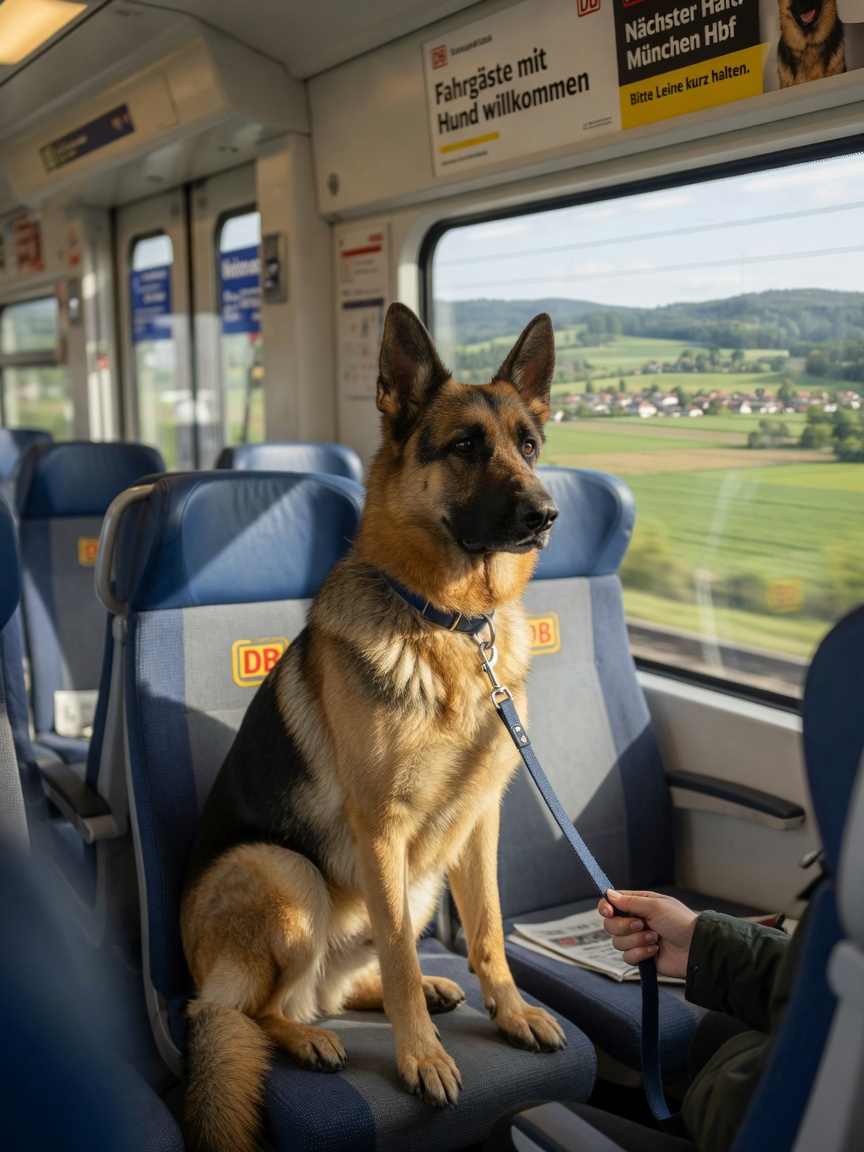
Germany approaches dog-friendliness with the same systematic thoroughness it applies to everything else. Dogs are allowed on all Deutsche Bahn trains for a small fee, on urban U-Bahn and S-Bahn networks, and in a wide range of accommodation types from budget hostels to high-end hotels. Dog-friendly hiking trails, dedicated dog parks, and off-leash areas are well-signposted in most German cities.
Germany requires dog liability insurance (Hundehaftpflichtversicherung) in most states — but this is also a sign of how seriously the country takes dog ownership as a civic responsibility. The insurance is inexpensive (typically €40–€80/year) and can be arranged before your trip. BBC Travel has featured Germany as one of Europe's premier dog destinations.
3. The Netherlands: Cycling with Your Dog
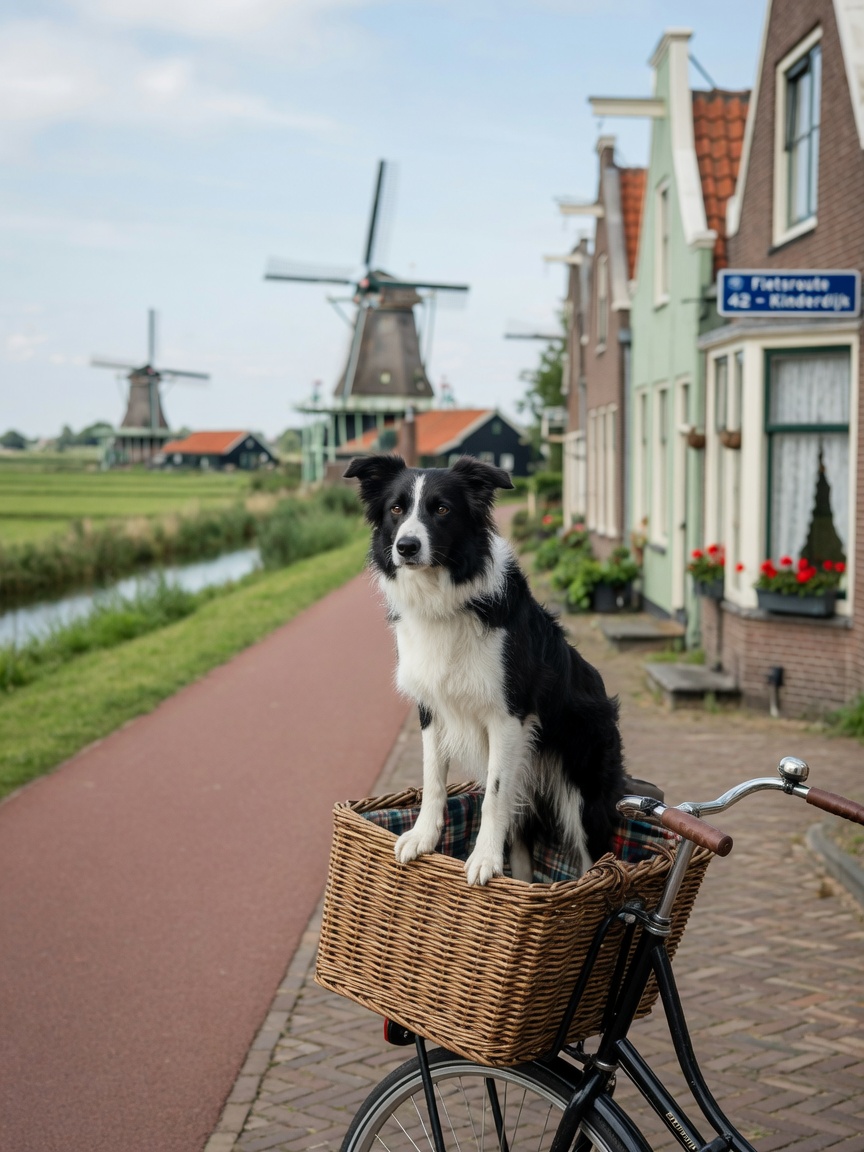
The Netherlands combines dog-friendliness with its famous cycling culture — it's not unusual to see dogs cycling alongside their owners on purpose-built cargo bikes or in basket attachments. Dogs are allowed on NS (Dutch rail) trains for a small daily fee and are welcomed in most Dutch cafes and restaurants. Amsterdam's Vondelpark and other urban green spaces have designated off-leash areas.
The Netherlands lifted its national pit bull ban in 2009, recognising that breed-specific legislation was ineffective, making it one of the most permissive countries in Europe for "bully" type breeds. Parasite prevention is important, however — Dutch parks and green spaces have high tick populations seasonally. ESCCAP's tick risk maps are worth checking before visiting.
4. Portugal: Relaxed, Warm, and Welcoming
Portugal has rapidly become one of Europe's most popular destinations for dog-owning expats and travellers. The Portuguese are generally relaxed about dogs in public spaces, outdoor dining areas, and local beaches (with some seasonal restrictions). Lisbon and Porto both have well-developed dog-friendly infrastructure — parks, water bowls, and a general public attitude of acceptance.
Portugal's relatively mild climate also makes it comfortable for dogs year-round, unlike some Mediterranean destinations where summer heat can be dangerous. Rural accommodation (quintas and casas de campo) is typically very accepting of pets.
5. Spain: Regional Variation
Spain is dog-friendly, but with important regional caveats. Catalonia, the Basque Country, and Madrid have well-developed dog park networks and tolerant attitudes. Andalucía and the Balearic Islands are more mixed — tourist-heavy areas often have strict no-dogs rules on beaches from June to September.
Spanish dogs must be registered at the local council (ayuntamiento) and microchipped — requirements that also apply to visiting dogs staying long-term. Most Spanish accommodation from rural rentals to boutique hotels accepts dogs with advance notice, but fees can be substantial (€10–€30/night in some properties).
6. Belgium: Underrated Gem
Belgium is often overlooked on dog travel lists, but Brussels, Bruges, and Ghent are all exceptionally dog-friendly cities. Dogs are widely welcomed in Belgian cafés and restaurants, and the country's compact geography makes it easy to travel with a dog by car or rail. Regional rules apply for Brussels (muzzle requirement on public transport) and Flanders (specific leash rules), but enforcement is generally relaxed.
7. Italy: Beautiful but Bureaucratic
Italy is culturally warm to dogs — Italians adore their pets — but the practical reality is more complicated. Dogs are permitted on Trenitalia trains (with a ticket and muzzle for larger dogs), and many cafes and restaurants tolerate well-behaved dogs in outdoor seating. However, beaches in Italy typically ban dogs during peak summer season, and urban parks can have patchy enforcement of leash and cleanup rules. Northern Italy (Tuscany, Liguria) is generally more dog-friendly than the deep south.
Countries to Research Carefully
Some European countries present specific challenges for dog travellers:
- Greece: Stray dog populations are a reality in many Greek tourist destinations — your dog may be stressed by frequent encounters. Beach access is restricted.
- Croatia: Increasingly popular, but beach restrictions and accommodation limitations can be frustrating in peak season.
- Malta: Requires tapeworm treatment for dogs entering from other EU states. Strict quarantine rules historically, though now aligned with EU pet passport system.
Key Takeaways
- France and Germany are consistently rated the most dog-friendly countries in Europe for infrastructure, transport, and cultural attitude.
- The Netherlands is notable for having abolished breed-specific legislation and for excellent public transport access for dogs.
- Portugal offers a warm, relaxed environment ideal for dog-owning expats and long-stay travellers.
- Spain varies significantly by region — research your specific destination.
- All EU travel still requires a valid EU Pet Passport — dog-friendliness of a destination does not affect documentation requirements.
Gear Up for Your European Dog Adventure
Whether you're road-tripping through Provence, hiking in the Bavarian Alps, or exploring the Alentejo, the right gear makes every trip better for you and your dog.
Shop on Zooplus → for travel crates, collapsible bowls, harnesses, and European-approved flea and tick prevention products.