
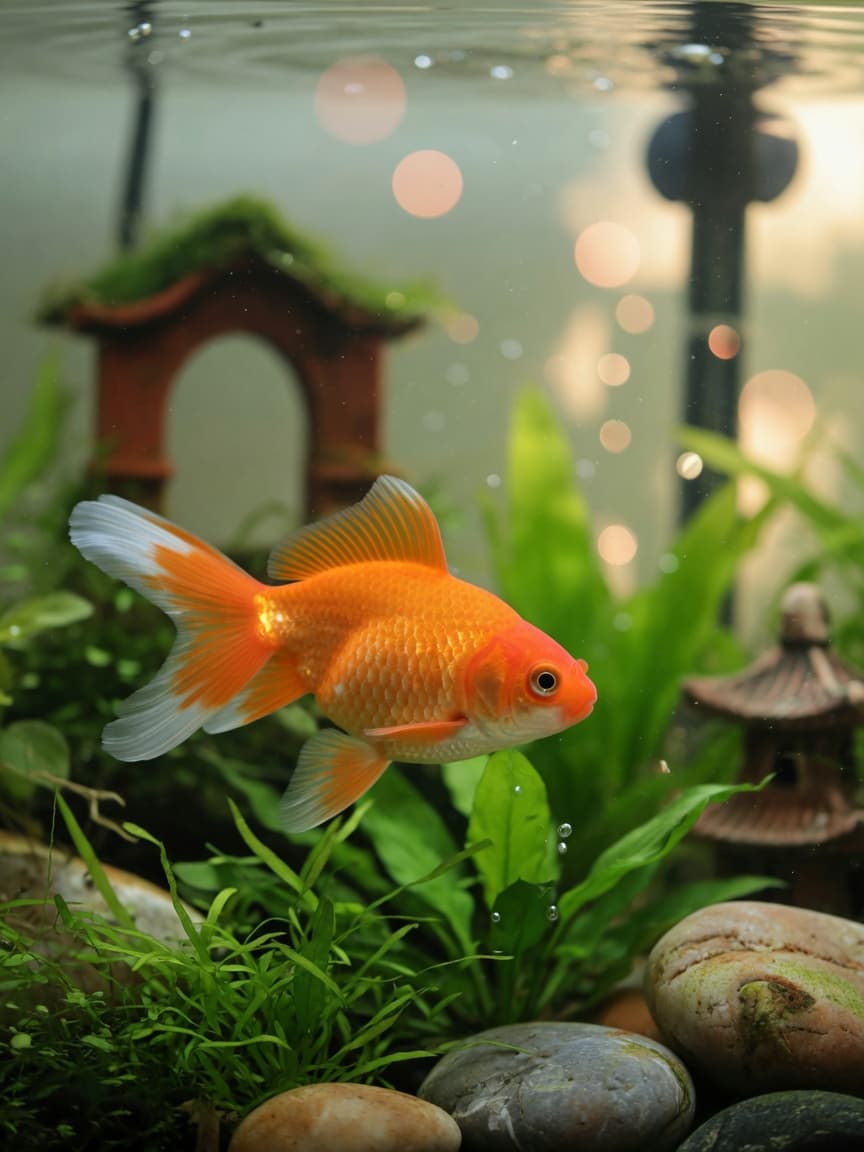
Planning a holiday but worried about your aquatic friends? It's one of the most common concerns amongst fish keepers, and understandably so. The good news is that most fish are surprisingly resilient and can survive longer without food than many pet owners realise. Understanding your fish's specific needs and preparing properly can mean you enjoy your break with complete peace of mind, knowing your finned companions are safe and well.
How Long Can Fish Actually Survive Without Food?
The duration your fish can survive without food depends largely on their species, age, and overall health. Most aquarium fish can survive for 8 to 14 days without food, and some hardy species can last even longer. Here's what you need to know:
- Healthy adult fish in established tanks can manage 2 weeks comfortably
- Younger fish and fry require feeding every 1-2 days and shouldn't be left longer than a week
- Bottom feeders like plecos can survive up to 3 weeks by eating algae and waste
- Goldfish are particularly hardy and can survive for up to 2 weeks without supplementary food
- Tropical fish species are generally more sensitive and should not exceed 10-14 days
The key factor is your tank's maturity. Established tanks with healthy bacterial colonies and algae growth provide natural sustenance, whilst newer tanks without sufficient biological activity pose more risk.
Preparing Your Tank Before You Leave
Proper preparation is essential for a worry-free holiday. Begin your preparations at least one week before departure:
- Complete a partial water change (25%) to remove excess waste and toxins
- Clean your filter to ensure optimal water quality during your absence
- Test water parameters (pH, ammonia, nitrite, nitrate) to confirm everything is balanced
- Reduce feeding for 2-3 days beforehand to minimise waste accumulation
- Check all equipment is functioning properly, including heaters and air pumps
A well-maintained tank is your best insurance policy. Fish produce waste that creates ammonia, which becomes toxic in closed systems. A thorough clean-up beforehand extends the safe fasting period considerably.
Feeding Options For Extended Absences
If you're leaving for longer than two weeks, consider these feeding solutions:
- Automatic feeders: Battery or electric models dispense measured portions at scheduled intervals. These are reliable for 3-4 week holidays
- Vacation feeding blocks: Slow-dissolving blocks release nutrients gradually over 1-2 weeks, though they're less precise
- Trusted neighbours or friends: Ask someone to visit daily for feeding. Provide clear written instructions with measured portions in advance
- Professional pet sitters: Many now offer aquarium care services, perfect for expensive or sensitive specimens
Whichever method you choose, test it thoroughly before departure. Automatic feeders sometimes jam, and feeding blocks can cloud water if overused.
Species-Specific Considerations
Different fish have vastly different requirements. Bettas require feeding every 1-2 days and shouldn't fast longer than a week. Corydoras catfish need regular feeding to maintain health. Discus fish, being particularly sensitive, should never go longer than 5-7 days without food. Research your specific species beforehand to avoid disappointment upon your return.
What NOT To Do Before Holiday
- Don't overfeed before leaving—excess food decays and pollutes the water
- Don't skip tank maintenance thinking it'll conserve resources
- Don't leave automatic feeders untested
- Don't assume all fish species have identical fasting capabilities
Key Takeaways
Your fish can typically survive 8-14 days without food, depending on species and tank maturity. The secret to holiday success is thorough preparation: maintain your tank properly, understand your fish's specific needs, and arrange feeding provisions for absences exceeding two weeks. With these steps in place, you can enjoy your holiday knowing your aquatic companions are thriving whilst you're away.