

If your dog has turned their nose up at dinner, you're probably wondering how long they can actually survive without food. Whilst dogs are remarkably resilient animals, the answer isn't straightforward—and it matters far more than you might think. Understanding your dog's nutritional needs and recognising when appetite loss signals a serious problem could be the difference between a minor concern and a medical emergency.
How Long Can Dogs Survive Without Food?
Most healthy adult dogs can survive approximately 5 to 7 days without food, provided they have access to water. However, this timeline varies significantly depending on individual factors such as age, size, metabolism, and overall health status. Puppies, elderly dogs, and those with underlying health conditions are far more vulnerable and may show serious signs of distress within 2 to 3 days.
It's important to note that whilst survival and thriving are entirely different matters. Even if your dog can technically survive several days without eating, prolonged food deprivation causes serious metabolic damage, muscle loss, and organ stress.
Common Reasons Dogs Stop Eating
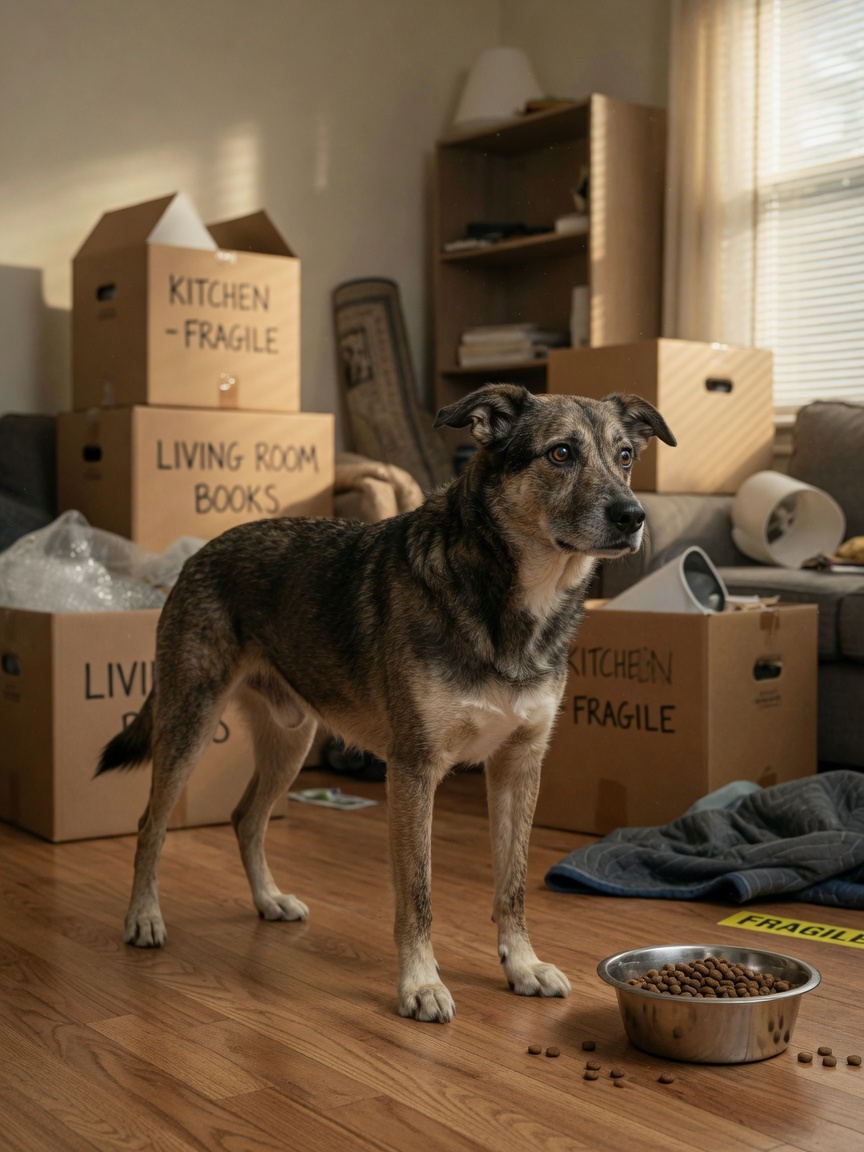
Before panicking, consider these common—and often manageable—reasons why your dog might refuse food:
- Stress or anxiety: Environmental changes, moving house, or separation anxiety frequently suppress appetite
- Dental problems: Tooth decay, gum disease, or loose teeth make eating painful
- Dietary boredom: Some dogs become finicky with the same food repeatedly
- Recent vaccination: Mild appetite loss sometimes follows routine vaccinations
- Minor digestive upset: Eating something inappropriate or slight indigestion passes quickly
- Temperature sensitivity: Hot weather naturally reduces appetite in many dogs
Serious Health Conditions to Consider
Persistent loss of appetite often signals underlying medical issues requiring veterinary attention. These include:
- Gastrointestinal problems (gastroenteritis, pancreatitis, inflammatory bowel disease)
- Infections or fever
- Dental disease or oral injuries
- Hormonal imbalances (thyroid disorders, diabetes)
- Cancer or tumours
- Kidney or liver disease
- Medication side effects
Red Flags That Demand Immediate Action
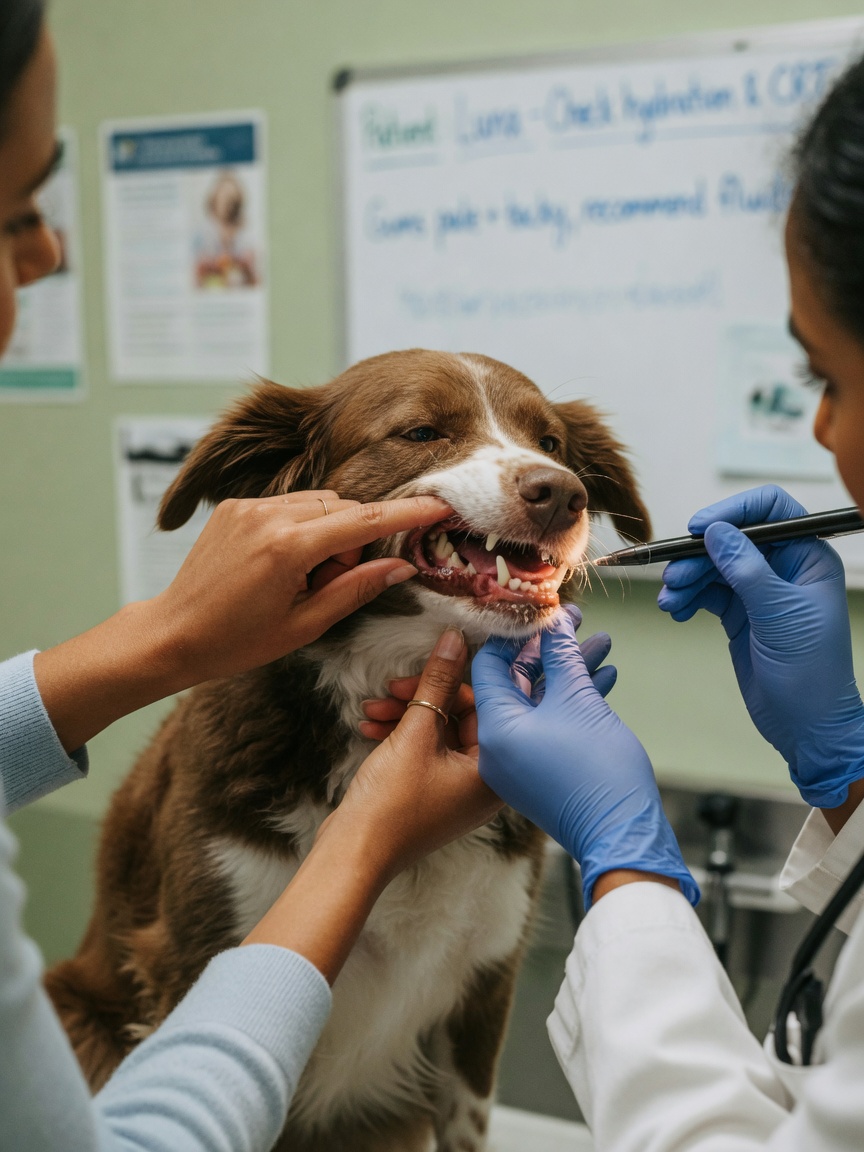
Contact your veterinary surgeon urgently if your dog shows any of these warning signs alongside appetite loss:
- Vomiting or diarrhoea lasting more than 24 hours
- Lethargy or unusual inactivity
- Abdominal pain or distension
- Difficulty swallowing or drooling excessively
- Weight loss over days or weeks
- Dehydration (sticky gums, loss of skin elasticity)
- Refusal to eat for more than 24 hours
What You Should Do Right Now
- Don't force feed. Avoid coaxing or stressing your dog further. This often backfires
- Assess the duration. Has your dog missed one meal or several? The timeframe matters greatly
- Evaluate other symptoms. Note any behavioural changes, digestive issues, or physical signs
- Ensure hydration. Water intake is more critical than food. Dehydration develops quickly
- Contact your vet. When in doubt, a professional opinion prevents complications
- Try gentle options. If your dog seems otherwise healthy, offer boiled chicken, plain pumpkin, or low-sodium broth
Key Takeaways
Whilst healthy dogs can technically survive a week without food, appetite loss should never be ignored. The difference between a minor issue and a serious illness often comes down to how quickly you respond. Trust your instincts—if something feels wrong, it probably is. Your veterinary surgeon is your best resource for distinguishing between a fussy eater and a dog with a genuine health concern. When in doubt, always err on the side of caution. Early intervention prevents complications and ensures your beloved companion gets back to enjoying mealtimes swiftly.