
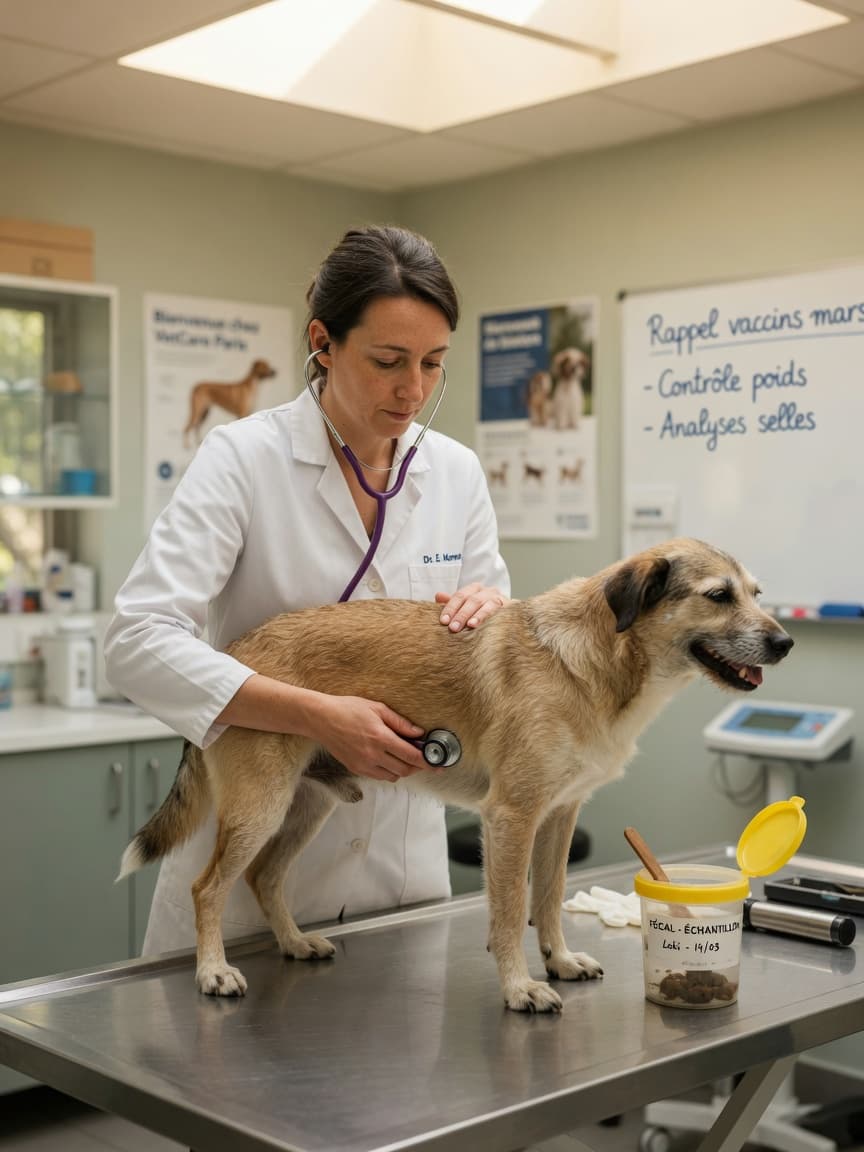
Giardia in Dogs: Transmission, Symptoms & Treatment
Giardia is one of the most commonly misunderstood intestinal infections in dogs. Many owners assume their dog has worms when they see loose, foul-smelling stool — but Giardia is not a worm at all. It is a single-celled protozoan parasite that colonizes the small intestine and interferes with nutrient absorption, causing gastrointestinal distress that can range from mild to debilitating. Understanding what Giardia is, how it spreads, and how to treat it effectively is essential for any dog owner.
What Is Giardia duodenalis?
Giardia duodenalis (also called Giardia intestinalis or Giardia lamblia) is a flagellated protozoan parasite that exists in two forms: the active trophozoite, which attaches to the lining of the small intestine and feeds on nutrients, and the cyst, which is the hardy, infectious form shed in feces. Trophozoites reproduce by binary fission, and as conditions change — such as when they move toward the colon — they encyst and are passed out of the body in stool.
Giardia is not a worm, not a bacterium, and not a virus. It is classified as a protozoan, placing it in an entirely different biological category from the helminths (roundworms, hookworms, tapeworms) that owners often suspect when a dog shows gastrointestinal symptoms. This distinction matters because standard dewormers designed for helminths will not eliminate Giardia.
The parasite is divided into genetic assemblages. Assemblage A and Assemblage B are the assemblages most associated with human infections, while Assemblages C and D are considered dog-specific. This is relevant when assessing zoonotic risk, though overlap does exist.
How Does Giardia Spread?
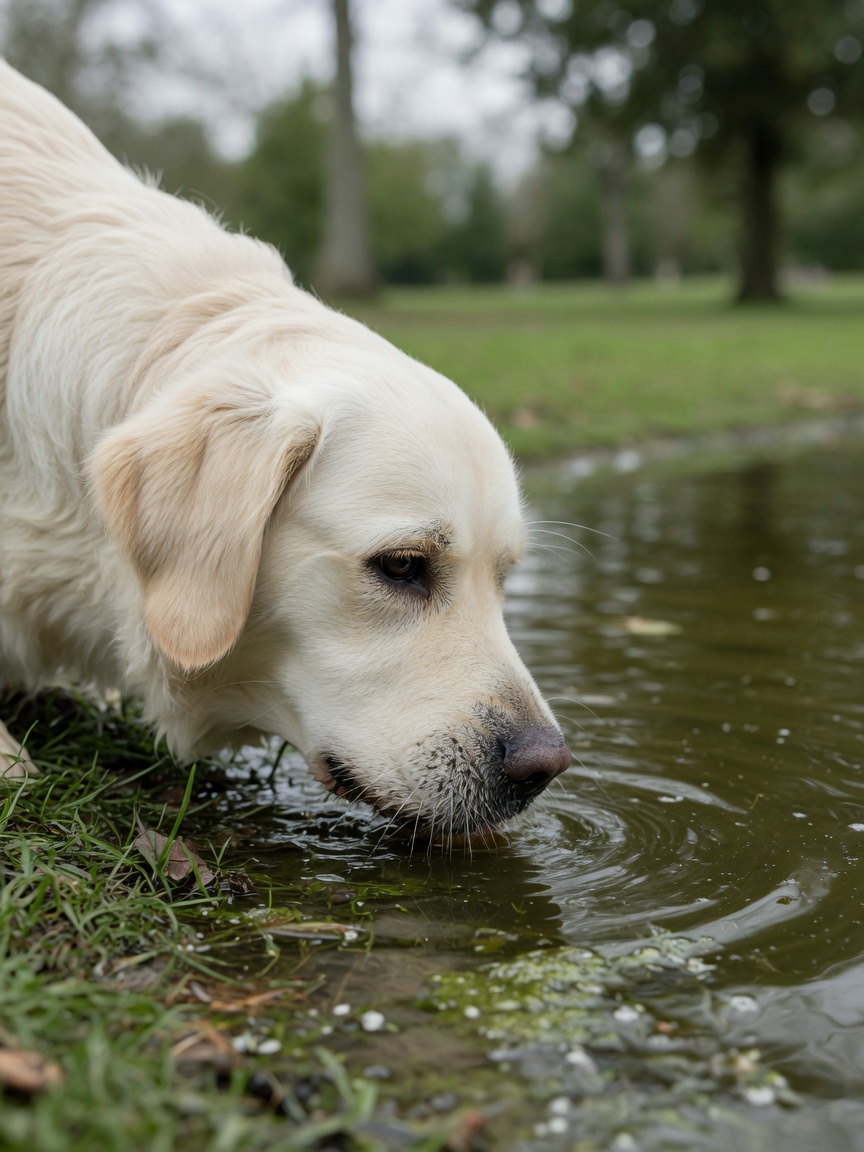
Dogs contract Giardia by ingesting infectious cysts from contaminated environments. The primary routes of transmission include:
Contaminated water: Streams, ponds, puddles, and standing water are common sources. Cysts can survive in cold water for several months, making outdoor water sources a significant risk — especially in parks, hiking trails, and dog-friendly recreational areas.
Contaminated soil and surfaces: Giardia cysts shed in feces can persist in moist soil for weeks. Dogs that sniff, dig, or lick contaminated ground can ingest cysts without any direct fecal contact.
Direct fecal-oral contact: Dogs that sniff or groom other infected dogs, or that ingest fecal matter, are at high risk. Environments where dogs are housed together — shelters, boarding facilities, dog parks — create ideal conditions for transmission.
Contaminated food bowls and shared equipment: Cysts can survive on surfaces and be transferred via shared water bowls, toys, or grooming tools that have not been properly disinfected.
Puppies and dogs with compromised immune systems are particularly vulnerable to infection, as are dogs in high-density environments where fecal contamination is difficult to control.
Recognizing the Symptoms
Not every dog infected with Giardia will show clinical signs. Many adult dogs with healthy immune systems become asymptomatic carriers — they shed cysts in their feces and can infect other animals without appearing ill themselves. When symptoms do appear, they typically include:
Foul-smelling, soft or liquid stool: The most hallmark symptom. Giardia-associated diarrhea tends to be greasy or pale in color, with a particularly offensive odor caused by fat malabsorption. Blood in stool is less common than with bacterial infections but can occur.
Weight loss and poor body condition: Because Giardia trophozoites damage the brush border of the small intestine, nutrient absorption is impaired. Dogs with chronic infections may lose weight, develop a dull coat, and fail to thrive despite eating normally.
Lethargy and reduced appetite: General malaise, reduced interest in food, and a visibly uncomfortable abdomen are common in more significant infections.
Intermittent diarrhea: Some dogs cycle between normal stool and diarrhea, making diagnosis more challenging. Owners may assume the issue has resolved when symptoms temporarily subside.
Support your dog's gut during and after treatment: Probiotic supplements can help restore healthy gut flora disrupted by Giardia and the antibiotics used to treat it. HolistaPet offers veterinarian-formulated digestive support products designed to complement your dog's recovery plan — always use alongside, not instead of, prescribed treatment.
Diagnosis: How Vets Confirm Giardia
Giardia can be tricky to diagnose because cysts are shed intermittently and in inconsistent quantities. A single fecal test may miss an active infection. Veterinarians typically use one or more of the following diagnostic methods:
SNAP Giardia test (ELISA antigen test): This in-clinic rapid test detects Giardia antigen in feces and provides results within minutes. It is highly sensitive and considered one of the most reliable single-test options available.
Fecal antigen test (laboratory): Laboratory-based enzyme-linked immunosorbent assays (ELISA) or immunofluorescence assays detect Giardia antigens or cysts with high sensitivity. These are more reliable than standard flotation for intermittent shedders.
Zinc sulfate fecal flotation: A specialized centrifugation flotation technique using zinc sulfate solution, which has a specific gravity ideal for concentrating Giardia cysts. Standard sodium nitrate flotation is less effective at recovering Giardia cysts. Testing pooled fecal samples from three consecutive days significantly increases detection rates.
If Giardia is strongly suspected based on clinical signs but initial tests are negative, your vet may recommend repeating the test or collecting multiple samples over several days.
Treatment: Veterinary Protocols
Veterinary treatment is the cornerstone of Giardia management. Over-the-counter or home remedies are not effective at eliminating this parasite. Standard medical treatments include:
Metronidazole (Flagyl): The most commonly prescribed medication for Giardia in dogs. Metronidazole has both antiprotozoal and antibacterial properties and is typically given for 5 to 7 days. It is effective but does not always achieve full clearance on its own.
Fenbendazole (Panacur): An anthelmintic that also has efficacy against Giardia. Often prescribed for 3 to 5 days, sometimes in combination with metronidazole. The combination of metronidazole and fenbendazole has shown higher clearance rates in studies compared to either drug alone.
Combination therapy: For refractory or persistent infections, veterinarians may prescribe both metronidazole and fenbendazole simultaneously, extending the course as needed. A follow-up fecal test 2 to 4 weeks after completing treatment is recommended to confirm clearance.
Probiotics are frequently recommended alongside antibiotic treatment to support gut microbiome recovery, though they do not treat the infection directly.
Bathing and Environmental Decontamination
Treating the dog medically is only part of the solution. Because Giardia cysts survive on fur and in the environment, decontamination is essential to prevent reinfection:
Bathing the dog: Bathe your dog thoroughly at the start and end of treatment to remove cysts from the coat, particularly around the hindquarters. Giardia cysts can be reingested through grooming.
Disinfecting surfaces: Quaternary ammonium disinfectants, steam cleaning, and diluted bleach solutions (1:32 ratio) are effective against Giardia cysts on hard surfaces. Allow contact time of at least 1 minute.
Cleaning the yard: Remove feces promptly and consider restricting your dog's access to areas where other dogs defecate. In warmer, dry conditions, UV light and desiccation will kill cysts faster.
Washing bedding and soft items: Machine wash at high temperatures and dry thoroughly. Cysts are sensitive to heat and drying.
Reinfection Prevention
Giardia reinfection is common if environmental controls are not maintained. Key prevention strategies include: always providing clean, treated drinking water rather than outdoor water sources; picking up feces promptly; avoiding dog parks and high-density environments during outbreaks; and testing new dogs before introducing them to multi-dog households. No licensed Giardia vaccine is available in Europe or the UK as of 2026.
Keep your dog's immune system strong: A well-supported immune system helps dogs resist and recover from protozoan infections. Browse Zooplus's range of immune and digestive health supplements to find options that complement your vet's treatment plan.
Key Takeaways
- Giardia is a protozoan parasite — not a worm — that lives in the small intestine and impairs nutrient absorption.
- Dogs contract it from contaminated water, soil, or direct fecal contact; cysts can survive for months in cold, moist environments.
- Classic signs include foul-smelling, greasy diarrhea, weight loss, and lethargy — but many dogs are asymptomatic carriers.
- Diagnosis is most reliable using SNAP antigen tests or zinc sulfate fecal flotation over multiple days.
- Veterinary treatment with metronidazole, fenbendazole, or both is essential — natural remedies do not eliminate this parasite.
- Bathing the dog and disinfecting the environment are critical steps to prevent reinfection after treatment.
- Giardia has low but real zoonotic potential; good hand hygiene is important, especially for vulnerable individuals.
References
- Bowman DD, Lucio-Forster A. Cryptosporidiosis and giardiasis in dogs and cats: veterinary and public health importance. Exp Parasitol. 2010;124(1):121-127. PubMed: 19679127
- Fiechter R, Deplazes P, Schnyder M. Control of Giardia infections with ronidazole and intensive hygiene management in a dog kennel. Vet Parasitol. 2012;187(1-2):93-98. PubMed: 22236565
Written by Julia Wrenfield, Pet Wellness Researcher. This article is for informational purposes only and does not constitute veterinary advice. Always consult a licensed veterinarian for diagnosis and treatment of your pet.