

Why Joint Health Matters in Horses
Joint disease is one of the leading causes of poor performance and early retirement in horses across Europe. Whether your horse is a competition sport horse, a happy hacker, or a retired companion, maintaining healthy joints is a lifelong commitment. The good news is that a well-chosen supplement programme — combined with appropriate veterinary care — can make a real difference to comfort and longevity.
This guide covers the key ingredients found in EU-available joint supplements, how they work, which products are widely used across Europe, and crucially, when a supplement is not enough and professional intervention is needed.
Key Ingredients and How They Work
MSM (Methylsulfonylmethane)
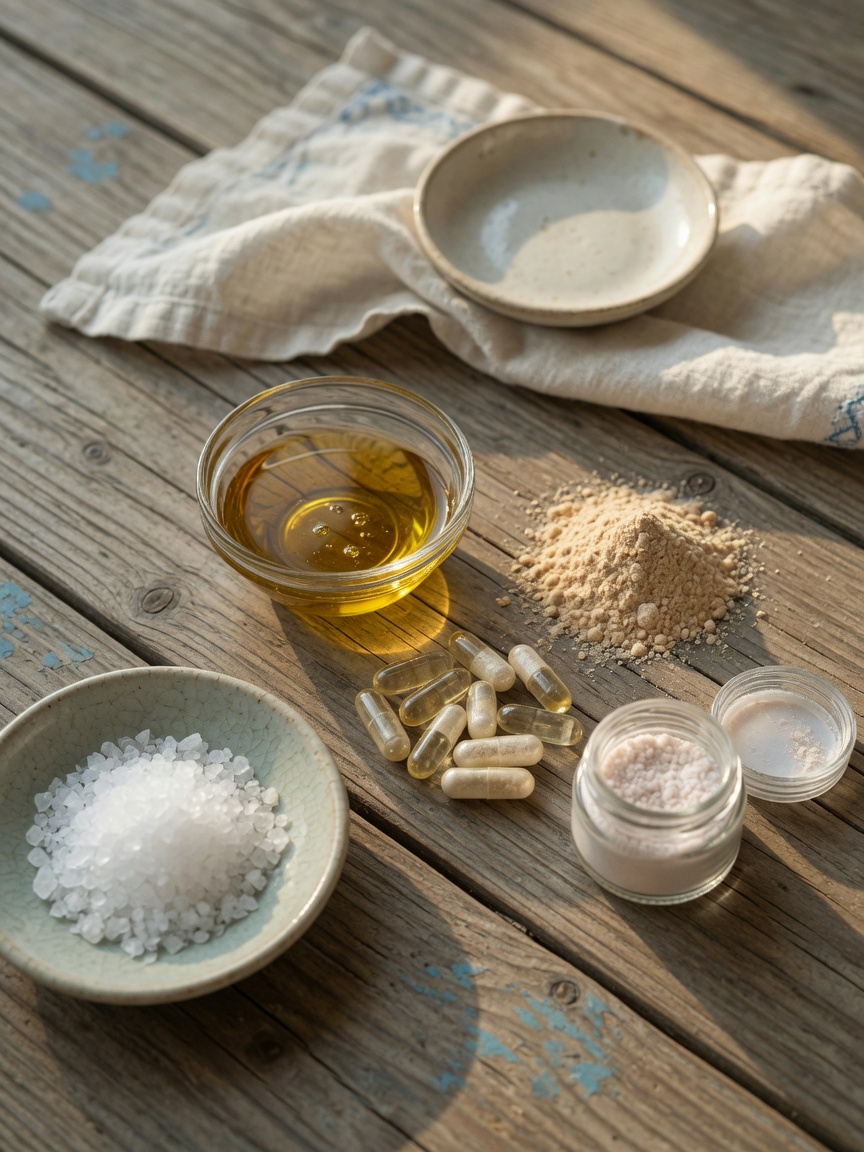
MSM is an organic sulphur compound that supports the integrity of cartilage and connective tissue. It has well-documented anti-inflammatory properties and is one of the most widely used ingredients in equine joint supplements. It is generally safe for long-term use and is not a prohibited substance under the FEI prohibited substances list, making it suitable for competition horses when used appropriately.
Glucosamine and Chondroitin
These two compounds are often combined in a single product because they work synergistically. Glucosamine is a natural precursor to glycosaminoglycans, the building blocks of cartilage. Chondroitin sulphate helps cartilage retain water, improving its shock-absorbing ability. Both are sourced from shellfish or bovine cartilage and are widely available in EU-licensed supplements. Look for products that clearly state the dose of each ingredient per serving, as underdosed products are common in the market.
Hyaluronic Acid
Hyaluronic acid (HA) is a key component of synovial fluid — the lubricant inside joints. Oral HA supplements aim to support synovial fluid viscosity, though some vets prefer injectable HA directly into the joint for more targeted results. Oral supplementation is nonetheless popular and can complement injectable treatments. HA is not prohibited under FEI rules when administered orally.
Omega-3 Fatty Acids (Linseed)
Linseed (flaxseed) oil is a rich plant-based source of alpha-linolenic acid (ALA), an omega-3 fatty acid with natural anti-inflammatory properties. It is one of the most cost-effective additions to any joint supplement regime and is particularly useful in horses prone to systemic inflammation. Cold-pressed linseed oil is widely available in the EU and can be fed daily as a top-dress. It is entirely safe for competition horses and carries no FEI prohibited substance concerns.
Boswellia
Boswellia serrata extract contains boswellic acids, which inhibit the 5-lipoxygenase enzyme pathway involved in inflammatory responses. It is a popular herbal anti-inflammatory used in equine joint supplements and is generally considered safe for long-term use. As with all herbal products, owners competing under FEI rules should check current guidance, as regulations around herbal compounds can change.
EU-Available Products Worth Considering
Several reputable brands supply quality joint supplements across Europe:
- Dodson and Horrell Joint Support — a well-regarded UK and EU brand offering a range of joint products with clearly labelled ingredients and doses.
- NAF Five Star Superflex — a premium product combining glucosamine, chondroitin, MSM, and hyaluronic acid. Widely available in the UK, Spain, France, and Germany.
- Equine America Super Flex — another popular choice combining key structural ingredients with herbal support, available across EU retailers.
- Science Supplements ProKnee — formulated with research-backed doses of glucosamine and chondroitin, often recommended by vets and physiotherapists for horses in active work.
FEI Competition Rules and Prohibited Substances
If your horse competes under FEI rules, you must be aware of the FEI prohibited substances list before administering any product. While most nutraceutical joint supplements are permitted, some pain-relieving medications commonly associated with joint management are subject to strict withdrawal times.
Phenylbutazone (bute), a non-steroidal anti-inflammatory drug (NSAID) frequently used to manage musculoskeletal pain, is a controlled substance under FEI rules. It has defined detection thresholds and withdrawal periods that must be respected before competition. Always consult your vet and the current FEI prohibited substances list to confirm withdrawal times, as they can be updated.
Vet-Prescribed Options: Adequan (PSGAG)
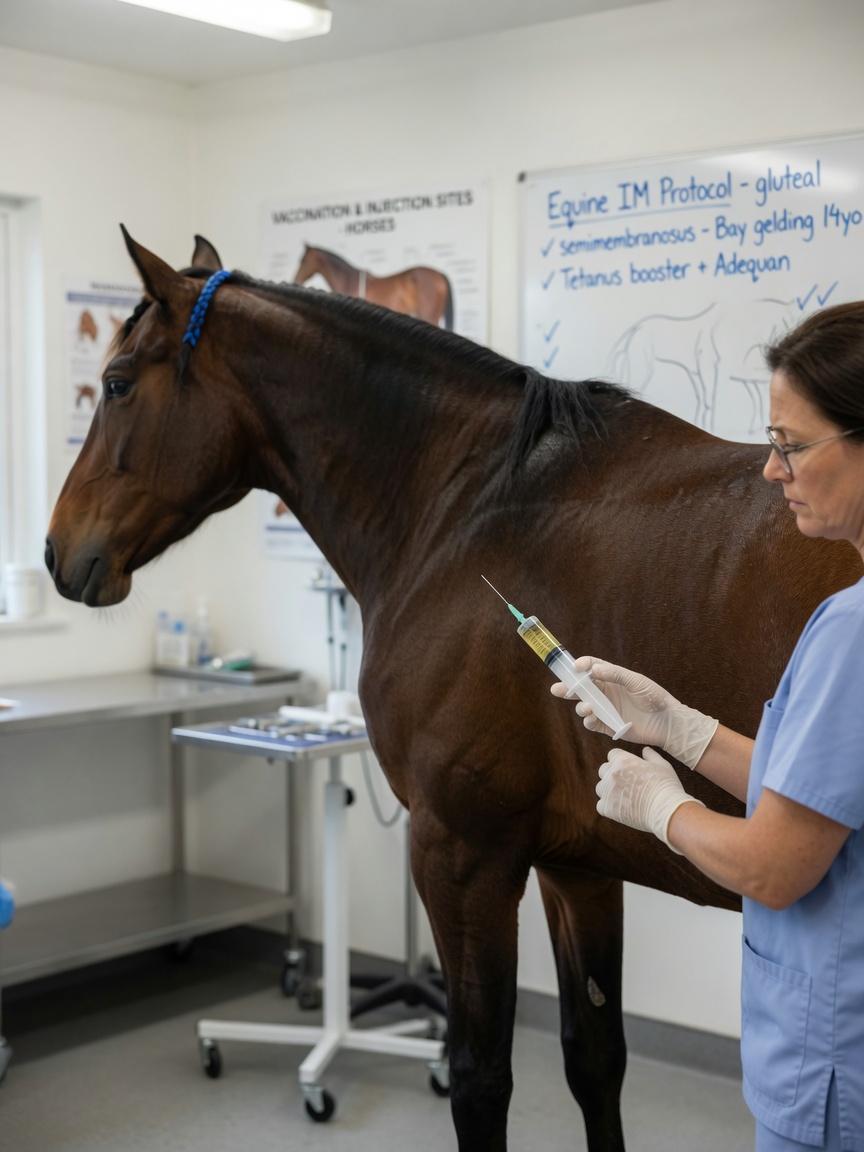
For horses with confirmed joint disease, your vet may recommend Adequan — the brand name for Polysulfated Glycosaminoglycan (PSGAG). This is an injectable prescription medicine that works by inhibiting the enzymes that break down cartilage and by promoting synovial fluid production. It is administered intramuscularly by a veterinary professional and is not available over the counter. Adequan is a different category to dietary supplements — it is a licensed veterinary medicine in many markets and should only be used under professional supervision.
When Supplements Help vs When You Need a Vet
Supplements work best as a preventive or supportive measure in horses with mild to moderate joint stiffness or as maintenance for horses recovering from joint injury. They are not a substitute for diagnosis or treatment of significant joint disease.
You should contact your vet promptly if your horse shows any of the following:
- Sudden or worsening lameness that does not resolve with rest
- Visible joint swelling, heat, or pain on palpation
- A change in gait, reluctance to work, or significant loss of performance
- Lameness following an injury or accident
A veterinary examination — including flexion tests, nerve blocks, and imaging such as X-ray or ultrasound — is the only way to diagnose the cause of joint pain accurately. Starting supplements without a diagnosis may mask symptoms and delay appropriate treatment.
Practical Tips for EU Owners
When selecting a joint supplement, prioritise products that clearly state the amount of each active ingredient per daily dose, rather than hiding them within a proprietary blend. Allow at least eight to twelve weeks on a new supplement before evaluating results, as many ingredients require time to build to effective tissue levels. Store products according to label guidance — moisture and heat can degrade active compounds. Always discuss any new supplement or medication with your vet, particularly if your horse is already on prescribed treatment or competing under FEI or national federation rules.