
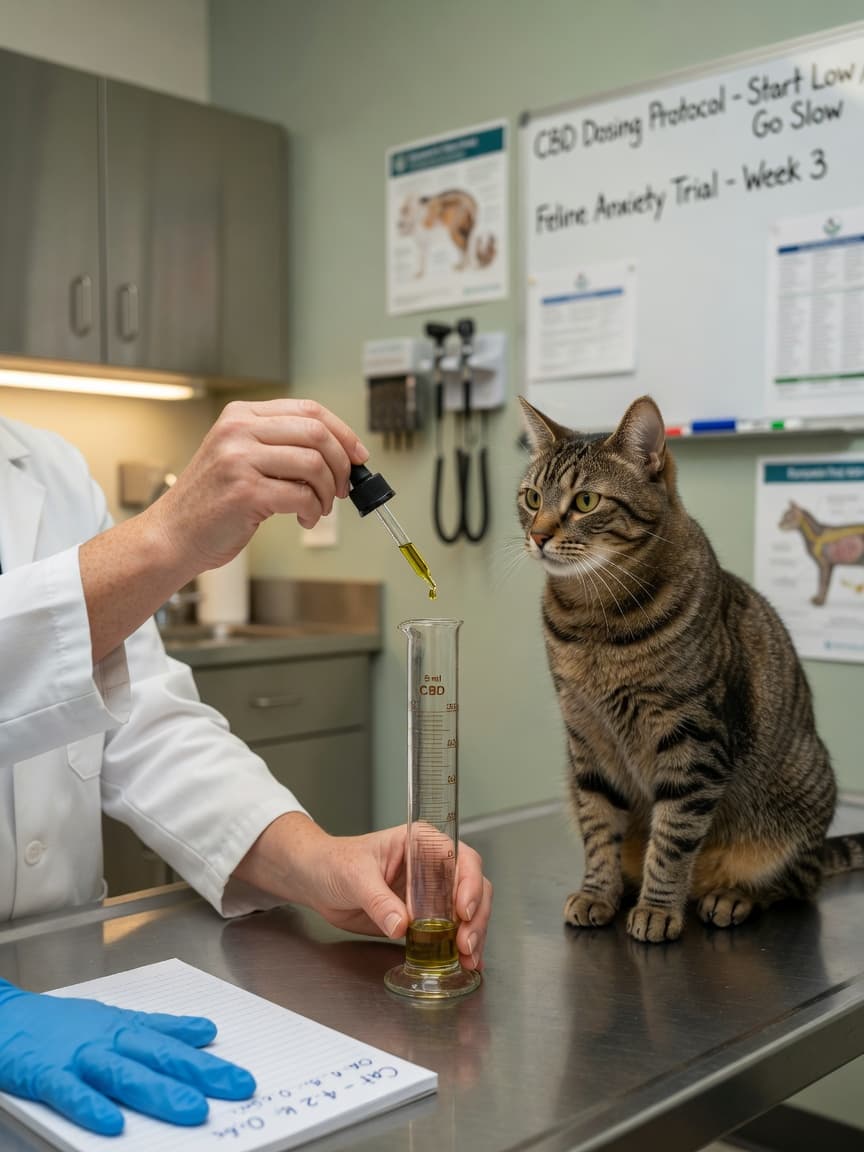
Why Cats Are Different: A Critical Starting Point
Before exploring CBD oil for cats, it is essential to understand that cats are not small dogs. Their physiology differs from dogs and humans in ways that have direct implications for CBD safety. Any cat owner considering CBD products must be aware of these differences — particularly the serious risk that THC poses to felines.
Cats have a significantly reduced capacity to metabolise certain compounds due to differences in their liver enzyme systems. Specifically, cats have a deficiency in glucuronyl transferase, an enzyme involved in the cytochrome P450 metabolic pathway. This means that many substances which dogs and humans process efficiently can accumulate to toxic levels in cats. This is why paracetamol, for example, is fatally toxic to cats, and why any CBD product given to a cat must be free from — or contain only the absolute minimum trace of — THC.
THC Toxicity in Cats: A Serious Risk
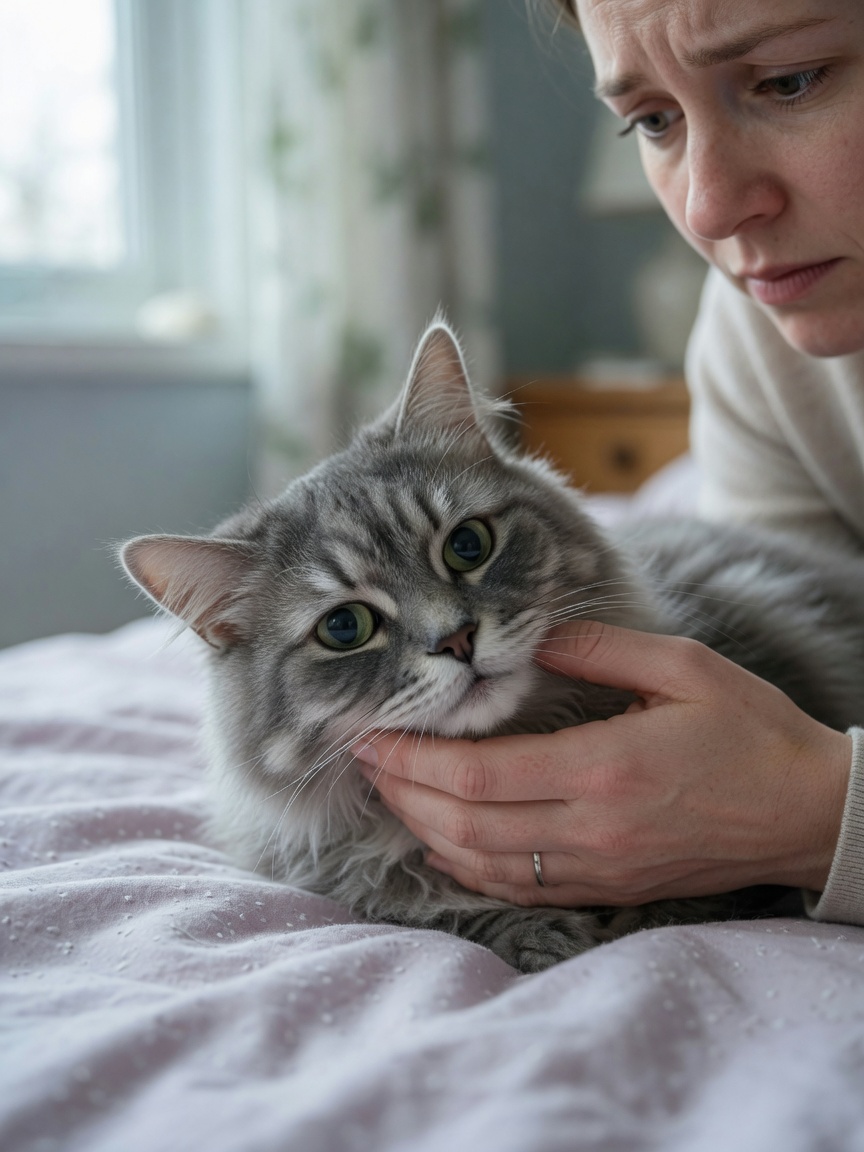
THC (tetrahydrocannabinol) is toxic to cats. Even small quantities can cause symptoms including disorientation, loss of coordination, vomiting, drooling, dilated pupils, tremors, and in severe cases, seizures. Cats' slower hepatic metabolism means THC stays in their system longer and at higher concentrations than it would in a dog or human of comparable weight.
Any CBD product considered for a cat must be THC-free or, at the very minimum, below the EU legal threshold of 0.3% — and independently verified to confirm this. Broad-spectrum or isolate-based products are generally preferred over full-spectrum formulations when giving CBD to cats, as full-spectrum products retain naturally occurring cannabinoids including residual THC. A certificate of analysis from a third-party laboratory is not optional — it is a non-negotiable requirement.
The EU Regulatory Framework for CBD Cat Products
As with CBD products for dogs, the European regulatory environment for feline CBD is complex and still developing. Several frameworks are relevant:
Novel Food Regulation (EU) 2015/2283
CBD extracts have been classified as novel foods by the European Commission under EU Novel Food Regulation 2015/2283. This regulation requires that novel food ingredients undergo a safety evaluation and receive authorisation before being placed on the market for human consumption. While the regulation applies directly to human food supplements, it reflects the EU's broader position on the safety status of CBD as an ingredient — a position that reputable pet product manufacturers take seriously.
EU Regulation 2020/354 and Animal Feed
EU Regulation 2020/354 sets out the list of authorised substances for use in animal feed and nutritional products. Hemp-derived ingredients must comply with THC thresholds, and pet products must meet the same standards of quality and traceability expected of any animal feed additive. Not all CBD products currently on the European market are fully compliant with these standards, which is why independent third-party testing and transparent sourcing are so important.
Veterinary Medicines Regulation
It is worth noting that no CBD product for cats has been authorised as a veterinary medicine by the European Medicines Agency (EMA). This means that CBD cat products exist in the realm of supplements and complementary products — not licensed medicines. Veterinary guidance from your own vet is therefore essential, as they can assess your individual cat's needs and health status.
What Limited Research Suggests for Cats
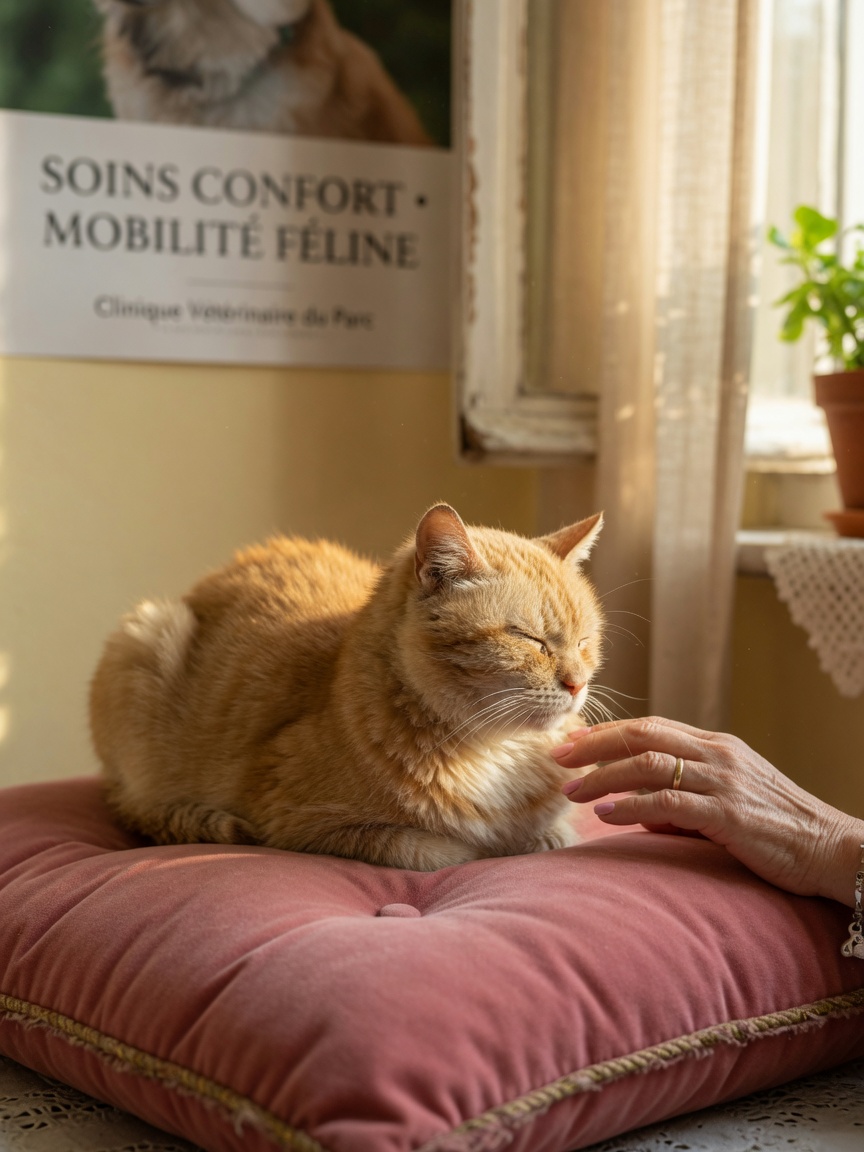
The evidence base for CBD use in cats is considerably thinner than even the preliminary evidence available for dogs. There are very few published clinical studies examining CBD's effects in felines, and most of what we know comes from anecdotal reports, case studies, and extrapolation from research in other species.
Stress and Anxiety
Some preliminary observations suggest that CBD may help manage signs of stress in cats, such as hiding, excessive vocalisation, or changes in appetite associated with environmental changes, veterinary visits, or multi-cat household tensions. According to early research, the endocannabinoid system — which CBD is thought to interact with — is present in cats and plays a role in regulating mood and stress responses. However, well-designed, peer-reviewed clinical trials in cats remain very limited.
Comfort and Mobility
Osteoarthritis is common in older cats and is frequently underdiagnosed. Preliminary studies suggest that CBD may have anti-inflammatory properties that could offer modest support for feline comfort, but the evidence is not sufficient to draw any firm conclusions. Any cat showing signs of pain or reduced mobility should receive a proper veterinary assessment first.
What the Research Does Not Support
It would be misleading to suggest that CBD treats or cures any condition in cats. No such claims are supported by current evidence. CBD should be viewed, at best, as a potential complementary support to be used alongside — not instead of — conventional veterinary care.
How to Choose a Safe CBD Product for Your Cat
Given the unique risks cats face, choosing the right product requires extra care. Here is what to look for:
- Third-party tested with a current CoA: The certificate of analysis should confirm CBD content, THC levels (ideally undetectable or well below 0.3%), and the absence of pesticides, heavy metals, and microbial contamination.
- Broad-spectrum or isolate formulation: These carry a lower risk of THC exposure than full-spectrum products and are generally considered safer for cats.
- Cat-specific formulation: Products designed specifically for cats will have appropriate concentrations and will not contain ingredients that are toxic to felines, such as essential oils (including tea tree, eucalyptus, and peppermint) or propylene glycol.
- No artificial flavourings containing xylitol or other toxins: Always check the full ingredient list.
- Clear, weight-based dosing guidance: Because cats are smaller and metabolise substances differently, dosing must be approached with great caution. Start at the very lowest recommended dose.
Candid Tails: An EU-Compliant Option for Cats
Candid Tails offers a cat-specific CBD formulation developed with veterinary guidance and EU regulatory compliance in mind. Their products are third-party tested, with independent certificates of analysis confirming THC levels and cannabinoid content. As with any supplement for your cat, Candid Tails products should be introduced gradually and only after a conversation with your veterinarian about whether CBD is appropriate for your individual pet.
Dosing Guidance: Start Extremely Low
Given cats' slower metabolic processing, the principle of "start low, go slow" applies even more emphatically than it does with dogs. A typical cautious starting dose for a cat would be no more than 1 mg of CBD per kilogram of body weight, given once daily. Observe your cat closely for any behavioural changes, changes in appetite, or signs of distress in the first one to two weeks before considering any adjustment.
Because CBD can affect the cytochrome P450 enzyme system, it has the potential to interact with medications your cat may already be taking. This makes veterinary consultation before starting CBD absolutely essential for any cat on prescribed treatment.
When to Contact Your Vet
If your cat shows any of the following after receiving a CBD product — especially any product that may have contained THC — seek veterinary advice immediately: loss of coordination, dilated pupils, vomiting, tremors, excessive drooling, or unusual lethargy. These may be signs of THC toxicity and require prompt veterinary attention.
Beyond emergencies, always involve your vet in any decision to use CBD for your cat. ESCCAP (European Scientific Counsel Companion Animal Parasites) and broader veterinary guidance consistently emphasises that complementary products should complement — not replace — proper veterinary diagnosis and treatment. Your vet is your most important resource when it comes to your cat's health.