
Cat Asthma: Signs, Triggers & Long-Term Management
By Julia Wrenfield, Pet Wellness Researcher
Watching your cat wheeze, cough, or struggle to breathe is one of the most frightening experiences for a pet owner. Feline asthma, also called allergic bronchitis or feline bronchial disease, is a chronic inflammatory disease of the lower airways that causes recurrent episodes of respiratory distress. While it cannot be cured, it can be controlled effectively — and cats with well-managed asthma go on to live long, comfortable lives.
What Is Feline Asthma?
Feline asthma is a chronic hypersensitivity disorder in which the airways (bronchi and bronchioles) become hyperreactive to environmental triggers. When exposed to an allergen or irritant, the airways respond with inflammation, increased mucus production, and bronchoconstriction — a narrowing of the airway lumen that restricts airflow. The result ranges from mild coughing to severe respiratory distress depending on the severity of the reaction.
The condition shares significant biological similarities with human asthma, which is why cats are actually used as a naturally occurring animal model for studying human asthma in research settings. This parallel has also accelerated development of feline-specific treatments informed by human respiratory medicine.
Recognizing the Signs of Feline Asthma
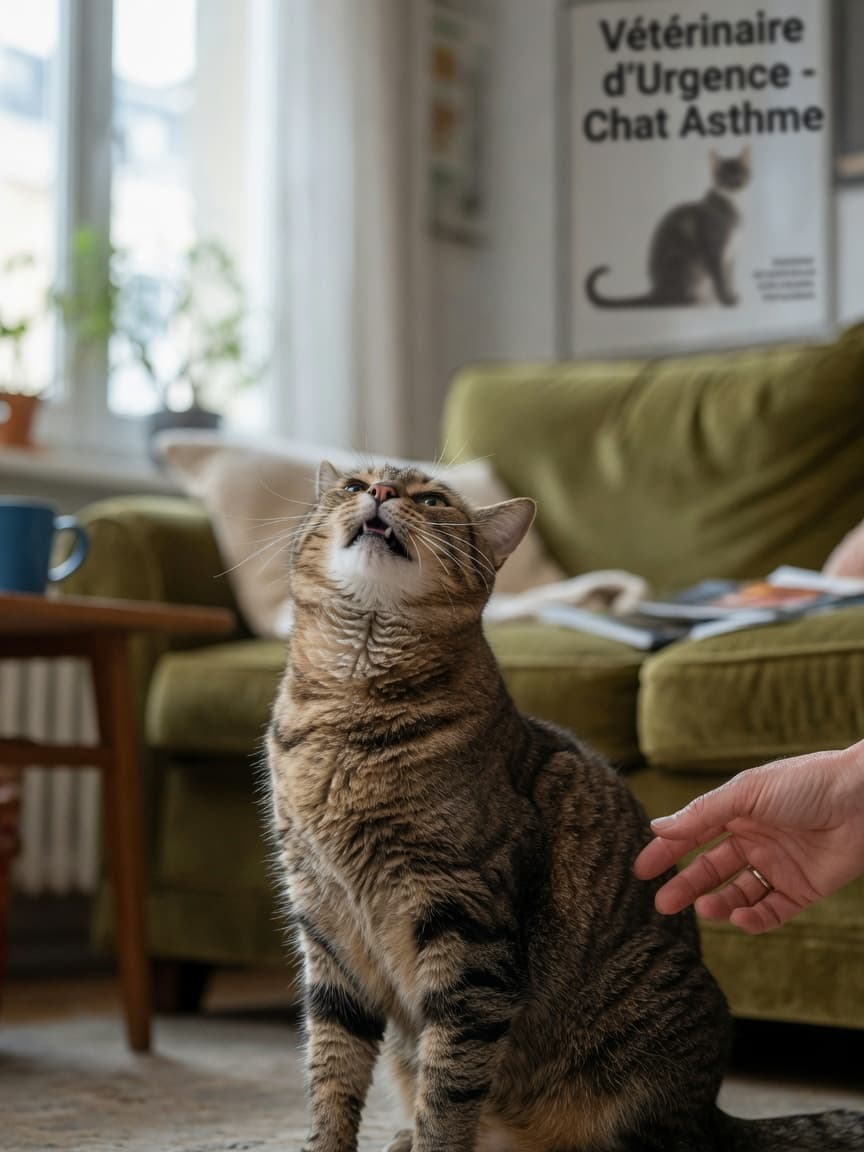
Feline asthma can be tricky to identify because the symptoms can overlap with other conditions including heart disease, respiratory infections, and pleural effusion. The classic presentation involves:
- Wheezing: A high-pitched whistling sound during breathing, particularly on exhalation
- Chronic coughing: Often dry, and sometimes mistaken for a cat trying to bring up a hairball — but with no hairball produced
- Labored breathing: Visible effort to breathe, often with the belly heaving
- Open-mouth breathing: Cats are obligate nasal breathers; open-mouth breathing signals significant respiratory distress
- Extended neck and elbows out posture: A cat actively trying to maximize airway opening
- Exercise intolerance: Tiring quickly or refusing to play
- Blue-tinged gums (cyanosis): A medical emergency — get to a vet immediately
Common Asthma Triggers in Cats
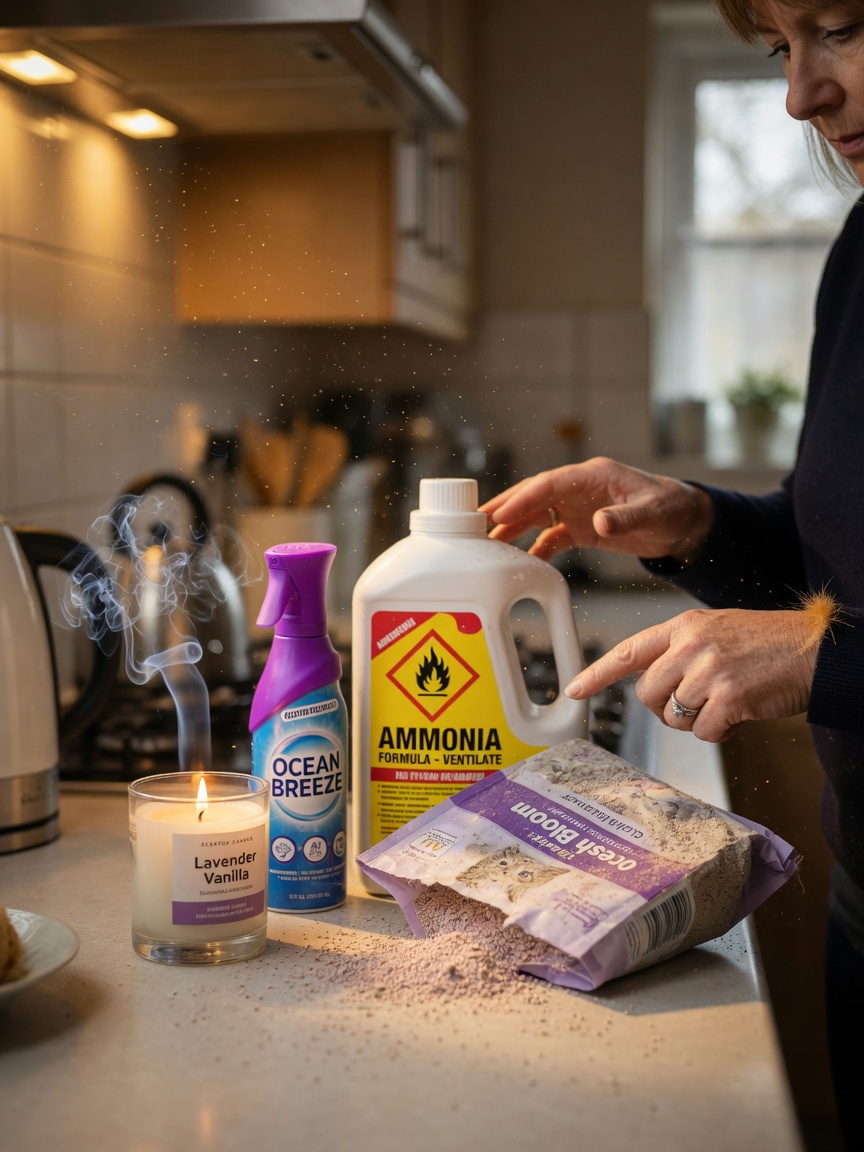
Identifying and minimizing your cat's specific triggers is essential for reducing the frequency and severity of attacks. The most commonly implicated triggers include:
- Cigarette smoke: One of the most potent feline asthma triggers. Cats living with smokers have significantly higher rates of respiratory disease.
- Dusty or scented cat litter: Fine dust particles and perfumes in litter are common irritants. Unscented, low-dust clumping litters are strongly recommended.
- Aerosol sprays: Air fresheners, hairspray, cleaning products, and perfumes. Never use aerosols near a cat with asthma.
- Household cleaners: Particularly bleach, ammonia-based products, and volatile organic compounds.
- Mold and mildew: High-humidity environments encourage mold growth, which releases spores that trigger airway inflammation.
- Pollen and outdoor allergens: Seasonal exacerbations may correlate with high pollen counts.
- Scented candles and incense: Burning products release particulate matter and volatile compounds that inflame the airways.
- Obesity: Overweight cats have compromised respiratory mechanics and more severe asthma symptoms.
Diagnosis
Diagnosing feline asthma typically involves chest radiographs, which may show a characteristic bronchial pattern or hyperinflated lungs. Bronchoalveolar lavage (BAL) allows direct sampling of airway secretions to confirm eosinophilic inflammation and rule out infection. Blood work may show elevated eosinophil counts. Your veterinarian will also rule out heartworm disease, respiratory infections, pleural effusion, and cardiac disease, all of which can produce similar symptoms.
Long-Term Management: Medications
The mainstay of feline asthma treatment is corticosteroids to reduce airway inflammation, delivered either as inhaled medication via a specially designed feline aerochamber (the preferred method for long-term use), or as oral or injectable steroids during acute episodes or when inhaler training is not feasible.
Bronchodilators such as albuterol (salbutamol) are used during acute attacks to rapidly open the narrowed airways. Cats with moderate-to-severe asthma are typically prescribed both a daily anti-inflammatory controller medication and a rescue bronchodilator for breakthrough episodes.
Environmental Management
Medication works best when paired with aggressive trigger reduction. Replace scented litter with unscented, low-dust varieties. Use HEPA air purifiers in rooms where your cat spends the most time. Eliminate all aerosol use in the home. If smoking occurs in the household, it should never happen indoors. Wash bedding regularly to reduce dust mites. These environmental measures can dramatically reduce medication requirements in many asthmatic cats.
Find low-dust, unscented cat litter at Zooplus — a practical first step in reducing asthma triggers at homeKey Takeaways
- Feline asthma is a chronic but manageable inflammatory airway disease affecting 1-5% of cats.
- Classic signs include wheezing, chronic dry coughing, labored breathing, and open-mouth breathing.
- Open-mouth breathing or blue gums indicate acute respiratory emergency — seek immediate veterinary care.
- Common triggers include cigarette smoke, dusty litter, aerosol sprays, mold, and household cleaners.
- Long-term management combines inhaled corticosteroids, bronchodilator rescue medication, and trigger avoidance.