
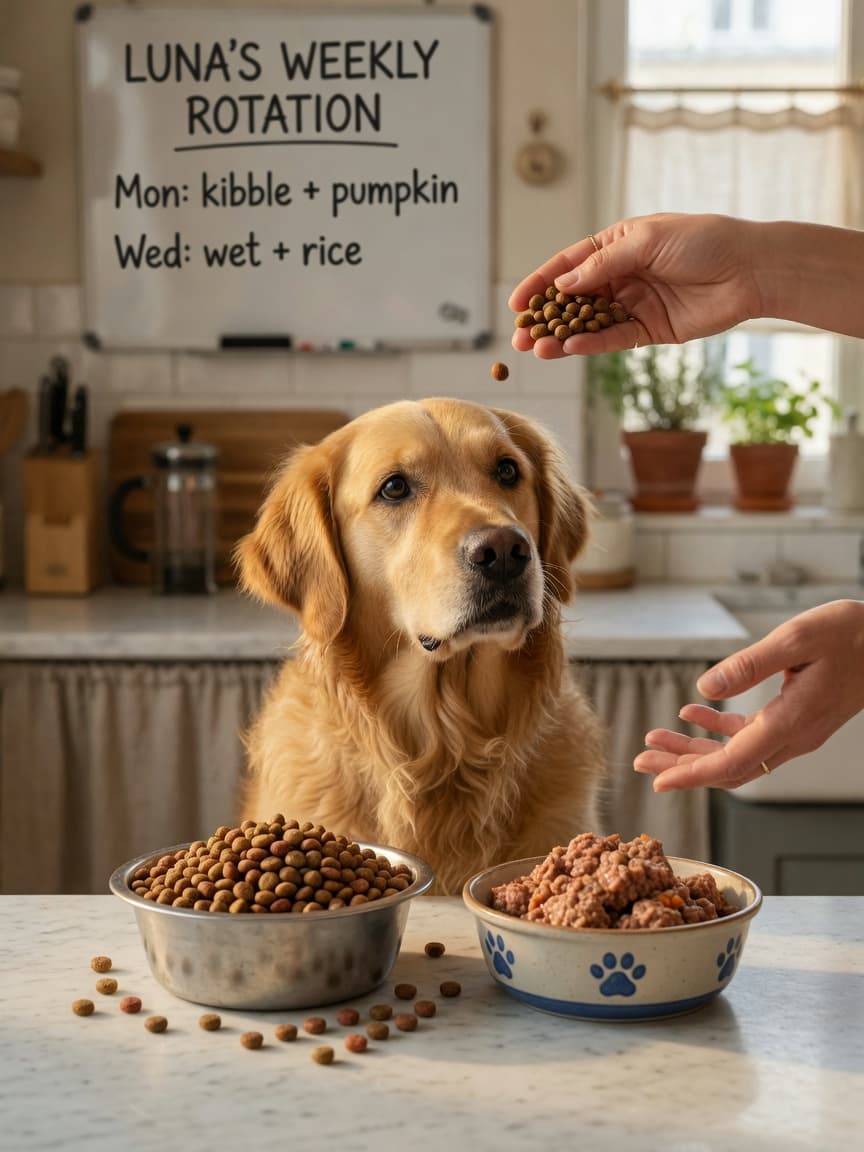
Choosing between canned and dry dog food can feel overwhelming when you're faced with endless aisles of options and conflicting advice. Both formats have genuine merits, and the right choice depends entirely on your dog's individual needs, health status, and your household situation. Rather than declaring one superior, let's examine the evidence so you can make an informed decision that works for your family.
Understanding Moisture Content and Digestion
The most obvious difference between canned and dry dog food is water content. Canned food typically contains 70-80% moisture, whilst dry kibble contains only 10-12%. This fundamental distinction affects several aspects of canine nutrition.
Higher moisture content in canned food can benefit dogs with certain health conditions, particularly those prone to urinary issues or with a history of kidney problems. The increased water intake supports hydration and urine dilution. However, dry food isn't problematic for healthy dogs—they simply obtain their moisture from drinking water instead.
Nutritional Density and Caloric Content
Dry dog food is more calorically dense because it contains less water. This means smaller portions provide complete nutrition, making kibble typically more economical for feeding. A cup of dry food contains considerably more calories and nutrients than a cup of canned food.
When comparing labels, always check the guaranteed analysis on a "dry matter basis" to accurately compare nutritional content between formats. This calculation removes water weight, giving you an accurate picture of actual nutrient concentrations.
Advantages of Dry Dog Food
- Cost-effective: Generally more affordable than canned alternatives, especially for larger dogs
- Dental benefits: The act of chewing kibble provides mild abrasive action that supports oral health
- Convenience: Easy to store, portion, and serve; no refrigeration needed after opening
- Long shelf life: Unopened bags remain fresh for extended periods
- Less waste: Individual portion packs or bags are pre-measured
Advantages of Canned Dog Food
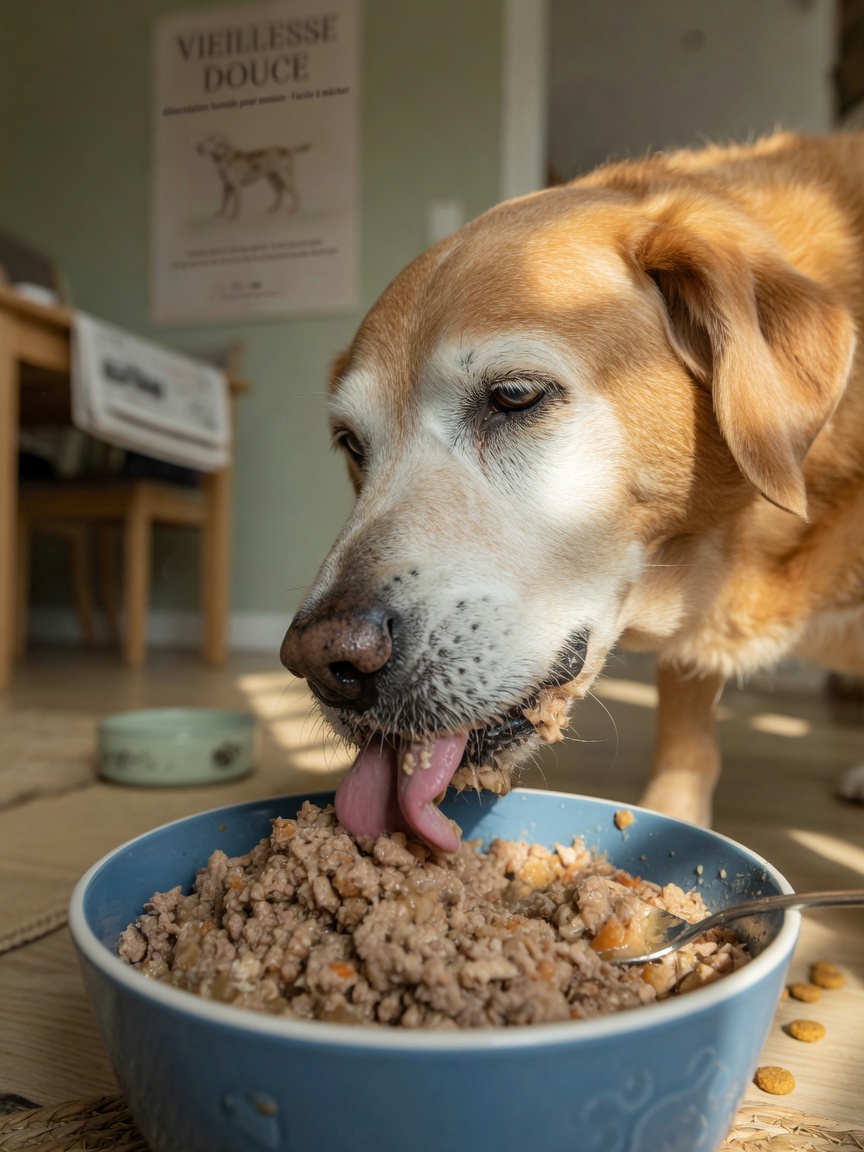
- High palatability: Many dogs find canned food more appetizing due to aroma and texture
- Ideal for picky eaters: Often helps when dogs have reduced appetite
- Beneficial for senior dogs: Easier to chew and digest for dogs with dental issues or reduced jaw strength
- Supports hydration: Higher water content encourages fluid intake
- Useful for medication administration: Softer texture makes disguising tablets easier
Special Considerations for Your Dog
Consider your dog's individual circumstances when deciding:
- Age: Puppies and senior dogs may prefer softer canned food, whilst healthy adult dogs thrive on either
- Dental health: Dogs with missing teeth, gum disease, or jaw problems benefit from canned options
- Health conditions: Dogs with kidney disease, diabetes, or urinary issues may benefit from canned food's higher moisture
- Activity level: Active dogs may need the concentrated nutrition of dry food
- Weight management: Dry food's lower moisture can support weight loss when portioned correctly
The Mixed Feeding Approach
Many pet owners find that combining both formats works beautifully. Feeding dry kibble as the primary diet with occasional canned food toppers provides nutritional variety, improves palatability, and combines the cost-effectiveness of dry food with the benefits of added moisture. This approach gives you flexibility to adjust to your dog's changing needs.
Key Takeaways
Neither canned nor dry dog food is inherently superior—the best choice aligns with your dog's health status, preferences, and your household needs. Quality matters far more than format: seek complete and balanced nutrition whether you choose kibble, canned food, or a combination. Consult your veterinary surgeon, particularly if your dog has underlying health conditions. Remember, any dietary changes should happen gradually over 7-10 days to avoid digestive upset. Your attentive observation of your dog's energy levels, coat condition, and digestive health will ultimately guide you towards the right choice for your beloved companion.