
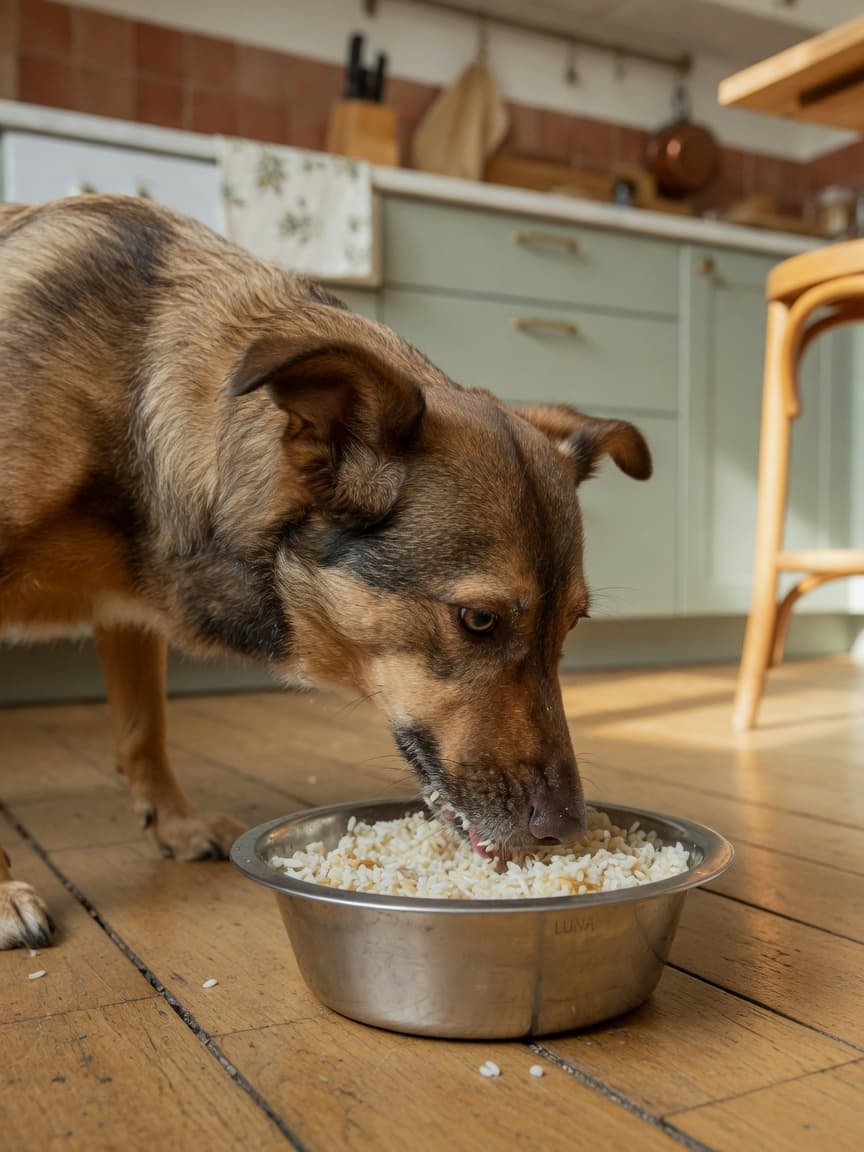
Can Dogs Eat Rice? The Vet-Recommended Staple for Upset Stomachs
By Julia Wrenfield, Pet Wellness Researcher — June 2025
Plain cooked white rice is one of the safest and most beneficial foods you can give your dog. It is the cornerstone of the classic bland diet veterinarians recommend for digestive upset, diarrhea, and gastrointestinal recovery. Safe for long-term regular inclusion in a balanced diet.
Is Rice Safe for Dogs?
If there's one human food that has earned near-universal approval from veterinarians and animal nutritionists alike, it's plain cooked white rice. It's not just safe — it's actively therapeutic for dogs experiencing digestive distress. Walk into any veterinary clinic and ask what to feed a dog with diarrhea or an upset stomach, and "boiled chicken and rice" will be the answer in the overwhelming majority of cases.
Rice is a highly digestible carbohydrate source that is easy on the gastrointestinal tract, bland enough not to irritate an inflamed stomach lining, and effective at binding loose stools. It contains no compounds toxic to dogs, causes no allergic reactions in the vast majority of dogs, and can be incorporated into a dog's regular diet without concern when offered in appropriate proportions.
The one distinction worth making: white rice and brown rice behave differently in the canine digestive system, and for dogs experiencing GI issues, white rice is significantly more appropriate. More on that below.
Why Veterinarians Recommend Rice for Upset Stomachs
The "bland diet" — plain boiled chicken and white rice — has been a cornerstone of veterinary dietary guidance for dogs with gastrointestinal upset for decades. There are specific, well-understood reasons why rice earns this recommendation:
- High digestibility. White rice is stripped of its outer bran and germ layers, leaving primarily easily digestible starch. The digestive system can process it with minimal effort, reducing the workload on an already stressed GI tract.
- Binding effect on loose stools. Cooked white rice absorbs water in the intestinal tract and helps firm up soft or liquid stools, providing direct relief from diarrhea.
- Minimal irritation risk. The bland, low-fiber nature of white rice means it is extremely unlikely to cause further irritation to an inflamed intestinal lining.
- Caloric sustenance. A sick dog still needs energy. Rice provides a clean, easily absorbed carbohydrate source that supports recovery without taxing the digestive system.
- Palatability. Even dogs that have lost their appetite due to nausea will often accept plain rice, helping maintain caloric intake during recovery periods.
White Rice vs. Brown Rice: Which Is Better for Dogs?
This is a question worth addressing clearly, because many health-conscious owners assume brown rice is automatically superior. For human nutrition, that logic is mostly sound — brown rice retains its bran layer, which provides additional fiber, vitamins, and minerals. But for dogs, particularly those with digestive sensitivities, the picture is more nuanced.
Brown rice is higher in fiber, which means it passes through the digestive system more slowly and can actually worsen diarrhea in some dogs by stimulating gut motility. For a dog with an upset stomach or active diarrhea, brown rice is the wrong choice — white rice's lower fiber content and higher digestibility make it far more effective therapeutically.
For healthy dogs without digestive issues, brown rice is a perfectly fine addition to the diet and does offer marginally better nutritional density. But for the primary use case — digestive upset and recovery — white rice is the clear winner.
Nutritional Profile of Rice for Dogs
White rice is primarily a carbohydrate source rather than a micronutrient powerhouse, but it does contribute some useful nutrients:
- Carbohydrates — rapid, clean energy source for recovery and daily activity.
- Vitamin B1 (Thiamine) — supports energy metabolism and neurological function.
- Vitamin B3 (Niacin) — involved in energy production and skin health.
- Manganese — trace mineral supporting bone development and enzyme function.
- Selenium — antioxidant mineral supporting thyroid function and immune health.
- Phosphorus — essential for bone and teeth structure.
- Low fat content — makes it appropriate for dogs with pancreatitis or fat-sensitivity issues.
How to Safely Prepare Rice for Your Dog
- Cook it plain. Boil white rice in water only — no salt, no butter, no chicken broth (commercial broths often contain onion or garlic powder), no seasoning of any kind.
- Cook thoroughly. Rice should be fully cooked and slightly soft — overcooked is better than undercooked for dogs with sensitive stomachs. Slightly mushy rice is ideal for GI upset.
- Let it cool before serving. Always allow rice to cool to room temperature before offering it to your dog to prevent burns to the mouth and digestive tract.
- Mix with protein for bland diet. For the classic veterinary bland diet, combine plain boiled rice with plain boiled chicken breast (no skin, no bones, no seasoning) in approximately a 3:1 rice-to-chicken ratio.
- Transition gradually back to normal food. After 2–3 days on a bland diet, slowly reintroduce regular food by mixing it with the rice/chicken over 3–4 days to avoid another bout of digestive upset.
- For regular feeding: Rice can be mixed with your dog's regular kibble as a topper or filler, making up no more than 25% of the meal volume for healthy dogs.
Complete your dog's diet with premium treats and food toppers from Zooplus — quality nutrition for every life stage.
Portion Guide: How Much Rice Can Dogs Eat?
| Dog Size | Weight | Bland Diet (Sick Dog) | Regular Diet Addition (Healthy Dog) |
|---|---|---|---|
| Small | <10 kg | ½ cup cooked (with 2–3 tbsp chicken) | 2–3 tablespoons mixed with kibble |
| Medium | 10–25 kg | 1–1½ cups cooked (with 4–5 tbsp chicken) | ¼ cup mixed with kibble |
| Large | >25 kg | 2–3 cups cooked (with ½ cup chicken) | ½ cup mixed with kibble |
For bland diet use: feed small amounts frequently (3–4x per day) rather than one or two large meals to ease digestion. If symptoms persist beyond 48–72 hours, consult your veterinarian — prolonged diarrhea can lead to dangerous dehydration.
- Plain cooked white rice is one of the safest and most beneficial foods for dogs.
- It is the gold-standard component of the veterinary bland diet for digestive upset and diarrhea.
- White rice is preferable to brown rice for dogs with GI issues due to its higher digestibility and lower fiber content.
- Always cook rice plain in water — no salt, butter, broth, or seasoning of any kind.
- Rice can be included long-term in a balanced diet in moderate amounts without concern.
- If diarrhea or digestive upset persists beyond 48–72 hours despite bland diet, seek veterinary attention.
References
- Fascetti AJ, Delaney SJ. Applied Veterinary Clinical Nutrition. Wiley-Blackwell; 2012. ISBN: 978-0-813-81433-9.
- Marks SL, et al. "Dietary trial using a commercial hypoallergenic diet containing hydrolyzed protein for the management of dogs with gastrointestinal disease." Veterinary Therapeutics. 2002;3(2):109–118. PMID: 12447799
- Guilford WG, Matz ME. "The nutritional management of gastrointestinal tract disorders in companion animals." New Zealand Veterinary Journal. 2003;51(6):284–291. PMID: 16032256