
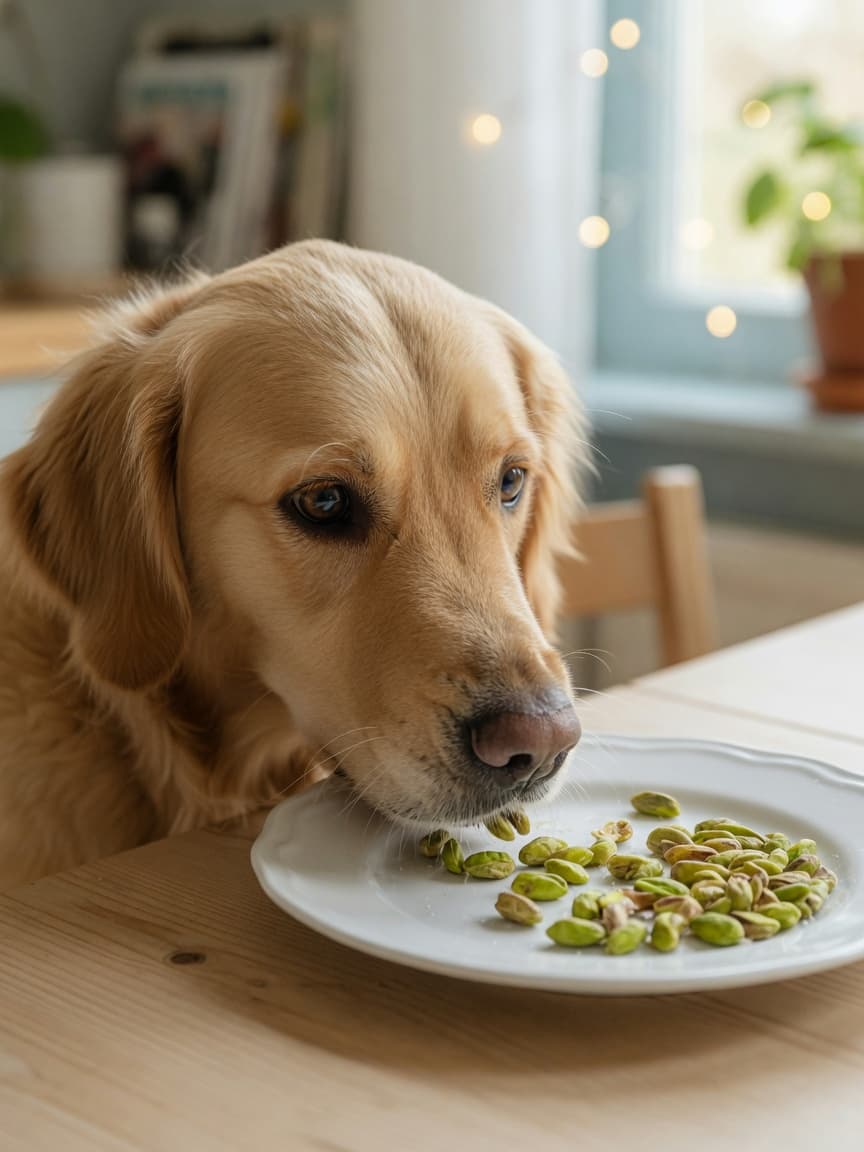
Can Dogs Eat Pistachios?
The short answer is: yes, dogs can eat pistachios in small amounts, but they require caution. Unlike some foods that are outright toxic to dogs, pistachios sit in a grey zone where they're not inherently poisonous, yet they carry several risks that mean most pet owners should think carefully before offering them. If you're considering giving your dog pistachios, understanding these risks and following specific guidelines is essential.
Why Pistachios Need Caution
Pistachios present three main concerns for dogs. First, they are high in fat and calories. Dogs fed high-fat foods can develop pancreatitis, a painful and sometimes serious inflammation of the pancreas. This risk is particularly acute in dogs with a history of pancreatitis, those prone to weight gain, or senior dogs with slower metabolisms. Even one large pistachio treat can contribute meaningfully to a small dog's daily calorie intake.
Second, pistachios have tough shells that can pose a choking hazard or cause intestinal blockages, especially in smaller breeds or dogs that don't chew thoroughly. The hard texture means pistachios take longer to break down and can lodge in the oesophagus or intestines if swallowed whole or only partially crushed.
Third, salted and roasted pistachios—the type most commonly available for human consumption—contain elevated sodium levels. Excess salt is unhealthy for dogs, potentially leading to increased thirst, sodium ion toxicosis in severe cases, and other complications. Some commercial pistachios also contain seasonings, flavourings, or additives that may upset your dog's stomach.
Safe Preparation and Amounts
If you decide to offer your dog a pistachio, preparation matters greatly. Remove the shell entirely—never give your dog a pistachio in its shell. Choose unsalted, unseasoned, roasted pistachios if possible. Avoid any with garlic, onion powder, or other flavourings, as these can be toxic. The pistachio should be cut or crushed into very small pieces to minimise choking risk.
Quantity is crucial. A single pistachio kernel, offered occasionally as a rare treat, poses minimal risk for most healthy adult dogs of medium to large size. For small dogs under 10 kg, even this may be too much. For dogs with pre-existing health conditions—particularly pancreatic issues, obesity, kidney disease, or heart problems—pistachios should be avoided entirely. Always check with your veterinarian before introducing new foods, especially for dogs on restricted diets.
Who Should Avoid Pistachios
Certain dogs should not eat pistachios under any circumstances. These include puppies, whose digestive systems are still developing; elderly dogs with compromised digestion; overweight dogs; and any dog with a history of pancreatitis, gastroenteritis, or food sensitivities. Dogs prone to eating too quickly without proper chewing are also poor candidates.
As a note: if you share your home with a cat alongside your dog, remember that cats are obligate carnivores with even more sensitive digestive systems than dogs. Cats should not eat pistachios at all, so keep them well out of reach of feline housemates as well.
Warning Signs to Watch
After your dog eats a pistachio, monitor closely for signs of distress over the following hours and days. Vomiting, diarrhoea, abdominal pain, loss of appetite, lethargy, or difficulty defecating can indicate a problem. If your dog swallowed a pistachio whole or in large pieces, watch for signs of choking or blockage such as retching, repeated unproductive vomiting, or severe constipation. Contact your vet immediately if any of these symptoms develop.
Better Alternatives
Rather than navigate the risks of pistachios, consider safer treat options specifically formulated for dogs or whole foods like small pieces of apple (without seeds), carrot, or plain cooked chicken. These provide satisfaction and variety without the dangers pistachios pose.
Pistachios aren't a necessary part of any dog's diet. If your dog has already eaten one accidentally, don't panic—a single pistachio is unlikely to cause harm in most cases. However, they're best kept off the menu as a deliberate choice. When in doubt, consult your vet before introducing any new food to your dog's diet.