
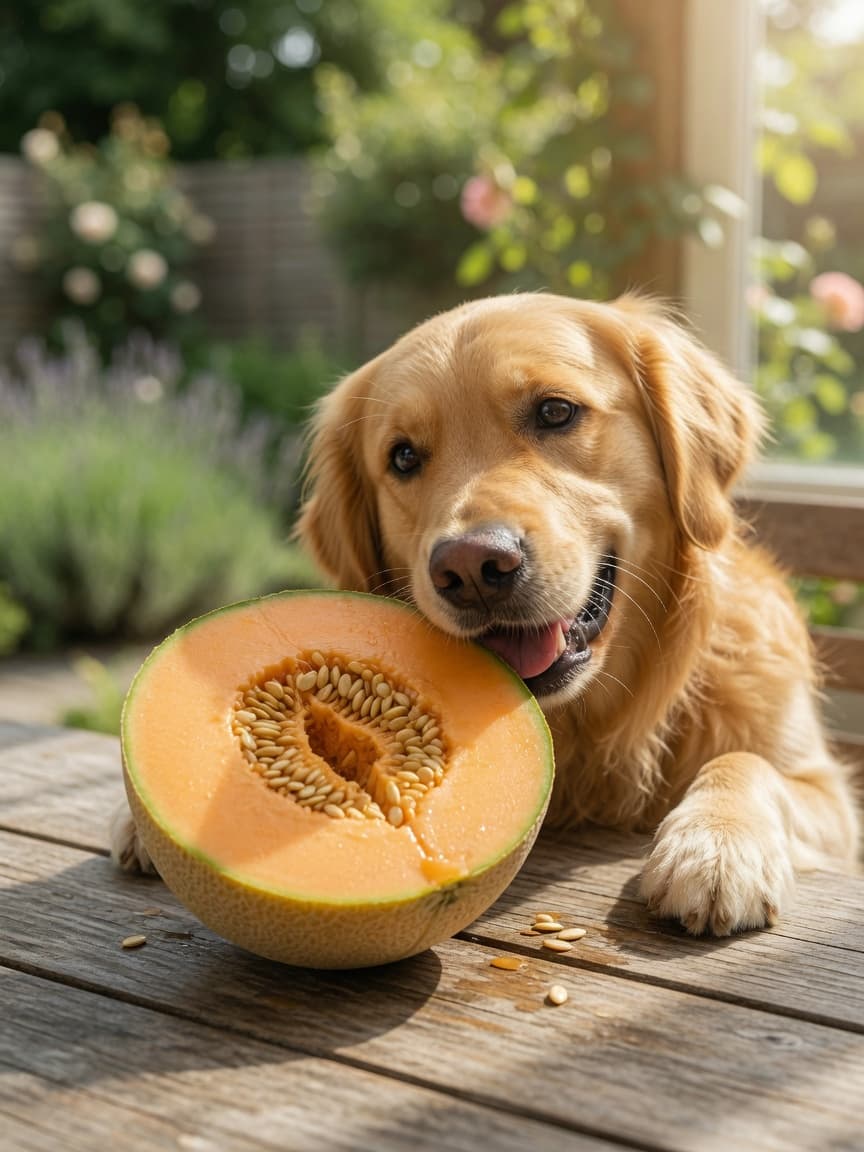
Can Dogs Eat Cantaloupe?
Yes, dogs can safely eat cantaloupe in moderation. This sweet orange melon is generally safe for most dogs when given as an occasional treat rather than as a meal replacement. However, like any human food offered to pets, cantaloupe comes with some important guidelines you should follow to keep your dog healthy and happy.
Why Cantaloupe Can Be a Good Treat
Cantaloupe offers several nutritional benefits that make it a reasonable choice for an occasional dog treat. The melon is high in water content, which can be helpful for keeping your dog hydrated, especially during warmer months. It also contains natural vitamins and minerals, including vitamin A, vitamin C, and potassium, which support overall health and immune function.
The natural sweetness of cantaloupe appeals to many dogs, making it an enticing alternative to processed treats. If your dog enjoys fruit, cantaloupe can be a refreshing, low-calorie option that feels special without the guilt of high-fat or high-sugar commercial snacks.
How Much Cantaloupe Can Dogs Have?
Moderation is key when offering cantaloupe to your dog. Treats should make up no more than 10 percent of your dog's daily caloric intake, with the remaining 90 percent coming from a balanced, complete dog food diet. For most dogs, this means a few small cubes of cantaloupe once or twice a week is an appropriate amount.
Smaller dogs should receive smaller portions—think a single bite or a small cube—whilst larger dogs can have a slightly bigger piece. Always consider your individual dog's weight, age, and overall diet when deciding on portion sizes. If your dog is overweight or has dietary restrictions, consult your veterinarian before introducing cantaloupe.
How to Prepare Cantaloupe Safely
Preparation matters when serving cantaloupe to your dog. Always wash the outside of the melon thoroughly under running water to remove any dirt or pesticide residue. Cut the cantaloupe in half and remove all the seeds—whilst small amounts of melon flesh won't harm your dog, seeds can pose a choking hazard or cause digestive upset in some animals.
Remove the hard outer rind completely, as it is too tough to chew safely and offers no nutritional benefit. Cut the flesh into small, bite-sized pieces appropriate for your dog's size. Never serve cantaloupe that has been treated with pesticides or other chemicals, and avoid any mouldy or spoiled fruit.
Potential Caveats and Considerations
Whilst cantaloupe is generally safe, some dogs may experience digestive upset if they consume too much, particularly if they have sensitive stomachs. Signs of upset include vomiting, diarrhoea, or loss of appetite. If your dog shows these symptoms after eating cantaloupe, discontinue offering it and contact your veterinarian if symptoms persist.
Dogs with diabetes or those prone to weight gain should have cantaloupe only sparingly, as it does contain natural sugars. Additionally, some dogs may have individual allergies or sensitivities to cantaloupe, though this is uncommon.
It is worth noting that cats, being obligate carnivores, have very different nutritional needs from dogs and derive little nutritional benefit from fruits. If you have cats in your household, keep cantaloupe secured and monitor that your cat does not nibble on pieces intended for your dog.
The Bottom Line
Cantaloupe can be a safe, refreshing treat for your dog when served in appropriate portions and prepared properly. Remove all seeds and rind, offer only small pieces, and treat it as an occasional indulgence rather than a regular part of your dog's diet. If you have any concerns about introducing new foods to your dog or if your pet has underlying health conditions, always check with your veterinarian first. With these precautions in place, there is no reason your dog cannot enjoy a taste of cantaloupe on a warm day.