
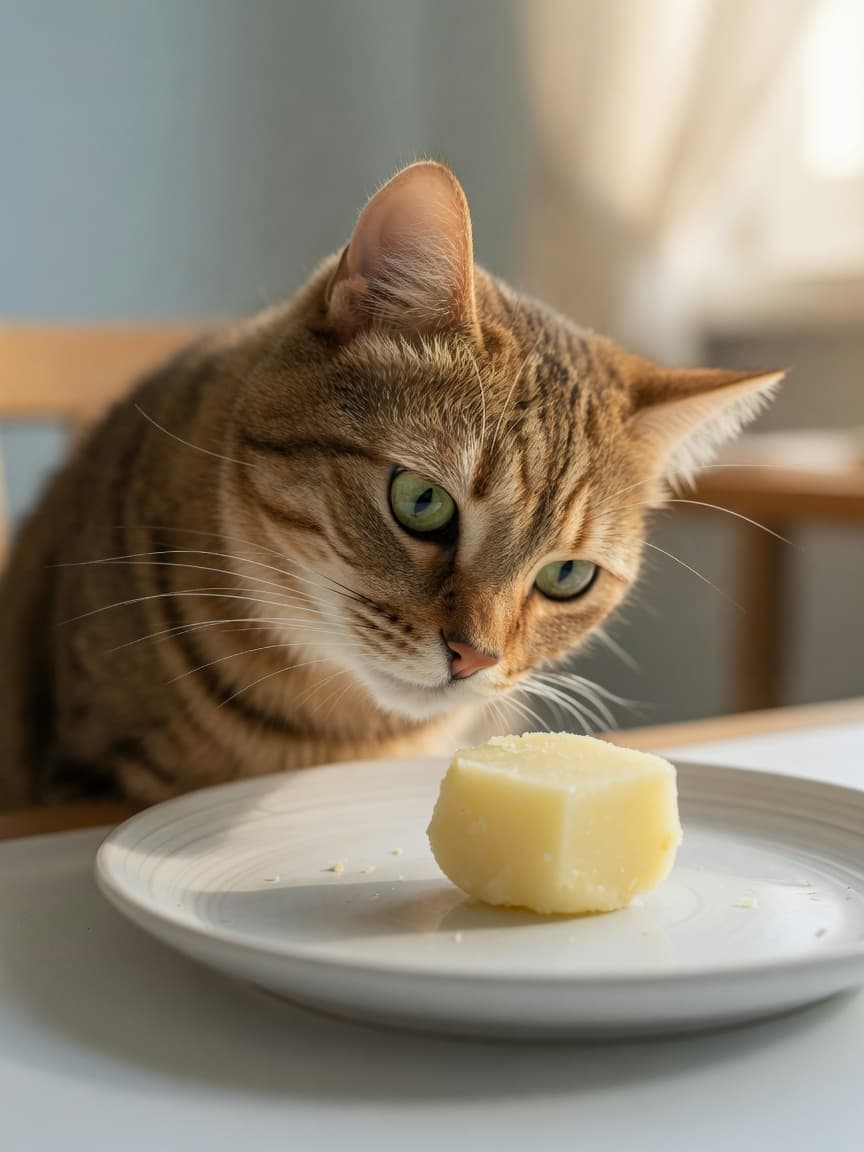
Can Cats Eat Potatoes? The Short Answer
Yes, cats can eat small amounts of plain, cooked potatoes, but they should only be offered occasionally and with caution. While potatoes aren't toxic to cats, they offer little nutritional benefit and do carry some risks that make them unsuitable as a regular part of your cat's diet.
Why Potatoes Require Caution
Cats are obligate carnivores, meaning their bodies are designed to thrive on meat-based diets. They have specific nutritional requirements that plant-based foods like potatoes simply cannot meet. Offering potatoes regularly could displace more nutritious food from your cat's diet, potentially leading to deficiencies.
Raw potatoes pose particular dangers. They contain compounds called alkaloids, which can cause digestive upset in cats. Additionally, raw potatoes are hard and starchy, making them a choking hazard and difficult for cats to digest properly.
Cooked potatoes are safer than raw ones, but they're still high in carbohydrates and calories. Cats have a low carbohydrate requirement, and excessive carbs can contribute to weight gain and potentially increase the risk of diabetes, especially in indoor or less active cats. Potatoes offer almost no protein, which is essential for feline health.
Safe Preparation Methods
If you decide to offer your cat a small taste of potato, preparation is crucial. The safest approach is to boil or steam plain potatoes until they're soft, then mash them thoroughly. Never offer fried potatoes, as the added fat and salt are harmful. Avoid potatoes prepared with butter, oils, garlic, onions, or any seasonings—garlic and onions are toxic to cats, and excess salt can cause problems.
Remove all skin before offering potato to your cat. The skin contains higher concentrations of those potentially harmful alkaloid compounds and poses an additional choking risk.
How Much Is Safe?
If you choose to offer potato to your cat, think in terms of a tiny taste rather than a meal. A piece the size of a pea or small marble is sufficient. This should happen only occasionally—perhaps once or twice per month at most—and never as a substitute for proper feline nutrition. Most cats will have no need for potatoes in their diet whatsoever, and that's perfectly fine.
Which Cats Should Avoid Potatoes Entirely
Some cats should never eat potatoes. Kittens, elderly cats, and cats with existing health conditions should avoid them completely. Cats with diabetes, kidney disease, or obesity should definitely not eat potatoes, as the carbohydrate content and caloric density could complicate their conditions. If your cat takes medication for any chronic illness, consult your vet before introducing any new foods.
Additionally, if your cat has a sensitive digestive system or a history of vomiting or diarrhoea, it's best to skip potatoes entirely. Some cats simply have lower tolerance for foods outside their normal diet.
What About Sweet Potatoes?
Sweet potatoes carry similar cautions as regular potatoes. While they contain slightly more nutrients, they're also higher in sugar and should be treated with the same restraint—tiny amounts only, fully cooked, and mashed, never as a regular food.
Signs Your Cat Has Had a Problem
After offering potato (if you choose to), watch for signs of digestive upset over the next 24 hours. Vomiting, diarrhoea, loss of appetite, or lethargy warrant a call to your vet. If your cat has eaten a significant amount of raw potato or potato skin, or if they're showing any concerning symptoms, contact your veterinary clinic promptly.
The Bottom Line
Potatoes are not a suitable regular food for cats and offer no real nutritional advantage to obligate carnivores. While a tiny taste of plain, cooked potato won't poison your cat, there's genuinely no good reason to offer it. Your cat's nutritional needs are best met through high-quality commercial cat food or a diet formulated with veterinary guidance. When in doubt, consult your vet before introducing any human food to your cat's diet.