
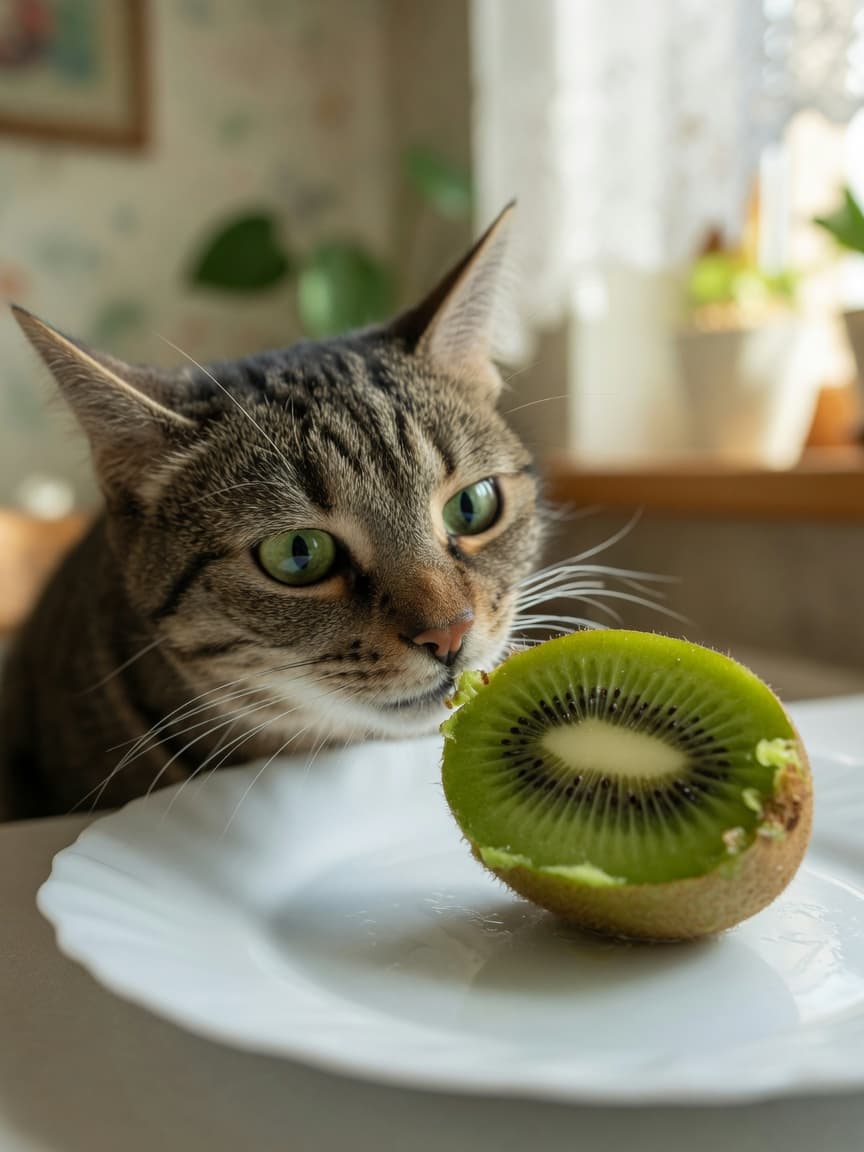
Can Cats Eat Kiwi?
Yes, cats can eat kiwi in moderation as an occasional treat. Kiwi is generally safe for cats and is not toxic, making it a refreshing fruit option if your feline friend shows interest in it. However, because cats are obligate carnivores, kiwi should never form part of their regular diet or replace their primary meals.
Understanding Your Cat's Nutritional Needs
Cats are obligate carnivores, meaning their bodies are designed to thrive on a diet of meat and animal proteins. Unlike humans and some other pets, cats cannot synthesise certain essential nutrients from plant-based foods alone. This is why their main diet should consist of high-quality protein from animal sources. Fruits and vegetables, including kiwi, are not nutritionally necessary for cats and should only be offered as occasional treats.
Nutritional Benefits of Kiwi
Kiwi fruit does contain some nutritional elements that are generally beneficial, such as vitamin C, vitamin K, and dietary fibre. However, cats don't require vitamin C supplementation in the way humans do, as they produce their own vitamin C naturally. Whilst the fibre content in kiwi is mild, most cats receive adequate fibre from their regular diet. That said, a small amount of kiwi as an occasional treat is unlikely to cause harm and may offer very minimal nutritional enrichment.
How Much Kiwi Can Cats Safely Eat?
If you decide to offer your cat kiwi, keep portions very small and infrequent. A few small cubes or a thin slice no more than once or twice per month is appropriate. Remember the "90/10 rule" commonly recommended for pet nutrition: 90% of your cat's daily calories should come from their complete, balanced cat food, with only 10% from treats and other foods. This means kiwi should be a rare treat rather than a regular snack.
How to Serve Kiwi Safely
Before offering kiwi to your cat, always peel it completely and remove all seeds. The skin can be difficult for cats to digest and may pose a choking hazard. Cut the fruit into small, appropriately sized pieces that your cat cannot choke on. Fresh, ripe kiwi is preferable to tinned varieties, which often contain added sugars that are unnecessary and potentially harmful for cats. Avoid kiwi that is unripe or overly soft, and never give your cat processed kiwi products.
It's also wise to introduce kiwi very gradually if your cat has never eaten it before. Offer just a tiny piece and monitor your cat for any adverse reactions over the following hours. Some cats may have individual sensitivities to certain fruits, and gastrointestinal upset is always a possibility when introducing new foods.
Potential Caveats and Concerns
Whilst kiwi is generally safe, some cats may experience digestive upset, including mild diarrhoea or vomiting, particularly if they consume too much. The acidity in kiwi may also be uncomfortable for cats with sensitive stomachs. Additionally, if your cat has existing health conditions such as diabetes or kidney disease, consult your veterinary surgeon before offering any new foods, including kiwi.
Some cats simply may not be interested in fruit at all, which is completely normal and healthy. Never force your cat to eat kiwi or any other food they don't want.
When to Avoid Kiwi
Do not offer kiwi to cats with known fruit sensitivities, digestive issues, or those on restricted diets prescribed by your vet. Pregnant, nursing, or very young kittens should stick strictly to their specialist kitten food without additional treats.
Final Thoughts
Kiwi is a safe occasional treat for most healthy adult cats when offered in tiny portions and prepared properly. However, it's entirely unnecessary for your cat's health and wellbeing. If your cat shows no interest in fruit, there's no need to encourage them. Always prioritise high-quality feline nutrition, and if you have any concerns about introducing new foods, contact your veterinary surgeon for personalised advice.