
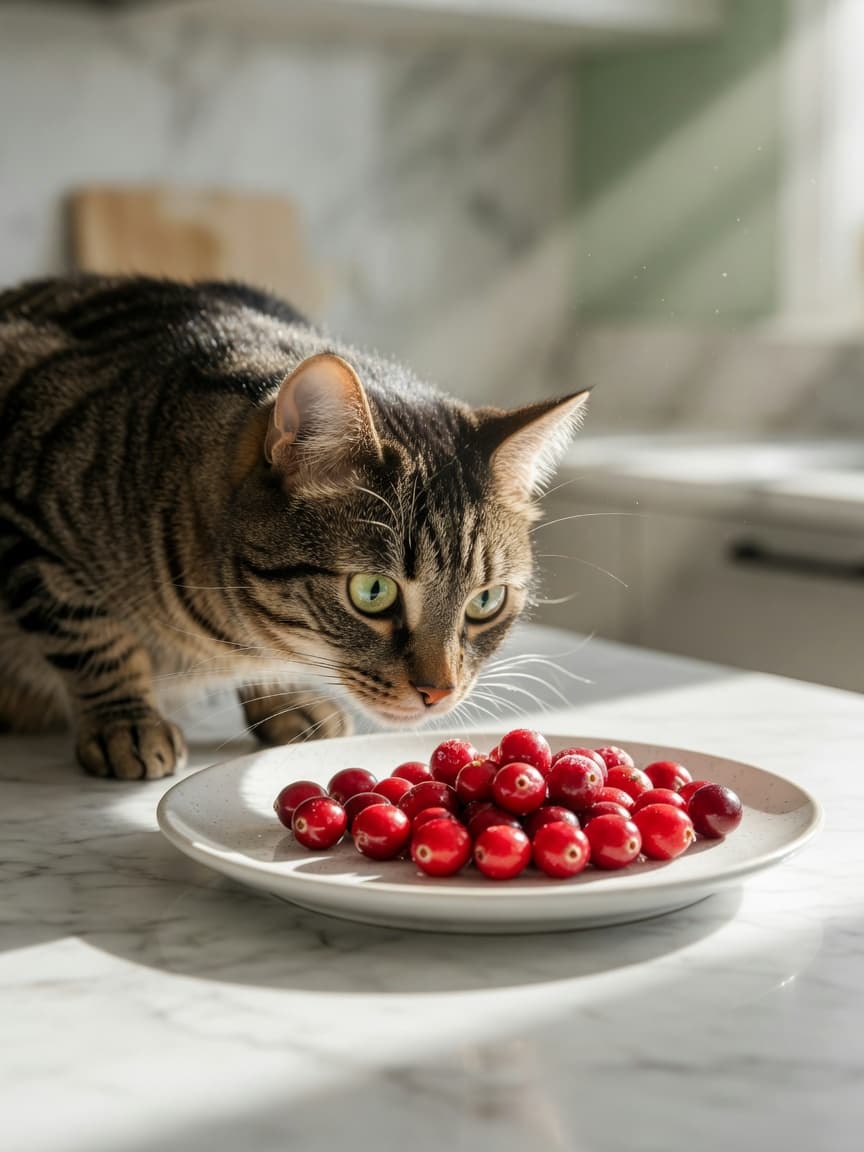
Can Cats Eat Cranberries?
Yes, cats can eat cranberries, but only in moderation as an occasional treat. Cranberries are not toxic to cats and can offer some minor health benefits when given carefully. However, because cats are obligate carnivores, cranberries should never become a regular part of their diet or replace their primary meat-based nutrition.
Are Cranberries Safe for Cats?
Cranberries are generally safe for cats to eat in small amounts. Unlike some fruits and foods that pose serious toxicity risks to feline companions, cranberries do not contain compounds that are poisonous to cats. They are not on the list of foods pet owners should avoid giving their cats.
That said, safety depends entirely on quantity and preparation. Fresh cranberries are far safer than processed versions, which often contain added sugars, artificial sweeteners, or other ingredients that may upset a cat's digestive system or contribute to other health problems.
Understanding Your Cat's Dietary Needs
It is important to remember that cats are obligate carnivores. This means their bodies are designed to obtain essential nutrients—particularly taurine, vitamin A, and arachidonic acid—primarily from meat. Cats have limited ability to digest plant-based foods efficiently, and fruits like cranberries do not provide the nutritional profile cats require to thrive.
Offering cranberries as a treat is acceptable, but they should make up only a tiny fraction of your cat's daily calorie intake, if any at all. Most cats will not be interested in cranberries anyway, as they cannot taste sweetness the way humans do and tend to prefer savoury, meat-based foods.
Potential Benefits of Cranberries for Cats
Cranberries contain antioxidants and compounds that may support urinary tract health. Some research has suggested that cranberry products may help prevent urinary tract infections in certain animals, though cats' unique urinary chemistry means they do not necessarily benefit in the same way humans do.
If your cat has a history of urinary issues, cranberries are not a substitute for veterinary treatment or prescription diets designed to address those problems. Always consult your vet before introducing any new food, especially if your cat has existing health concerns.
How to Serve Cranberries Safely
If you decide to offer your cat a cranberry treat, follow these guidelines:
Use fresh cranberries only. Raw, unsweetened fresh cranberries are the safest option. Wash them thoroughly before offering them to your cat.
Offer only tiny amounts. A single fresh cranberry, or perhaps two small pieces, is more than sufficient. This should be an occasional treat, not a regular addition to meals.
Avoid processed cranberry products. Cranberry juice, dried cranberries, cranberry sauce, and other processed versions often contain added sugar, artificial sweeteners (particularly xylitol, which is toxic to cats), preservatives, and other ingredients unsuitable for feline consumption. Never give these to your cat.
Monitor your cat's reaction. Some cats may experience mild digestive upset from any fruit. If your cat shows signs of vomiting, diarrhoea, or loss of appetite after eating cranberries, do not offer them again and contact your veterinarian if symptoms persist.
When to Avoid Cranberries
Do not give cranberries to cats with kidney disease, diabetes, or a history of urinary tract issues without first discussing it with your vet. Additionally, if your cat is overweight or has digestive sensitivities, cranberries may not be appropriate treats.
Pregnant, nursing, or very young kittens should stick to their regular diet without the introduction of unusual foods.
The Bottom Line
Cranberries are safe for cats in very small, occasional amounts, but they offer limited nutritional value to obligate carnivores. Fresh cranberries are always preferable to processed versions. If you want to treat your cat, meat-based treats aligned with their natural dietary needs are a better choice. When in doubt, speak with your veterinarian before introducing any new food to your cat's diet.