
Kidney Disease in Cats: Diet, Symptoms & Prognosis
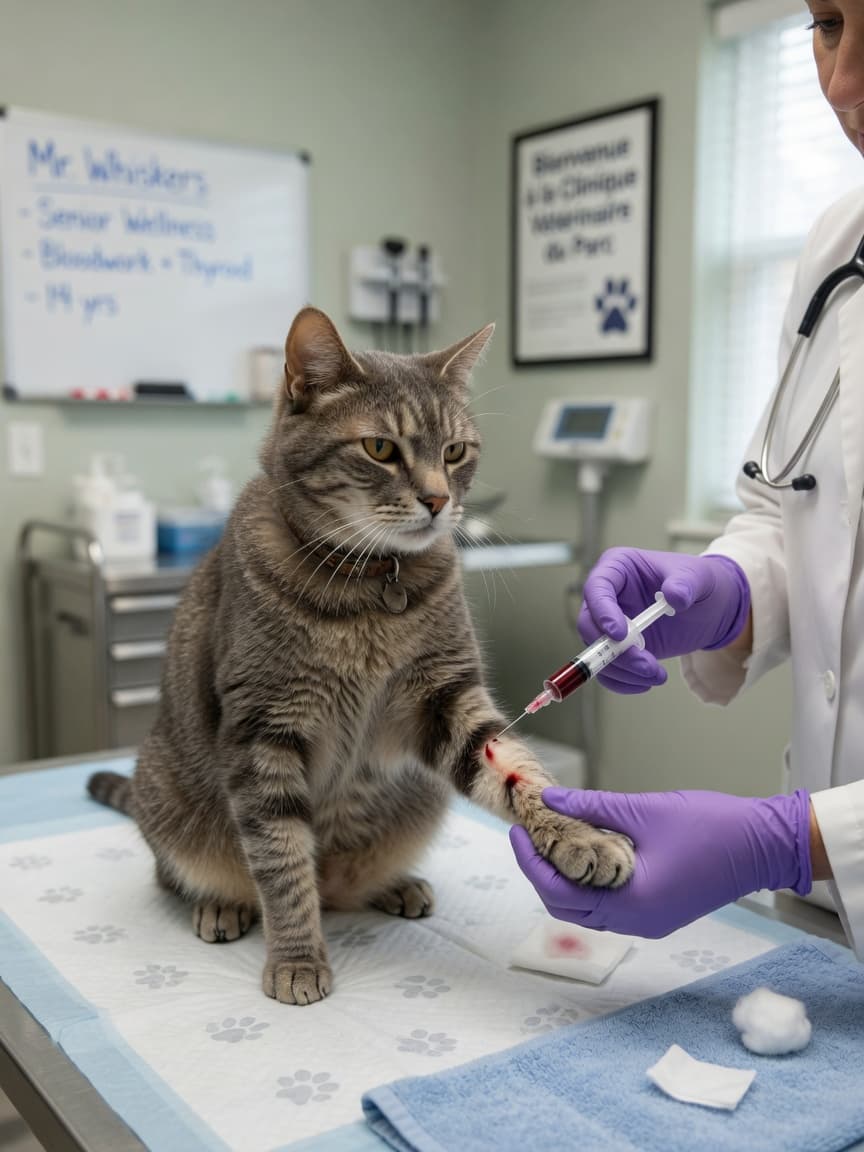
A diagnosis of chronic kidney disease in a cat is not a death sentence. With appropriate diet management, fluid support, and veterinary care, many cats with CKD live comfortably for years after diagnosis. The key is understanding what is happening in the kidneys, how to interpret the staging system, and how dietary choices directly influence the rate of progression. Kidney disease management in cats is one of the most diet-dependent conditions in all of veterinary medicine—what a cat eats can genuinely make the difference between months and years of quality life.
Understanding the IRIS Staging System
The International Renal Interest Society (IRIS) has developed the most widely used staging system for feline CKD, based primarily on blood creatinine and symmetric dimethylarginine (SDMA) levels, with sub-staging based on blood pressure and urine protein-to-creatinine ratio.
- Stage 1: SDMA elevated but creatinine normal or minimally elevated; no clinical signs. This stage is detectable only through blood and urine testing. With proactive management, Stage 1 cats can remain stable for years.
- Stage 2: Mild azotemia (elevated waste products in the blood). Cats may show subtle signs—slightly increased thirst, occasional vomiting—or none at all. Most cats are first diagnosed at Stage 2. Dietary modification becomes important here.
- Stage 3: Moderate azotemia with more consistent clinical signs: weight loss, reduced appetite, vomiting, lethargy, poor coat. Anemia and hypertension become significant concerns. Survival times vary widely but can extend 1–3 years with aggressive management.
- Stage 4: Severe azotemia; uremic crisis likely or already occurring. Signs include profound weakness, oral ulcers, severe anemia, and complete appetite loss. This stage typically has a prognosis of weeks to a few months, though individual variation exists.
Symptoms to Watch For
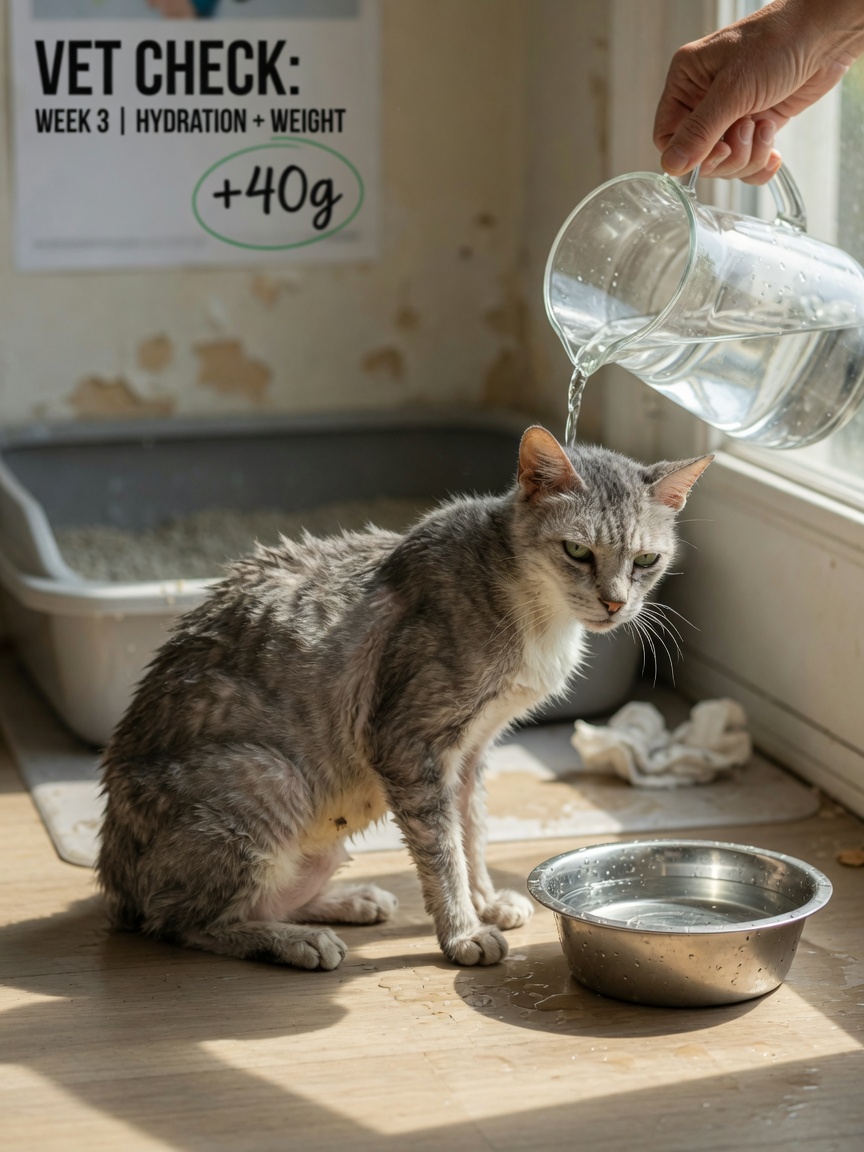
Understanding the symptoms of CKD helps owners recognize when veterinary evaluation is urgent and when subtle changes may indicate progression despite treatment.
Polydipsia and polyuria: Increased water consumption and increased urination are often the first owner-noticed signs. The diseased kidney loses its ability to concentrate urine, so cats compensate by drinking more. Owners often notice the water bowl needs refilling more frequently, or the litter box seems unusually wet.
Weight loss: Protein wasting, reduced appetite, nausea from uremic toxins, and the metabolic demands of the disease all contribute to progressive weight loss. Muscle mass is particularly affected—the spine, hips, and shoulders become prominent.
Vomiting and nausea: Accumulating uremic toxins trigger nausea. Cats may vomit bile, show lip-licking (a nausea sign), or simply eat less due to nausea without vomiting. Anti-nausea medications significantly improve quality of life and appetite in affected cats.
Bad breath with a uremic odor: A distinctive ammonia or metallic odor on the breath results from elevated blood urea nitrogen (BUN). This is a relatively advanced sign.
Lethargy and weakness: Both the uremia itself and secondary anemia (from reduced erythropoietin production) cause fatigue. Affected cats sleep more, move less, and lose interest in play and interaction.
The Protein Restriction Debate
Protein restriction in feline CKD is one of the most discussed—and nuanced—topics in veterinary nutrition. The traditional view held that reducing dietary protein reduces the nitrogen load the kidneys must excrete, slowing progression and reducing uremic symptoms. This is partially true but incomplete.
The complication is that cats are obligate carnivores with an evolutionary requirement for dietary protein that exceeds that of most other mammals. Aggressive protein restriction in cats carries real risks: muscle wasting, hypoalbuminemia, and reduced immune function. Current evidence and IRIS guidelines recommend moderate protein restriction in Stage 2–3 CKD, with emphasis on high-quality, highly digestible protein sources rather than maximum restriction. The focus has shifted from "how little protein" to "what kind of protein."
A key principle: appetite and body weight are paramount. A cat that refuses a renal diet and loses body condition is worse off than a cat thriving on a higher-protein diet. Palatability and caloric intake must be balanced against theoretical benefits of restriction, particularly in advanced stages.
Phosphorus Restriction: The Clearest Dietary Priority
While the protein debate continues, phosphorus restriction has much stronger evidence behind it. Elevated blood phosphorus (hyperphosphatemia) directly accelerates kidney damage through calcium-phosphorus interactions and secondary hyperparathyroidism. Studies have consistently shown that phosphorus restriction slows CKD progression and improves survival in cats.
Most commercial renal diets achieve phosphorus restriction through reduced meat content (meat is phosphorus-dense) and phosphate-binding additives. When dietary restriction alone is insufficient—common in Stage 3–4—intestinal phosphate binders (aluminum hydroxide, lanthanum carbonate, calcium carbonate) are added to the food to reduce phosphorus absorption from the GI tract.
Hydration: Wet Food as Medicine
Perhaps the most impactful single dietary change for a cat with CKD is the shift from dry to wet food. Cats evolved as desert animals with a low thirst drive; they obtain most of their fluid from prey. Dry kibble provides approximately 10% moisture, while canned food provides 70–80%. A cat eating exclusively dry food is chronically mildly dehydrated—a state that is manageable in health but significantly stresses diseased kidneys.
Feeding wet food exclusively increases daily water intake by 50–100 mL/day in many cats—a clinically meaningful amount that improves urine concentration, reduces urinary toxin concentration, and supports better kidney perfusion. Warm food, multiple small meals, and the use of food toppers to increase palatability all support adequate intake in CKD cats with reduced appetites.
Managing Anemia and Appetite
Anemia develops in moderate-to-advanced CKD because the failing kidneys produce less erythropoietin (EPO), the hormone that stimulates red blood cell production. Severe anemia causes profound weakness and dramatically reduces quality of life. Treatment options include injectable erythropoiesis-stimulating agents (darbepoetin is preferred over recombinant human EPO, which can trigger antibody formation in cats) and, in severe cases, blood transfusion for acute crises.
Appetite stimulants—mirtazapine (oral or transdermal) and capromorelin (Elura)—are important tools in the advanced CKD management toolkit. Maintaining caloric intake and body weight is the single most powerful predictor of survival time in CKD cats; these medications help bridge periods of poor appetite during illness or medication adjustment.
Prognosis by IRIS Stage
Prognosis varies substantially based on stage at diagnosis, sub-staging (blood pressure, proteinuria), and individual cat factors. Stage 1–2 cats with good appetite and stable weight can live 3–5 or more years with appropriate management. Stage 3 cats have median survival times of 1–2 years; some do considerably better. Stage 4 cats have a guarded prognosis typically measured in weeks to a few months. These are medians, not ceilings—individual cats regularly exceed expectations, particularly those with attentive owners who maintain regular veterinary contact.
Key Takeaways
- IRIS staging (1–4) based on creatinine/SDMA levels guides treatment intensity; most cats are diagnosed at Stage 2.
- Phosphorus restriction has the strongest evidence base for slowing CKD progression; add phosphate binders if dietary restriction is insufficient.
- Switching to wet food can increase daily water intake by 50–100 mL/day—a clinically meaningful benefit for diseased kidneys.
- Moderate protein restriction using high-quality, digestible protein is preferred over aggressive restriction, which risks muscle wasting.
- Anemia management (darbepoetin) and appetite stimulants (mirtazapine, capromorelin) are critical quality-of-life tools in advanced CKD.
- Maintaining caloric intake and stable body weight is the most powerful predictor of survival time in CKD cats.
References
- Sparkes AH, Caney S, Chalhoub S, et al. ISFM Consensus Guidelines on the Diagnosis and Management of Feline Chronic Kidney Disease. J Feline Med Surg. 2016;18(3):219–239. PMID: 26936494.
- Elliott J, Syme HM, Reubens E, Markwell PJ. Assessment of acid-base status of cats with naturally occurring chronic renal failure. J Small Anim Pract. 2003;44(2):65–70. PMID: 12602489.
About the Author: Julia Wrenfield is a Pet Wellness Researcher with over 12 years of experience in companion animal health. She writes for ForPetsHealthcare.com to help pet owners make informed, evidence-based decisions for their animals.