
Aflatoxin in Dog Food: The Mould Toxin That Has Caused Mass Deaths
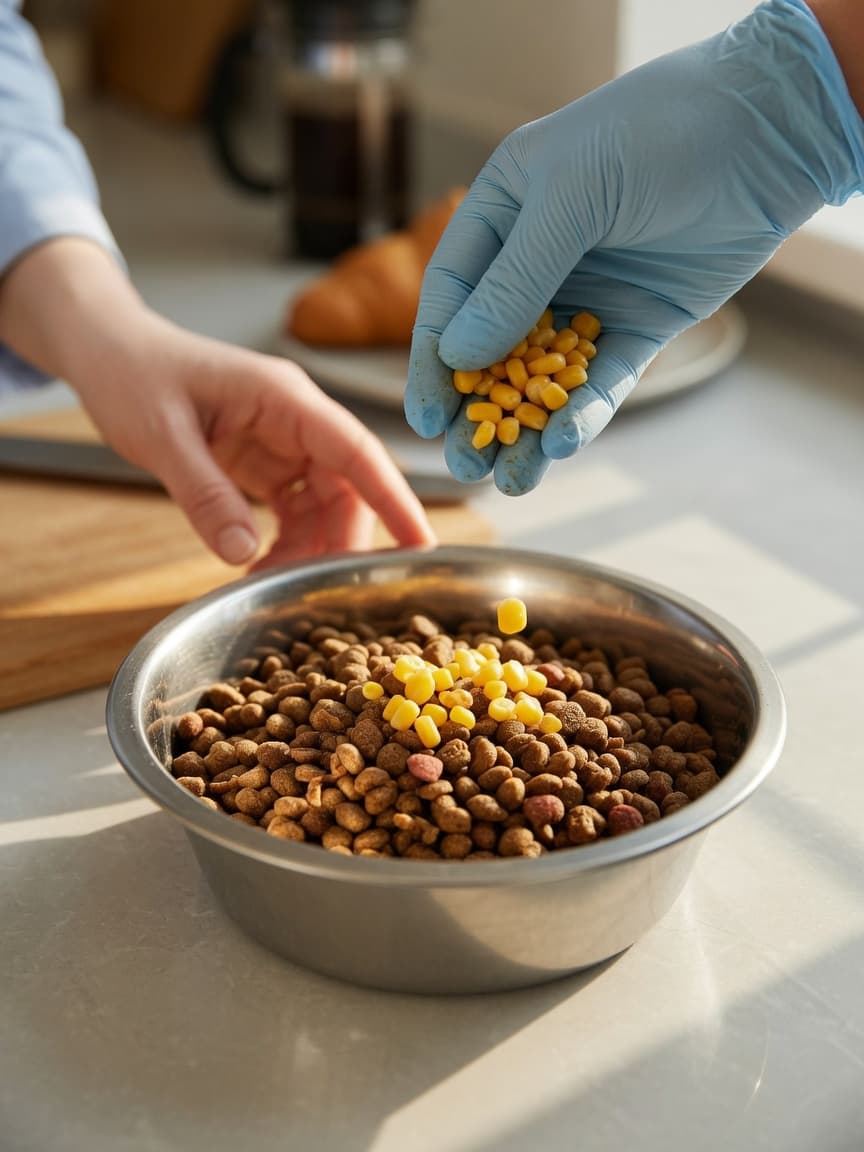
In late 2020 and into 2021, hundreds of dogs in the United States died after eating dry dog food contaminated with aflatoxin. The recall that followed affected millions of bags of kibble across multiple brands, and it served as a stark reminder that one of the most dangerous threats to pet food safety is invisible to the naked eye and resistant to normal cooking temperatures.
Aflatoxin is not a new problem. It has been documented in animal feeds for decades. But each time a major contamination event occurs, many pet owners are encountering the term for the first time. Understanding what aflatoxin is, where it comes from, and how it affects dogs can help you make safer choices about what you feed your animals.
What Aflatoxin Is and Where It Comes From
Aflatoxins are toxic compounds produced by moulds, primarily Aspergillus flavus and Aspergillus parasiticus. These moulds grow on crops including maize (corn), peanuts, cottonseed, and certain cereals under specific conditions — particularly warm temperatures combined with high humidity or drought stress during crop growth. The toxins themselves are not the mould but metabolic byproducts the mould produces as it colonises the grain.
The problem is that aflatoxins are extraordinarily stable. They survive standard manufacturing processes including the high-temperature extrusion used to make dry kibble. They cannot be cooked away. Once contaminated grain enters the production process, the toxin persists in the finished product.
Why Dogs Are Particularly Vulnerable
Different species vary considerably in their sensitivity to aflatoxins. Ducks and pigs are highly sensitive. Sheep and goats are relatively tolerant. Dogs fall into a highly sensitive category, which means they suffer significant organ damage at doses that might be tolerable for other animals. This sensitivity, combined with the fact that many dogs eat the same dry food every single day without dietary variation, means that chronic low-level exposure can accumulate damage over time even if no single meal delivers a clearly toxic dose.
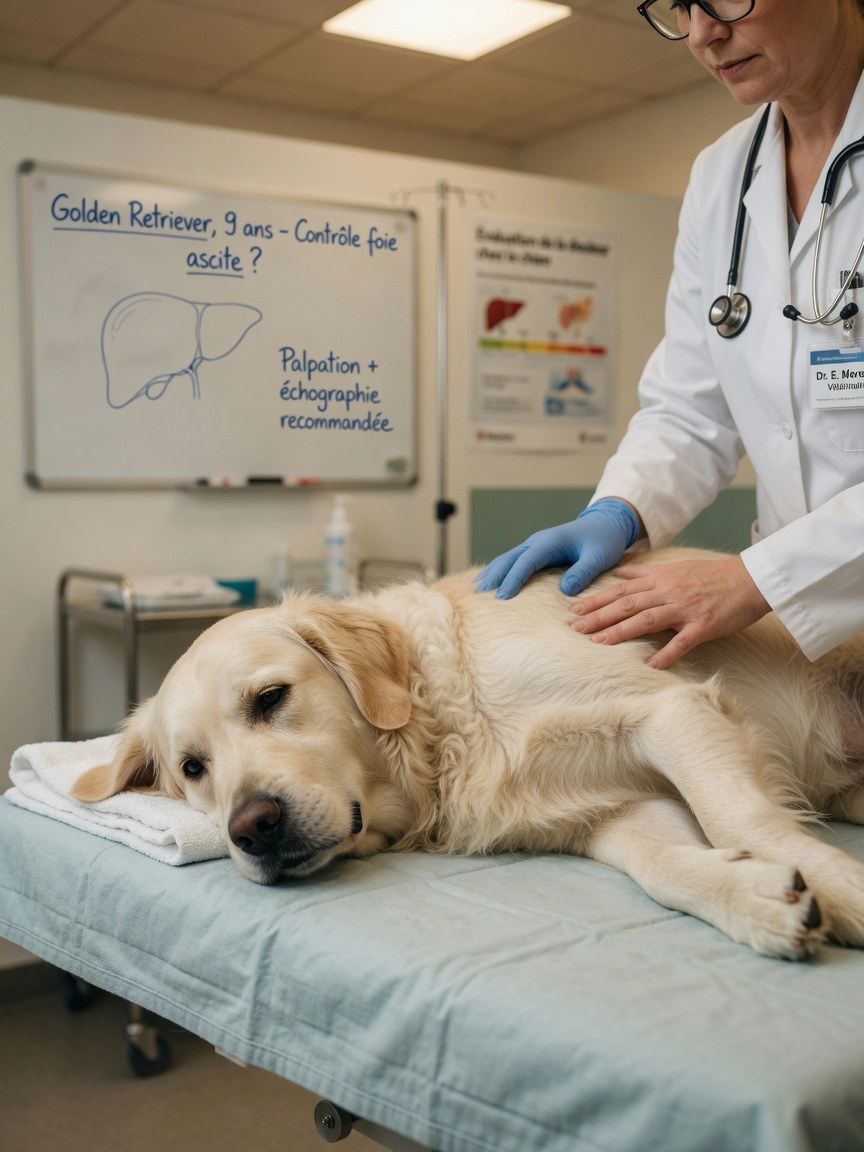
The primary target organ is the liver. Aflatoxin B1, the most potent and most commonly occurring form, is metabolised in the liver to a reactive compound that binds to DNA and causes cell damage. This leads to a condition called aflatoxicosis, characterised by liver failure.
Symptoms of Aflatoxicosis in Dogs
Aflatoxicosis can present in acute or chronic forms depending on the level and duration of exposure. Acute poisoning from a very high dose causes rapid liver failure and is often fatal within days. Chronic exposure at lower levels is more insidious and may not produce obvious symptoms for weeks or months.
Signs to watch for include:
- Sluggishness and unusual lethargy
- Loss of appetite
- Vomiting
- Jaundice — yellowing of the eyes, gums, or skin
- Diarrhoea, sometimes with blood
- Swelling of the abdomen due to fluid accumulation
- Unusual bruising or bleeding that does not stop normally
If you notice any of these signs, particularly jaundice or abdominal swelling, contact a veterinarian immediately. Liver damage from aflatoxin can progress rapidly and is not self-resolving.
How Contamination Reaches Commercial Pet Food
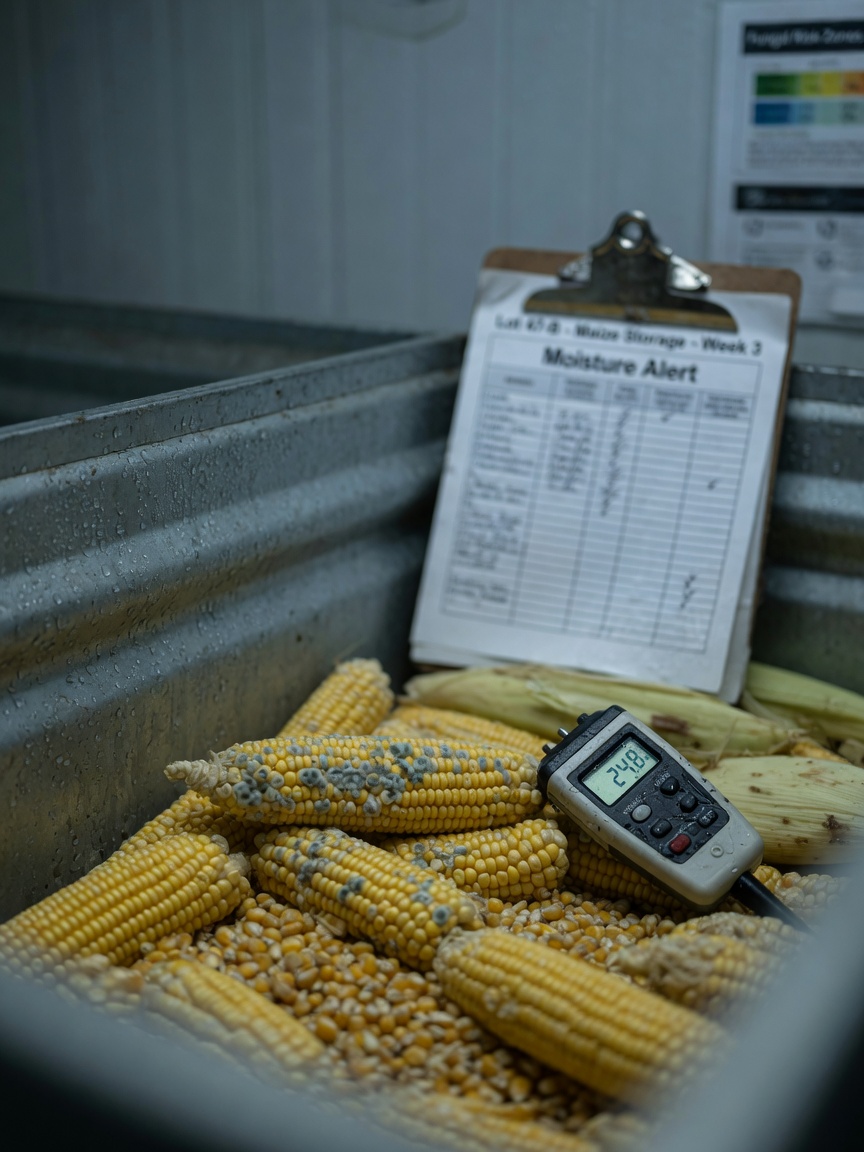
Aflatoxin contamination typically originates at the agricultural stage, before grain ever reaches a pet food manufacturer. Corn is a particularly high-risk ingredient because Aspergillus moulds thrive in warm corn-growing regions, and drought conditions that stress the plants further increase vulnerability. Storage conditions after harvest also matter — improperly stored grain in humid conditions can develop mould contamination even if it was clean at harvest.
Manufacturers are expected to test incoming ingredients for aflatoxin levels before use. Regulatory limits exist — in the European Union, the maximum permitted level of aflatoxin B1 in complete pet food is set at 0.01 mg/kg. In the United States, the FDA sets action levels at 20 parts per billion for corn intended for animal feed. However, testing is not infallible. Aflatoxin distribution within a batch can be uneven, meaning a sample may test clean even when contaminated grain is present elsewhere in the same lot.
Notable Aflatoxin Recalls
The 2020 to 2021 outbreak in the United States centred on products manufactured by Midwestern Pet Foods under several brand names including Sportmix. The FDA traced the contamination to corn ingredients and confirmed elevated aflatoxin levels far exceeding safe limits. More than a hundred dog deaths were confirmed as directly linked to the contaminated food, with hundreds more reports of illness. The recall expanded multiple times as additional product lines were implicated.
This was not an isolated incident. Aflatoxin-related pet food recalls have occurred in multiple countries over many years, consistently linked to corn-based products and exacerbated by supply chain complexity that makes ingredient tracing difficult.
Reducing Your Dog's Risk
No commercial pet food can be guaranteed free of contamination risk, but some steps can reduce exposure. Checking for recalls through official sources such as the FDA or FSA before purchasing a new bag is a basic habit worth developing. Subscribing to recall alerts means you are notified quickly if a product you buy is withdrawn.
When you open a new bag, take note of the batch code in case a recall is announced later. Store dry food correctly — in a cool, dry environment, sealed against moisture — as improper storage after purchase can allow secondary mould growth even on initially clean food.
Some pet owners choose to rotate between brands or food types, reducing the chance of continuous exposure to any single contaminated product. This is a reasonable precaution for any toxin that accumulates with chronic exposure, though it does not eliminate risk entirely.
If your dog develops any of the symptoms listed above, do not wait to see if they improve. Aflatoxin liver damage is time-sensitive, and early veterinary intervention gives the best chance of recovery. Bring the food packaging with you to the appointment so your vet can check the batch code against current recalls.