
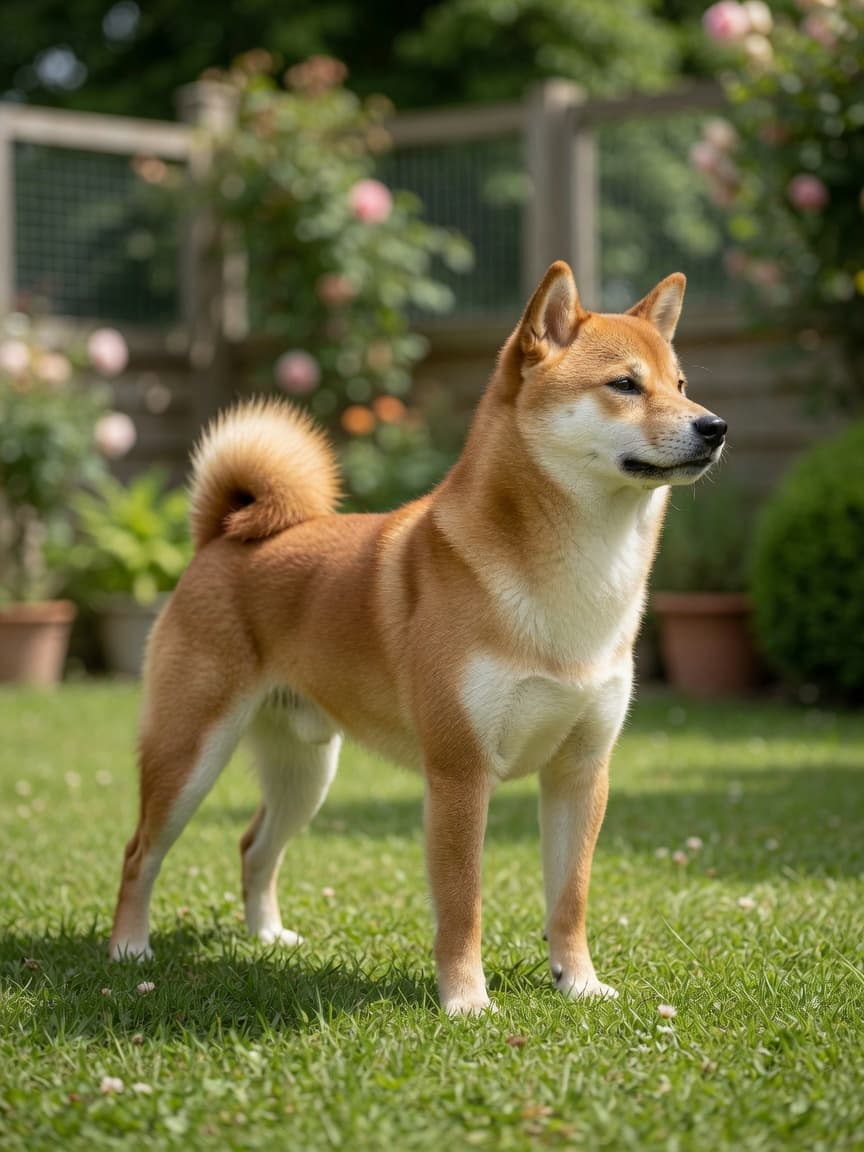
Lo Shiba Inu è una razza giapponese di piccola taglia e grande carattere, ideale per proprietari che apprezzano un compagno dall'indole indipendente e dai modi felini, più che un tipo da riporto desideroso di compiacere. Vigile, dignitoso e notoriamente meticoloso nella cura di sé, lo Shiba è leale con la propria famiglia, ma può mostrarsi distaccato con gli estranei e con gli altri cani. Dal punto di vista sanitario, la principale preoccupazione per questa razza è la predisposizione alle dermatiti allergiche e ad alcune patologie articolari e oculari: chi desidera adottarne uno deve quindi essere pronto a garantire cure attente per tutta la vita del cane, e non a un'esperienza "a bassa manutenzione" in tutti i sensi.
Panoramica sulla razza
- Taglia: piccola; in genere 33–41 cm al garrese, con un peso di circa 8–11 kg, con i maschi un po' più grandi delle femmine
- Longevità: comunemente riportata tra i 12 e i 16 anni, il che rende lo Shiba una delle razze pure più longeve
- Mantello: doppio, con pelo esterno dritto e ruvido e sottopelo morbido e denso; le colorazioni sono rosso, nero focato o sesamo, sempre con le caratteristiche marcature color crema "urajiro" sul muso, sul petto e sulla parte inferiore del corpo
- Origine: una delle razze autoctone più antiche del Giappone, sviluppata originariamente per la caccia alla piccola selvaggina in terreni montuosi, poi selezionata e preservata come cane da compagnia e da esposizione
Temperamento e inserimento in famiglia
Gli Shiba Inu vengono spesso descritti con il termine giapponese "Shiba-ryo", che rimanda a un insieme di caratteristiche quali audacia, vigilanza, buon carattere e una certa marcata indipendenza. Tendono a legarsi strettamente al proprio nucleo familiare, ma sono per natura riservati, a volte diffidenti, nei confronti di persone e animali sconosciuti. Non è una razza che cerca continue approvazioni: molti Shiba sono perfettamente appagati nell'intrattenersi da soli e possono essere affettuosi in modo selettivo, secondo i propri tempi.
Possono trovarsi bene in famiglie con bambini più grandi e rispettosi, capaci di comprendere i limiti, ma la loro scarsa tolleranza per i modi bruschi e la tendenza a reagire in modo difensivo se spaventati o messi alle strette li rendono in genere poco adatti a nuclei familiari con bambini molto piccoli. Una socializzazione precoce e accurata è importante, poiché gli Shiba possono essere inclini all'aggressività verso cani dello stesso sesso e avere un forte istinto predatorio nei confronti di piccoli animali, compresi gatti e rodenti, con cui non sono cresciuti.
Chi valuta l'adozione deve inoltre essere consapevole della fama di "artisti della fuga" di questa razza. Gli Shiba sono agili, astuti e famosi per sfilarsi il collare o scappare attraverso i varchi delle recinzioni: recinzioni sicure in giardino e un addestramento al richiamo affidabile (oppure l'uso del guinzaglio nelle aree non recintate) sono quindi indispensabili, non facoltativi.
Problemi di salute negli Shiba Inu
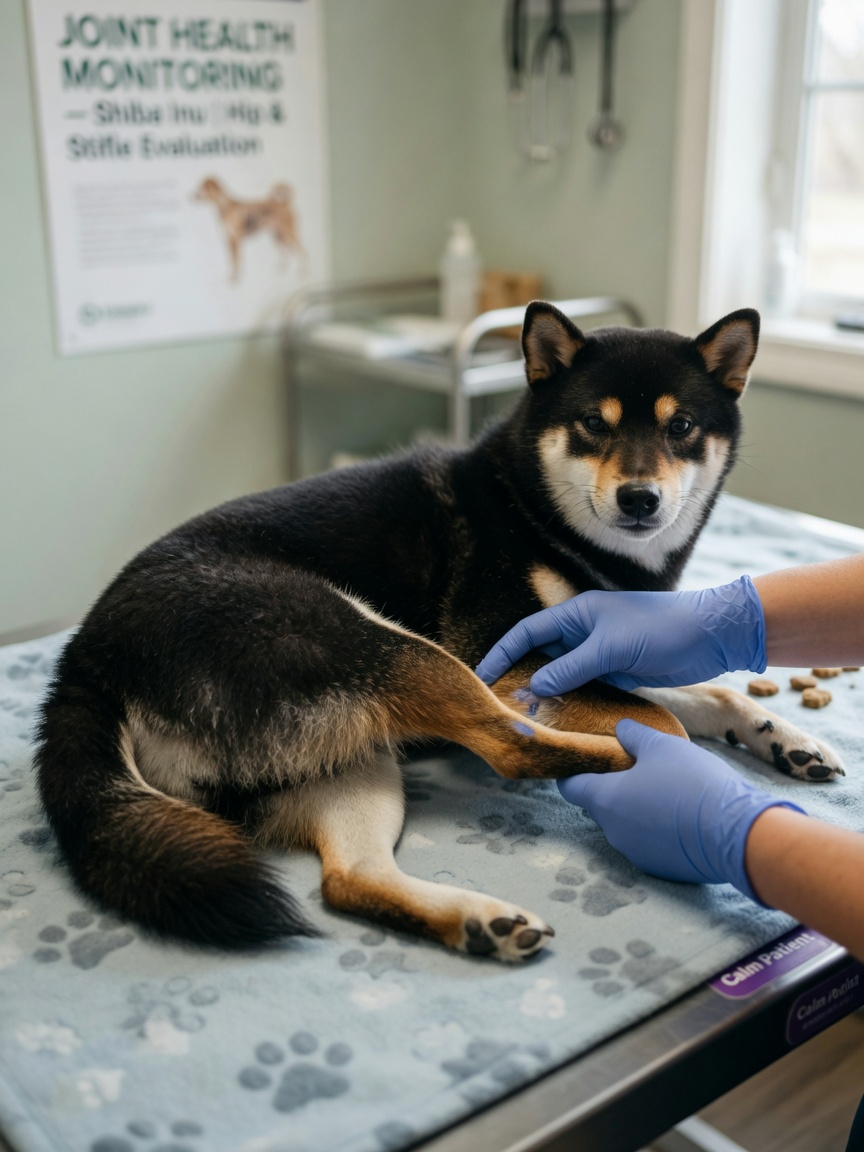
Gli Shiba Inu sono generalmente considerati una razza robusta rispetto a molti cani di razza pura, ma presentano diverse predisposizioni ben documentate che i proprietari dovrebbero conoscere e monitorare per tutta la vita del cane.
Dermatite allergica (atopia e allergie alimentari)
Lo Shiba è comunemente indicato tra le razze predisposte alle allergie ambientali e alimentari, che possono manifestarsi con prurito cutaneo, otiti ricorrenti, leccamento delle zampe o chiazze rosse e infiammate, in particolare intorno al muso, alle zampe e all'addome. I primi segni compaiono spesso in giovane età adulta e possono essere inizialmente stagionali, per poi diventare presenti tutto l'anno. I proprietari devono prestare attenzione a grattamento eccessivo, mordicchiamento delle zampe, scuotimento della testa o un persistente odore "di lievito" proveniente dalla pelle o dalle orecchie. La gestione prevede in genere l'individuazione e la riduzione dell'esposizione ai fattori scatenanti, quando possibile, l'uso di antiparassitari consigliati dal veterinario (poiché l'allergia alle pulci può complicare il quadro) e, in alcuni casi, una dieta a eliminazione condotta con attenzione. Per approfondire, la nostra guida alle allergie cutanee del cane illustra i fattori scatenanti più comuni e gli approcci gestionali, mentre la nostra guida agli alimenti ipoallergenici per cani spiega come le diete a proteine nuove o idrolizzate vengono impiegate nella diagnosi e nella gestione.
Lussazione della rotula
Si tratta di una condizione in cui la rotula fuoriesce dal proprio solco naturale ed è frequentemente segnalata nelle razze di piccola e media taglia, compreso lo Shiba Inu. I segni vanno da un occasionale saltello durante la corsa a una claudicazione più persistente o alla riluttanza a caricare il peso su una zampa posteriore. La gravità varia notevolmente: alcuni cani convivono senza problemi con una lussazione lieve e intermittente, mentre i gradi più severi possono infine richiedere una correzione chirurgica. È opportuno far valutare dal veterinario qualsiasi andatura con saltelli, poiché una lussazione della rotula non trattata può contribuire nel tempo a un'usura articolare secondaria.
Displasia dell'anca
Sebbene meno diffusa rispetto alle razze di taglia grande, la displasia dell'anca — una malformazione dell'articolazione coxofemorale che può portare a instabilità e, con il tempo, a osteoartrosi — è documentata negli Shiba Inu ed è uno dei motivi per cui gli allevatori responsabili sottopongono i riproduttori a screening. I primi segni possono essere sfumati: riluttanza a salire sui mobili, un'andatura "a saltelli di coniglio" o rigidità dopo il riposo che migliora con un movimento leggero. Con l'avanzare dell'età dei cani colpiti, il quadro può evolvere verso un'artrosi più evidente. Il nostro articolo sull'artrite nel cane illustra modalità pratiche per sostenere il benessere articolare quando gli animali invecchiano, tra cui il controllo del peso e opportuni adeguamenti dell'esercizio fisico.
Atrofia progressiva della retina e altre patologie oculari
L'atrofia progressiva della retina (PRA), una degenerazione graduale e in ultima analisi irreversibile della retina, è stata segnalata nella razza, insieme a casi occasionali di cataratta e glaucoma. La PRA si manifesta tipicamente all'inizio come cecità notturna — i cani diventano esitanti o maldestri in penombra — prima di progredire verso una perdita più completa della vista nell'arco di mesi o anni. Poiché i cani compensano molto bene affidandosi all'olfatto e alla memoria, a volte i proprietari non si accorgono dei cambiamenti finché la perdita della vista non è piuttosto avanzata. Controlli oculistici veterinari regolari, in particolare in presenza di una familiarità, possono aiutare a individuare precocemente le variazioni, anche se per la PRA in sé non esiste una cura.
Ipotiroidismo
La ridotta produzione di ormoni tiroidei è riportata negli Shiba come in molti cani di razza pura e può presentarsi con aumento di peso a fronte di un appetito normale, letargia, mantello opaco o diradato e maggiore predisposizione alle infezioni cutanee. Poiché questi segni si sovrappongono a quelli del normale invecchiamento o di altre patologie, la diagnosi si basa su esami del sangue e non sui soli sintomi. Una volta identificata, la condizione è in genere molto gestibile con una terapia orale quotidiana.
Glaucoma
Il glaucoma — un doloroso aumento della pressione all'interno dell'occhio — è documentato nella razza e può svilupparsi come condizione primaria o secondaria ad altre patologie oculari. Il glaucoma acuto è un'emergenza veterinaria; i segni comprendono un occhio improvvisamente rosso, opaco o dall'aspetto dolente, strizzamento delle palpebre o apparente disorientamento. Qualsiasi cambiamento improvviso nell'aspetto dell'occhio richiede una visita veterinaria in giornata, poiché un trattamento tardivo può causare una perdita permanente della vista.
Affollamento dentale e malattia periodontale
Come molte razze di piccola taglia, gli Shiba possono essere predisposti all'affollamento dentale, che se non gestito può accelerare l'accumulo di placca e la malattia periodontale. Alito cattivo, tartaro visibile o riluttanza a masticare cibo duro o giocattoli sono indicatori precoci. Controlli dentali di routine e una routine di igiene orale domiciliare proattiva possono ridurre in modo significativo il rischio di patologie dentali più gravi in età avanzata.
Alimentazione e gestione dei pasti
Gli Shiba Inu tendono ad avere un fabbisogno calorico modesto rispetto al loro aspetto vigile ed energico, e molti sono inclini al sovrappeso se alimentati generosamente "a occhio" anziché con una porzione misurata e adeguata a taglia, età e livello di attività. Data la tendenza della razza alle sensibilità cutanee, alcuni proprietari riscontrano che una dieta costante e di alta qualità, con pochi cambi di ingredienti, aiuta a ridurre le riacutizzazioni digestive e cutanee; tuttavia, qualsiasi sospetta allergia alimentare va affrontata in modo metodico con la guida del veterinario, e non cambiando ripetutamente alimento. I cuccioli traggono beneficio da una dieta formulata per la loro fase di vita e per la taglia adulta prevista; la nostra guida alle fasi di crescita del cucciolo spiega come cambiano le esigenze nutrizionali nel corso del primo anno. Alcuni proprietari valutano anche i probiotici per cani come misura di supporto per la salute digestiva e cutanea, ma questi dovrebbero integrare e non sostituire i consigli veterinari di base. Quando gli Shiba entrano nella terza età, adeguare le porzioni e considerare un'alimentazione di supporto per le articolazioni diventa sempre più rilevante; la nostra guida agli alimenti per cani anziani offre ulteriori dettagli su questa transizione.
Toelettatura e cure
Il doppio mantello dello Shiba perde pelo in misura moderata tutto l'anno, con una marcata muta stagionale del sottopelo, in genere due volte l'anno, durante la quale la perdita di pelo aumenta considerevolmente per diverse settimane. Una spazzolatura regolare — più volte a settimana e ogni giorno nei periodi di muta intensa — aiuta a gestire il pelo morto e a mantenere mantello e pelle in buone condizioni. Nonostante l'abbondante perdita di pelo, gli Shiba sono cani naturalmente puliti, spesso paragonati ai gatti per le loro abitudini di autopulizia, e in genere necessitano di bagni poco frequenti; lavarli troppo spesso può infatti alterare gli oli naturali della pelle e peggiorare secchezza o irritazione nei cani già predisposti alle allergie.
Le cure di routine dovrebbero includere anche il taglio regolare delle unghie, poiché unghie troppo lunghe possono alterare l'andatura e contribuire al sovraccarico articolare, oltre al controllo delle orecchie, data la predisposizione della razza ai problemi cutanei e auricolari, e una costante routine di igiene dentale sin da cucciolo.
Esigenze di esercizio e addestramento
Gli Shiba sono cani moderatamente attivi che traggono beneficio da passeggiate quotidiane e da occasioni per esplorare e usare il loro ottimo olfatto, ma in genere non hanno l'energia inesauribile di alcune razze da lavoro. Detto questo, noia e scarsa stimolazione possono tradursi rapidamente in comportamenti distruttivi o tentativi di fuga, per cui l'arricchimento mentale — giochi di attivazione mentale, giochi olfattivi e percorsi di passeggiata variati — è tanto importante quanto l'esercizio fisico.
Addestrare uno Shiba Inu richiede pazienza e coerenza, non forza. La loro vena indipendente fa sì che molti rispondano male ai metodi coercitivi basati sulla correzione, mentre danno risultati molto migliori con un addestramento basato sul rinforzo positivo, sessioni brevi e coinvolgenti e aspettative realistiche sul richiamo, dato il forte istinto predatorio e la tendenza a scappare. Una socializzazione precoce con un'ampia varietà di persone, animali e ambienti durante l'età del cucciolo è uno degli investimenti più preziosi che un proprietario possa fare per crescere uno Shiba adulto sicuro di sé ed equilibrato.
Domande frequenti
Gli Shiba Inu vanno d'accordo con i bambini?
Gli Shiba possono trovarsi bene in famiglie con bambini abbastanza grandi da capire come interagire con rispetto con un cane, evitando giochi troppo bruschi, di tirargli la coda o di metterlo alle strette. Poiché gli Shiba hanno una tolleranza relativamente bassa nei confronti di spaventi o manipolazioni scorrette e possono reagire in modo difensivo, sono in genere più adatti a famiglie con bambini più grandi e tranquilli che a quelle con bambini molto piccoli, e le interazioni devono sempre essere supervisionate.
Perché gli Shiba Inu sono considerati difficili da addestrare?
Gli Shiba Inu sono intelligenti ma dall'indole indipendente: spesso mettono in dubbio l'utilità di comandi ripetitivi, invece di obbedire semplicemente per compiacere il proprietario. Non si tratta di una carenza di intelligenza — al contrario — ma significa che l'addestramento tende a dare risultati migliori con metodi coinvolgenti basati sul rinforzo positivo, pazienza e coerenza, piuttosto che con approcci fondati sulla ripetizione o su correzioni basate sulla dominanza.
Gli Shiba Inu hanno molti problemi di salute?
Rispetto a molti cani di razza pura, gli Shiba sono generalmente considerati una razza piuttosto resistente, con un'aspettativa di vita comparativamente lunga. Tuttavia, presentano diverse predisposizioni documentate che vale la pena conoscere, in particolare la dermatite allergica, alcune patologie articolari come la lussazione della rotula e specifiche patologie oculari come l'atrofia progressiva della retina. Controlli veterinari regolari e un'attenta osservazione a casa aiutano molto a individuare precocemente eventuali problemi.
Quanta toelettatura richiede realmente uno Shiba Inu?
Gli Shiba richiedono relativamente poche cure per quanto riguarda il bagno, grazie alle loro abitudini naturalmente pulite, ma il loro spesso doppio mantello perde molto pelo, soprattutto durante i cambi stagionali. La spazzolatura regolare — idealmente più volte a settimana tutto l'anno e ogni giorno nei periodi di muta intensa — è l'impegno principale in termini di toelettatura, insieme alla cura di routine di unghie, orecchie e denti.
Questa guida ha finalità puramente informative generali e non sostituisce un parere veterinario personalizzato. Consultare sempre un veterinario qualificato in caso di dubbi sulla salute o prima di apportare modifiche all'alimentazione, all'esercizio fisico o alla routine di cura del proprio cane.